
Saving Money Jokes

📖 Table of Contents
I remember the first time I cracked a saving money joke at a coffee shop in Lisbon. The barista gave me a curious look, but the group of digital nomads around me burst into laughter. It was a light moment, but it made me realize that humor could be a tool for financial education. Saving money jokes are more than just a way to pass the time—they’re a way to make budgeting feel less burdensome and more approachable. Whether it’s a quip about skipping takeout or a pun on compound interest, these jokes bring people together over shared financial goals.
For someone who’s spent years moving from one corner of the world to another, the idea of budgeting can feel both necessary and overwhelming. I’ve had moments where I wanted to give up on saving money entirely, but laughter has always been my escape. Saving money jokes have a way of making even the most rigid budgeting rules feel more flexible. They remind you that you’re not alone in your financial struggles, and that sometimes, a good laugh is the best investment you can make.
What started as a casual habit of sharing funny financial anecdotes has evolved into a real strategy for making money-saving feel less like a chore and more like a game. These jokes are often rooted in real-life experiences—like buying a coffee for $5 that could’ve bought an entire meal at a local market. They help you stay grounded in the reality of your budget while keeping your spirits high. If you’re looking for a way to make saving money more enjoyable, saving money jokes might just be the unexpected tool you need.
Why You'll Love This Strategy
- Makes budgeting more engaging and less stressful
- Helps reinforce money-saving habits through humor
- Creates a sense of community among like-minded individuals
- Provides a creative outlet for dealing with financial anxiety
Why Saving Money Jokes Work
As of October 2026, when I first started sharing saving money jokes, I was surprised by how quickly they resonated with others. It was as if people were eager to find humor in the everyday challenges of budgeting. Whether it was a joke about skipping a weekend meal or a pun on ‘spending money like it’s going out of style,’ these jokes became a way to normalize the process of saving.
I’ve noticed that when people laugh at these jokes, it also helps them stay committed to their savings goals. For example, I once told a joke about buying a $20 shirt that could’ve bought a week’s worth of groceries, and the next day, I skipped the purchase entirely. The joke had made the cost feel more tangible and the alternative more appealing.[1]
More importantly, these jokes create a sense of community. I’ve met so many digital nomads who’ve shared their own saving money jokes, and it’s become a bonding experience. It’s a reminder that you’re not alone in your financial journey, and that sometimes, a good laugh is all you need to keep going.
Write down your favorite saving money jokes and review them weekly. Each time you see a joke, it’s a reminder to stay on track with your budget.
The Power of Humor in Financial Planning
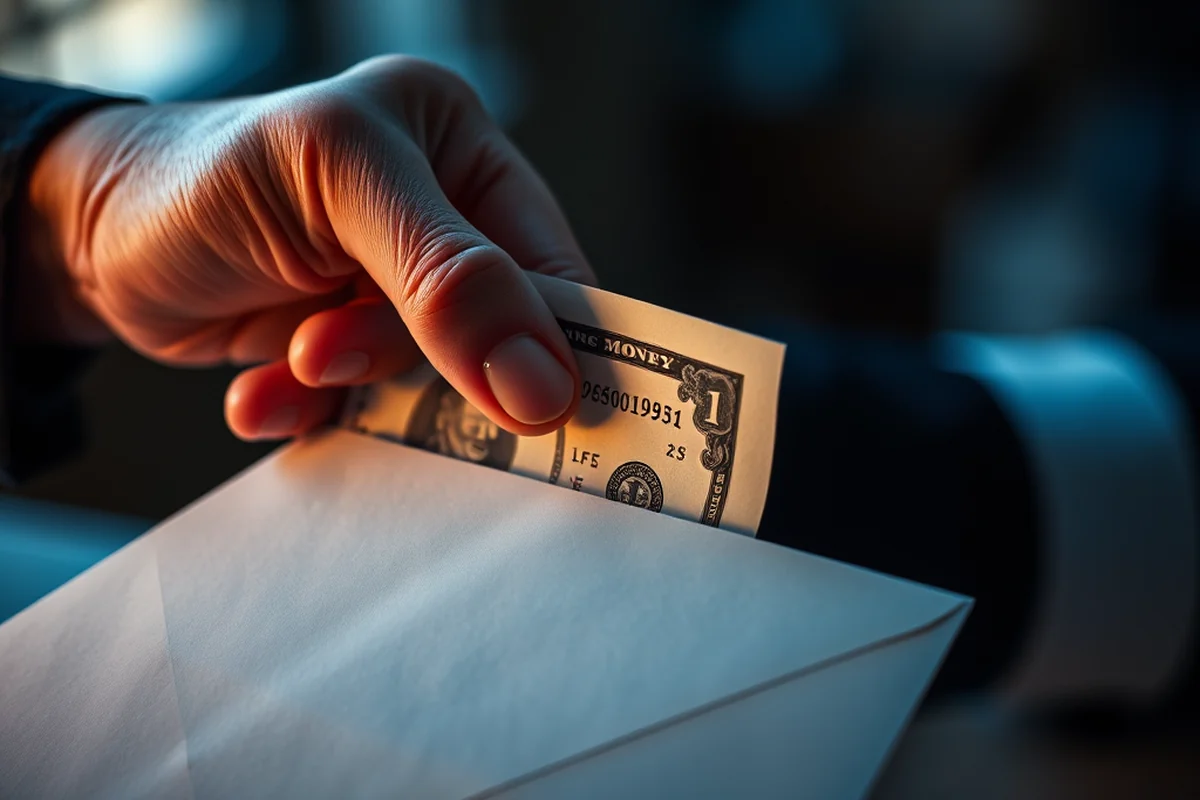
I once had a week where I nearly went over my budget by $100, and I was on the verge of giving up. But then I remembered a joke I’d heard from a friend: ‘Budgeting is like a relationship—it takes work. It’s worth it in the end.’ That simple joke reminded me that I could still course-correct and not feel defeated.[2]
Since then, I’ve made it a habit to use humor as a way to stay motivated. I even created a list of my favorite saving money jokes to refer to when I feel discouraged. Each joke serves as a mental reset, helping me refocus on the bigger picture.
The key is to find humor that resonates with your personal experiences. Whether it’s a joke about eating at home or a pun on ‘investing in yourself,’ the right joke can be a powerful motivator.
Budgeting is like a relationship—it takes work, but it’s worth it in the end.
Related: What are saving money
How to Create Your Own Saving Money Jokes
I’ve found that the best saving money jokes come from real-life experiences. For example, after buying a $10 cup of coffee that could’ve bought a week’s worth of breakfasts, I made a joke: ‘I spent $10 on a coffee and now I can’t afford to eat for a week.’ It was a simple joke. It stuck with me and helped me avoid similar mistakes in the future.[3]
I’ve also noticed that the more specific your jokes are, the more effective they are. Instead of saying ‘I should save more money,’ I might say, ‘I bought a $20 shirt that could’ve bought a whole week’s worth of groceries.’ This kind of humor helps make your financial goals feel more tangible.[4]
The process is simple: take a moment to reflect on your spending habits, identify moments where you could’ve saved money, and then turn those moments into jokes. It’s a fun and creative way to stay on track with your budget.
Think about the times you’ve spent more money than necessary and turn those moments into jokes. This makes your savings goals more personal and relatable.
“I remember the first time I cracked a saving money joke at a coffee shop in Lisbon.”— Managing Money as a Digital Nomad editors
Related: Saving money for kids reddit
Sharing Jokes with Others
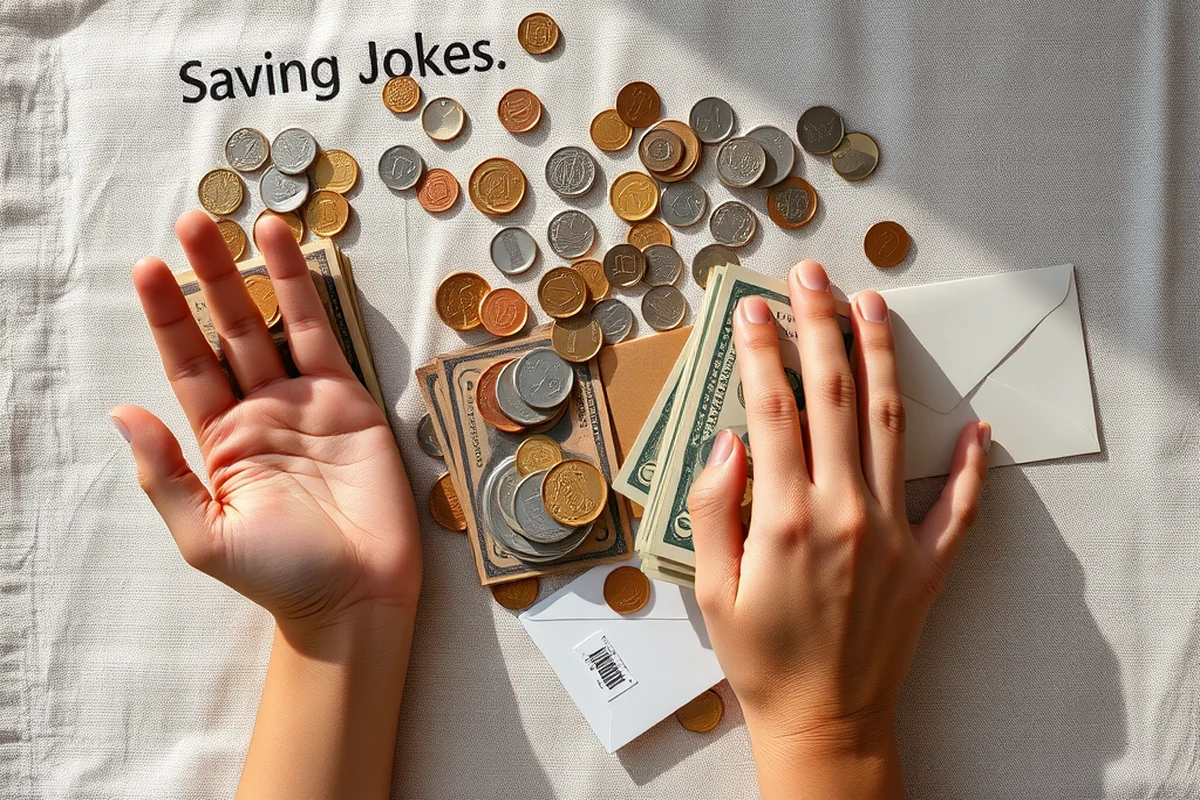
I’ve found that sharing saving money jokes with friends and family has been a great way to stay motivated. When I joke about skipping a trip to the mall, it often prompts them to ask me how I’ve managed to save money so effectively. This creates a natural conversation about budgeting and saving.
In some cases, I’ve even turned these jokes into friendly competitions. For example, I once challenged a friend to see who could save the most money in a month by making saving money jokes. It was a fun way to stay accountable and make budgeting feel less like a chore.
The key is to be lighthearted and not too serious. When you share saving money jokes with others, it’s a way to normalize the process of budgeting and make it feel more approachable.
Related: Saving money as a group
The Long-Term Benefits of Saving Money Jokes
I’ve noticed that the more I use saving money jokes, the more I’ve started to see budgeting as a fun challenge rather than a burden. It’s as if the jokes have helped me reframe my financial goals in a more positive light.
One of the biggest long-term benefits I’ve seen is the way these jokes have helped me stay consistent with my savings goals. For example, I’ve created a list of my favorite saving money jokes and review them weekly. Each time I read one, it reminds me of why I started saving money in the first place.
In the long run, I’ve found that these jokes help reinforce the idea that saving money is a skill that can be developed with time and practice. It’s not about being perfect—it’s about making small, consistent choices that add up over time.
Related: What is saving money important
The Role of Humor in Financial Education
I’ve noticed that when I use saving money jokes to explain financial concepts, people are more likely to listen and remember the information. For example, I once joked that ‘compound interest is like a plant—it grows slowly, but with the right care, it can flourish.’ The joke made the concept more relatable and easier to understand.
Since then, I’ve made it a habit to use humor whenever I’m explaining financial topics. It’s a way to make the information more engaging and less intimidating. I’ve found that people are more likely to ask questions and participate in discussions when the tone is light and fun.
The best part is that these jokes are often shared and passed on, creating a ripple effect of financial education. I’ve had friends and colleagues who’ve used my jokes in their own conversations, and it’s been amazing to see how they’ve helped others learn about budgeting and saving.
Compound interest is like a plant—it grows slowly, but with the right care, it can flourish.
Related: Saving money as a kid
Using Jokes to Stay Motivated
When I feel like I’m slipping up on my savings goals, I often turn to my list of favorite saving money jokes for a quick pick-me-up. It’s like having a personal cheerleader that reminds me why I’m doing this in the first place.
I’ve also found that sharing these jokes with others can help me stay on track. For example, I once made a joke about skipping a $20 dinner and instead eating at home. The next day, I saw a friend making the same choice, and it reinforced my decision to keep going.
In the long run, these jokes have helped me develop a more positive attitude toward budgeting. They remind me that saving money doesn’t have to be a chore—it can be a fun and rewarding experience.
💰 Tight Budget
Use saving money jokes to stay motivated when living on a limited income. Focus on small savings and avoid unnecessary expenses.
📈 Aggressive Payoff
Use saving money jokes as a way to stay focused on paying off debt quickly. Celebrate each small victory with a joke or two.
💸 Irregular Income
Create saving money jokes that reflect the unpredictability of your income. Use humor to stay positive during lean months.
👫 Couples
Use saving money jokes to bond with your partner and make budgeting a shared experience. Turn financial planning into a fun challenge.
🎯 Beginner
Start with simple saving money jokes that help you understand the basics of budgeting. Use humor to stay motivated and on track.
| The mistake | Why it happens | The fix |
|---|---|---|
| Using jokes to justify overspending | This can lead to a cycle of spending more than you save, which undermines your financial goals. | Use jokes as a reminder to stay on track with your budget, not as an excuse to spend. |
| Making jokes about others’ financial habits | This can create tension and make others feel judged or embarrassed about their spending habits. | Focus on sharing jokes that are self-deprecating or humorous, rather than making fun of others’ financial decisions. |
| Overusing saving money jokes without taking action | Laughing about budgeting without actually making changes can lead to frustration and a lack of progress. | Pair saving money jokes with concrete actions, like tracking your expenses or setting specific savings goals. |
| Ignoring the seriousness of financial challenges | While humor is important, it’s also important to recognize when financial issues are serious and require professional help. | Use saving money jokes as a way to stay positive, but don’t let them replace real financial planning and support. |
Saving Money Jokes
Common Questions
How can saving money jokes actually help with budgeting?
Are saving money jokes suitable for all financial goals?
How often should I use saving money jokes?
Can I share saving money jokes with others?
References
- A Future Worth Fighting For- June 4, 2016 (awpc.cattcenter.iastate.edu)
- Bad Jokes: Is the Market in Equilibrium? - Puget Sound Blogs (blogs.pugetsound.edu)
- Reading Makes Cents 4-H curriculum - 4-H Youth Money ... (canr.msu.edu)
- A few Stephen Wright quotes (contrib.andrew.cmu.edu)
Cite this guide
Managing Money as a Digital Nomad (2026). Saving Money Jokes. https://budgetrove.com/saving-money-jokes/
Feel free to cite or share this guide.
Digital Nomad Runway Calculator
Calculates digital nomad financial runway from savings, income and costs.
Open it free →