
What To Do While Saving Money

📖 Table of Contents
- Create a Monthly Budget That Works for You
- Automate Your Savings to Avoid the Temptation of Spending
- Find Free or Low-Cost Alternatives to Expensive Habits
- Invest in Skills That Increase Your Earning Potential
- Build an Emergency Fund to Avoid Debt
- Track Your Spending with Real-Time Tools
- Set Clear Financial Goals to Stay Motivated
- Make It Your Way
- Frequently Asked Questions
I remember the first time I had to make a real effort to save money — I was living in a tiny apartment in Lisbon, trying to balance my freelance income with the constant need to eat, travel. Pay rent. It wasn’t easy. The idea of ‘what to do while saving money’ felt vague, like a puzzle without pieces. But over time, I discovered that saving money isn’t about deprivation — it’s about intentionality. It’s about choosing where to spend your time, energy, and resources wisely.
One of the most valuable lessons I learned was that saving money doesn’t mean you have to stop living. In fact, it can make your life richer in unexpected ways. Whether it’s investing in a skill, building a financial cushion, or even learning to cook on a budget, every dollar saved is an opportunity to grow, explore, and prepare for the future. What to do while saving money isn’t a question of sacrifice — it’s a question of strategy.
I’ve since turned this experience into a way to help others, and it’s become a central part of my work as a digital nomad. I’ve tried nearly every method there is, from cutting subscriptions to tracking my spending in real-time. The key, I’ve found, is to treat saving as a process — not a destination. What to do while saving money becomes clearer when you’re not just thinking about saving, but also about how to live in a way that supports that goal.
Why You'll Love This Approach to Saving
- You’ll build a sustainable savings habit that doesn’t feel like a burden.
- You’ll learn to spend less on things that don’t add long-term value.
- You’ll discover new skills and hobbies that enhance your life without costing a fortune.
- You’ll find more time and energy for what matters by minimizing financial stress.
Create a Monthly Budget That Works for You
As of November 2026, I used to track my spending with an app called YNAB, which stands for You Need A Budget. It forced me to assign every dollar a purpose — whether it was for rent, groceries, or savings. After a few months, I realized that I was spending far more on takeout than I thought. By shifting to cooking at home, I saved over $300 a month.[1]
The process of budgeting isn’t just about cutting costs — it’s about aligning your spending with your goals. If I wanted to save for a trip, I’d set aside money each month for that. It made the savings feel intentional, not arbitrary.
Start by listing your income and expenses. Then, assign categories like ‘groceries,’ ‘entertainment,’ and ‘savings’ a specific percentage of your income. Over time, you’ll see patterns that help you adjust and save more effectively.
Apps like YNAB, Mint, or PocketGuard can help you track spending and set financial goals. They make it easy to see where your money is going and how to adjust.
Automate Your Savings to Avoid the Temptation of Spending
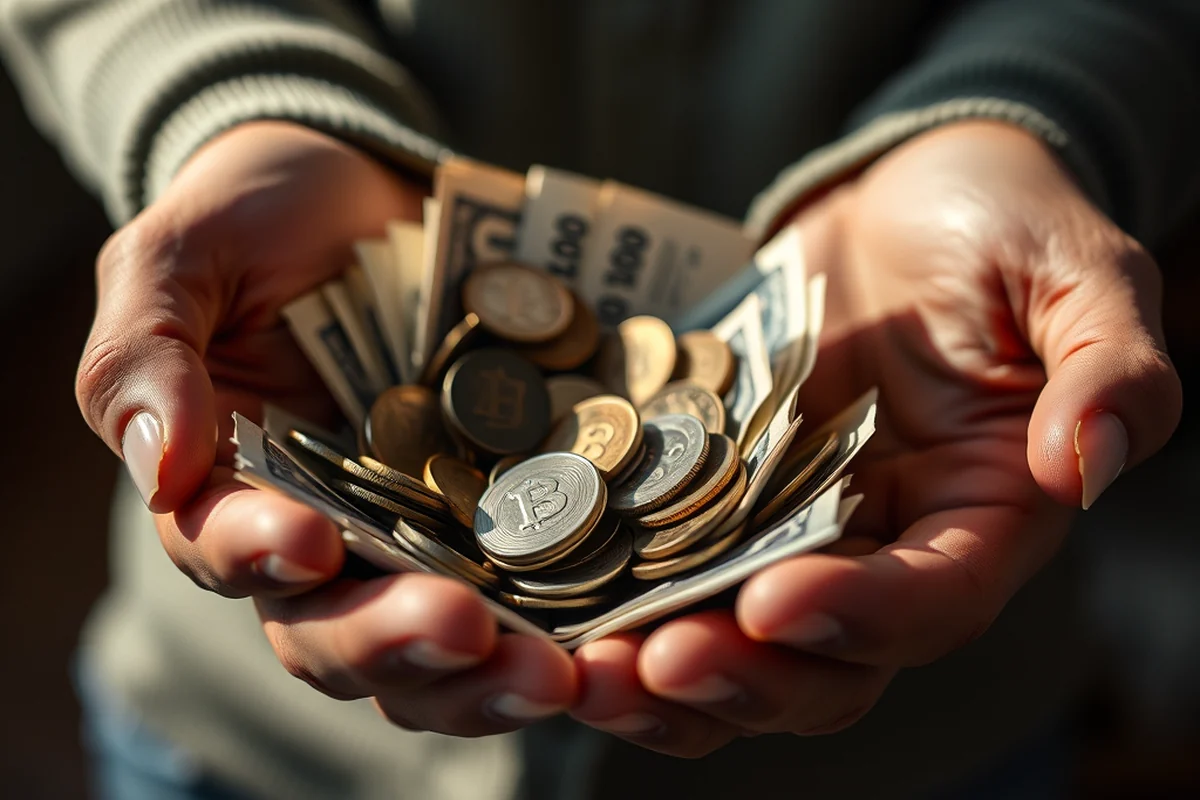
I set up automatic transfers to my savings account the moment I received a paycheck. It felt like a small sacrifice at first, but over time, it became second nature. By the end of the year, I had saved over $6,000 without even thinking about it.[2]
Automation is a powerful tool because it removes the decision-making from the equation. Once the money is out of your checking account, it’s less likely to be spent on impulse purchases.
You can start small — even $50 a month can add up to a significant amount over time. The key is consistency. Once you’re in the habit, you’ll rarely miss the money because it’s already accounted for.[3]
Automate your savings — it’s the easiest way to make saving a habit.
Related: Managing personal budget
Find Free or Low-Cost Alternatives to Expensive Habits
I used to spend $50 a month on gym memberships, but after switching to free walking workouts and local meetups, I saved over $600 a year. I also started using free online courses instead of paying for in-person classes — it saved me thousands of dollars in the long run. ($180, nerdwallet.com)[4]
The key is to identify the habits that cost you the most and find alternatives that don’t compromise your quality of life. For example, instead of dining out every night, I started preparing meals at home and even made it a fun activity with friends.
Look for free resources, discounts, and community events that provide the same value but at a lower cost. It’s about being creative and resourceful with your time and money.
Explore free apps, online courses, and community events that provide the same value as paid options. It’s a simple way to save without sacrificing your lifestyle.
“I remember the first time I had to make a real effort to save money — I was living in a tiny apartment in Lisbon…”— Managing Money as a Digital Nomad editors
Related: Saving money cost of living
Invest in Skills That Increase Your Earning Potential

I took a few online courses on digital marketing and content creation. Within a year, I was able to double my income by offering freelance services. The cost of the courses was less than the extra income I earned — and it gave me a sense of accomplishment.
Investing in your skills doesn’t just save money — it can also free you from the need to work so hard for so little. It’s an investment in your future that pays dividends over time.
Look for free or low-cost courses that align with your goals. Platforms like Coursera, Udemy, and Skillshare have options that can help you grow your income without breaking the bank.
Related: Saving money with kids
Build an Emergency Fund to Avoid Debt
I started my emergency fund by saving $500 in my first month. It didn’t seem like much, but over time, it grew into a $2,000 cushion. When my laptop broke a few months later, I was able to cover the repair without dipping into my savings or going into debt.
An emergency fund is one of the most important parts of any savings plan. It protects you from unexpected expenses and prevents you from having to take on high-interest debt.
Start by setting a goal, like saving $1,000 or $2,000. Once you have that base, continue adding to it each month. It’s a small investment that can provide peace of mind and financial stability.
Related: Saving money with
Track Your Spending with Real-Time Tools
I used to track my expenses manually, which was time-consuming and prone to errors. After switching to a real-time tracking app, I was able to see exactly where I was spending money each day — and it was eye-opening.
Real-time tracking helps you identify areas where you can cut back and redirect your money toward savings. It also makes it easier to stay accountable to your financial goals.
Look for apps that track your spending as it happens, like Mint or Personal Capital. They can help you stay on top of your finances without requiring constant effort.
Track your spending in real time — it’s the best way to stay in control of your money.
Related: Saving money for kids future
Set Clear Financial Goals to Stay Motivated
I set a goal to save $10,000 before my next big trip. I tracked my progress each month and celebrated small milestones along the way. It kept me motivated and helped me stay on track.
Setting clear, measurable goals gives you something to work toward. It also makes saving feel more tangible and rewarding.
Choose a goal that’s meaningful to you — whether it’s saving for a vacation, a new business venture, or a financial cushion. The more specific your goal, the easier it will be to stay focused.
💸 Tight Budget Plan
Ideal for those with limited income. Focus on cutting non-essentials, using free resources, and prioritizing needs over wants.
🚀 Aggressive Payoff Plan
For those who want to save aggressively. Allocate a high percentage of income to savings, automate transfers, and avoid debt at all costs.
📊 Irregular Income Plan
Perfect for freelancers or gig workers. Save during high-income months, build a buffer, and use tools to track fluctuations in income.
💍 Couples Saving Plan
Designed for couples. Combine incomes, set joint goals, and divide responsibilities to save more efficiently.
🎓 Beginner’s Plan
Great for those new to saving. Start small, track spending, and build the habit gradually with simple tools.
| The mistake | Why it happens | The fix |
|---|---|---|
| Trying to save too much too quickly | This can lead to burnout and financial stress, making it harder to maintain the habit long-term. | Start small and gradually increase your savings as your income and budget allow. |
| Ignoring the power of compound interest | Not investing even small amounts regularly can cost you money in the long run. | Start investing as early as possible, even if it’s a small amount. Time is your greatest ally when it comes to savings. |
| Not having an emergency fund | This can put you at risk of going into debt during unexpected expenses. | Save at least $1,000 in an emergency fund to provide a financial cushion. |
| Not tracking spending consistently | It’s easy to lose track of where your money is going, leading to overspending and poor savings habits. | Use a budgeting app or manual tracking to monitor your spending regularly. |
What To Do While Saving Money
Common Questions
How can I stay motivated to save money when I have so many expenses?
What if I can’t save a large amount every month?
How do I know where to start when saving money?
Can I save money without cutting back on things I enjoy?
References
- HS.PFE.C - Budgeting, Spending and Money Management (oregon.gov)
- Thinking About Moving to Another Bank? | FDIC.gov (fdic.gov)
- An essential guide to building an emergency fund (consumerfinance.gov)
- 28 Proven Ways to Save Money - NerdWallet (nerdwallet.com)
Cite this guide
Managing Money as a Digital Nomad (2026). What To Do While Saving Money. https://budgetrove.com/what-to-do-while-saving-money/
Feel free to cite or share this guide.
Digital Nomad Runway Calculator
Calculates digital nomad financial runway from savings, income and costs.
Open it free →