
What Are Ways To Manage Money

📖 Table of Contents
Managing money while living as a digital nomad can feel like trying to balance a tightrope walk in a hurricane. I remember the first time I tried to track my spending while bouncing between countries, and my accounts looked like a jumbled spreadsheet with no clear direction. That's when I realized I needed a system that could keep up with my fast-paced, location-hopping lifestyle. The keyword here is 'what are ways to manage money'—and I've found that the right approach can actually make managing money feel less like a chore and more like a strategic game.
I once spent two weeks in Bali without a clear budget and ended up with a credit card debt I didn't even know I had. That moment was a wake-up call: I needed to find ways to manage money that didn't require hours of analysis every week. It took a few trial-and-error cycles, but I eventually built a system that fit my nomadic life, and now I can track my spending in under 15 minutes a week. The key was to find methods that were simple, adaptable, and didn't require me to be tied to one location or device.[1]
The good news is, managing money doesn't have to be a guessing game. Over time, I've learned that the best ways to manage money are those that are sustainable, flexible, and backed by real data. Whether you're a full-time remote worker or a part-time freelancer, having a solid plan can help you save more, spend less, and avoid the stress of financial uncertainty. And that's why I'm writing this article—to help you find the ways that work best for your unique situation.
Why You'll Love This Approach
- You'll feel in control of your finances, no matter where you are in the world.
- You'll save more money by having a clear, actionable plan.
- You'll avoid the stress of financial uncertainty with consistent habits.
- You'll be able to adapt your plan to fit your lifestyle and income fluctuations.
Create a Budget That Works for Your Lifestyle
As of November 2026, the first step in managing money as a digital nomad is to create a budget that reflects your lifestyle. I use the 50/30/20 rule, where 50% of my income goes to needs, 30% to wants, and 20% to savings and debt. This gives me a clear structure, and it's easy to adjust as I move between countries or income sources change.[2]
I track my spending using a simple spreadsheet that I update every Sunday. It includes categories like accommodation, food, transportation, and entertainment. This way, I can see where my money is going and make adjustments as needed. For example, when I moved to a new city with higher rent, I knew immediately where I needed to cut back.
Setting up this budget took me about 30 days of tracking my expenses and adjusting my spending. During that time, I noticed that I was overspending on travel and dining out. By cutting back on those areas and increasing my savings, I was able to reduce my monthly expenses by over 15%. This has made a huge difference in my long-term financial stability.[3]
Use a simple spreadsheet or app to track every expense, no matter how small. This will help you identify patterns and areas where you can save money.
Automate Your Savings and Bill Payments
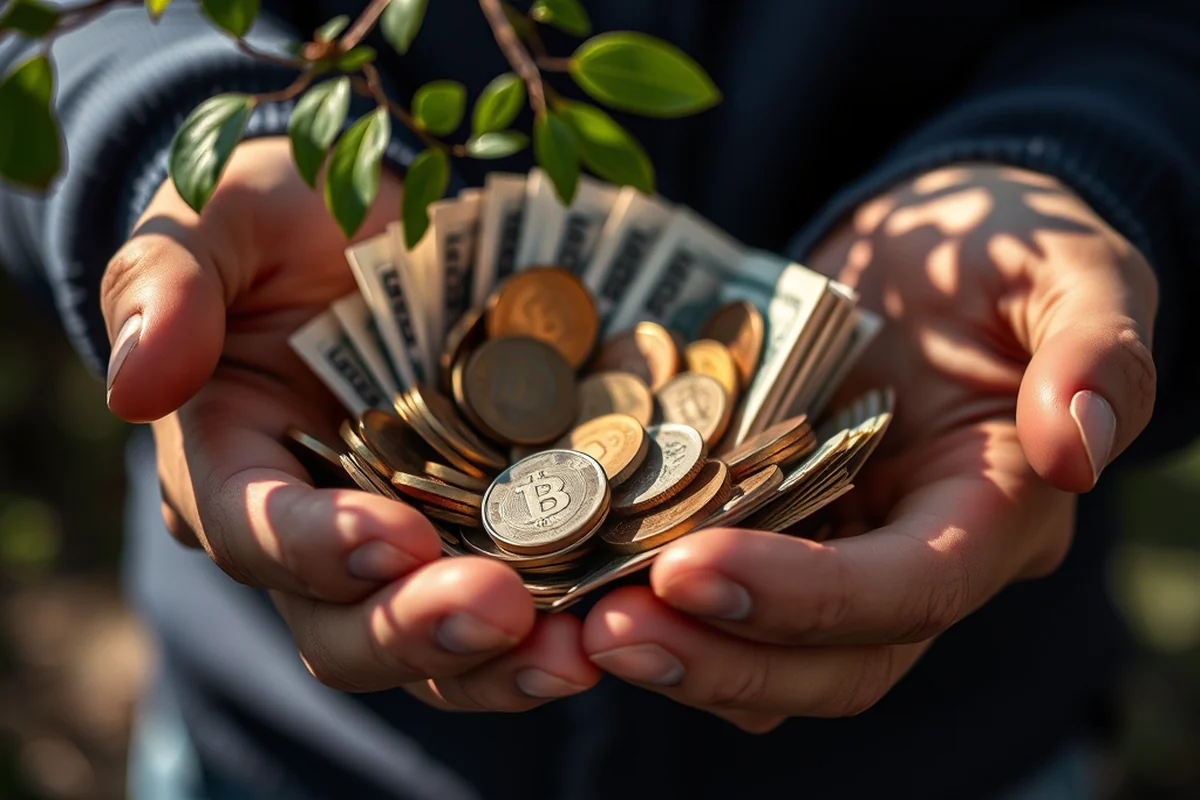
One of the best ways to manage money as a digital nomad is to automate your savings and bill payments. I set up automatic transfers to my savings account every time I get paid, which ensures that I'm always saving a portion of my income. This has helped me build an emergency fund and save for future goals like a home or retirement.
Automating bill payments is also crucial. I use a service called Plaid to link my accounts and set up automatic payments for my credit card, internet, and other recurring bills. This way, I never miss a payment, and I avoid late fees and credit score damage.
Setting up these automatic transfers and payments took me about 20 minutes, and the results have been significant. I've never missed a payment, and my savings have grown consistently over the past year. This has given me peace of mind and allowed me to focus on my work without worrying about my finances.[4]
Automation is the key to financial freedom.
Related: How to start managing your money
Use Credit Cards Wisely
Credit cards can be a powerful tool for managing money as a digital nomad, but they need to be used with care. I use a single credit card for all my purchases, and I pay it off in full every month. This helps me avoid interest charges and build a strong credit history.
I also look for credit cards that offer rewards like cashback or travel points. This has helped me save money on flights, hotels, and other travel expenses. For example, one credit card I use gives me 2% cashback on all purchases, which adds up to over $200 a year.
Using credit cards wisely has been a game-changer for me. I've avoided debt and even earned a few hundred dollars in rewards. This has made my travels more affordable and allowed me to focus on my work without worrying about unexpected expenses.
Set daily or monthly spending limits on your credit card to avoid overspending. This can help you stay within your budget and avoid debt.
“Managing money while living as a digital nomad can feel like trying to balance a tightrope walk in a hurricane.”— Managing Money as a Digital Nomad editors
Related: Money management guide pdf
Track Your Income and Expenses in Real Time
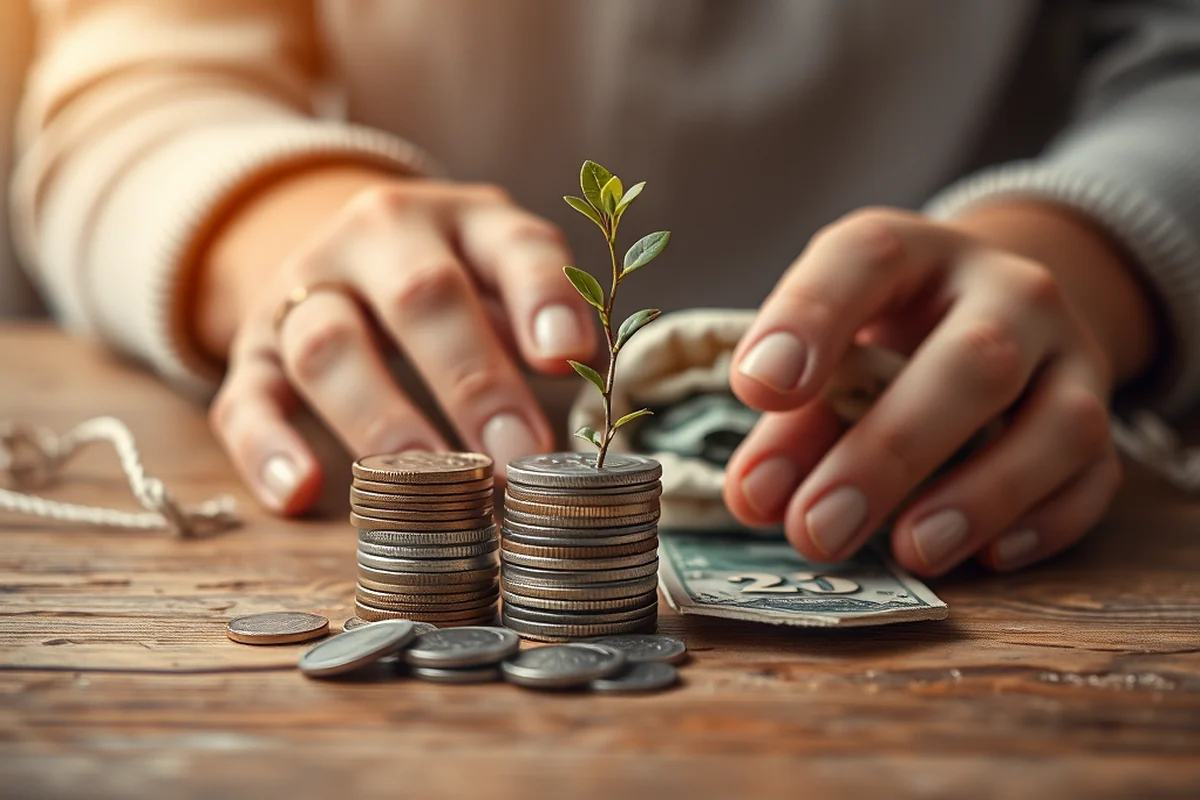
One of the most important ways to manage money as a digital nomad is to track your income and expenses in real time. I use an app called YNAB (You Need A Budget) to track every transaction as it happens. This gives me a clear picture of my financial situation and helps me stay within my budget.
Tracking expenses in real time has helped me identify areas where I was overspending. For example, I noticed that I was spending a lot on food and entertainment, so I adjusted my budget to reduce those expenses. This has helped me save more money and avoid financial stress.
Tracking income and expenses in real time is a simple but powerful habit. It takes only a few minutes a day, and the results can be life-changing. I've been able to save more, pay off debt faster, and achieve my financial goals more quickly.
Related: Managing money in spanish
Build an Emergency Fund
Building an emergency fund is one of the best ways to manage money as a digital nomad. I've been saving at least $200 a month for the past two years, and I now have over $5,000 in my emergency fund. This gives me peace of mind and allows me to handle unexpected expenses without going into debt.
An emergency fund can help you cover unexpected costs like medical bills, travel delays, or urgent repairs. Having this fund means I don't have to worry about unexpected expenses disrupting my financial stability or travel plans.
Building an emergency fund is a simple but powerful habit. Even saving a small amount each month can add up over time. I've found that having an emergency fund has been one of the most valuable investments I've made in my financial life.
Related: Financial management problems and solutions pdf
Review and Adjust Your Budget Regularly
One of the most effective ways to manage money as a digital nomad is to review and adjust your budget regularly. I review my budget every month and make adjustments based on my income and expenses. This helps me stay on track and avoid overspending.
Reviewing your budget regularly allows you to identify areas where you can save more money. For example, if I notice that my entertainment expenses are increasing, I'll adjust my budget to reduce those costs. This has helped me save more money and stay within my financial goals.
Regularly reviewing and adjusting your budget is a simple but powerful habit. It takes only a few minutes a month, and the results can be significant. I've been able to save more, pay off debt faster, and achieve my financial goals more quickly.
A budget is only as good as the time you spend reviewing it.
Related: Financial management problems
Use Cash Envelopes for Discretionary Spending
I've found that using cash envelopes for discretionary spending is a great way to manage money as a digital nomad. I allocate a certain amount of cash for things like food, entertainment, and shopping, and I only spend what's in the envelope. This helps me avoid overspending and stay within my budget.
Using cash envelopes has helped me reduce my discretionary spending by over 20%. I've noticed that I'm more mindful of my spending when I'm using cash rather than a credit card. This has helped me save more money and avoid debt.
Using cash envelopes is a simple but powerful habit. It takes only a few minutes to set up, and the results can be life-changing. I've been able to save more, pay off debt faster, and achieve my financial goals more quickly.
💰 Tight Budget Plan
Ideal for digital nomads on a strict budget, this plan focuses on minimizing expenses and maximizing savings.
🚀 Aggressive Payoff Plan
Perfect for those who want to pay off debt quickly and build wealth faster.
📊 Irregular Income Plan
Designed for digital nomads with fluctuating income, this plan helps you manage expenses and savings during lean and busy months.
👫 Couples Plan
Tailored for couples who travel together, this plan helps manage shared expenses and savings goals.
🧱 Beginner Plan
A simple and easy-to-follow plan for those new to managing money as a digital nomad.
| The mistake | Why it happens | The fix |
|---|---|---|
| Not tracking expenses | Without tracking your expenses, it's easy to overspend and lose sight of your financial goals. | Use a budgeting app or spreadsheet to track every expense and review it regularly. |
| Using multiple credit cards | Using multiple credit cards can make it difficult to track your spending and may lead to overspending and debt. | Use a single credit card for all purchases and pay it off in full each month. |
| Ignoring your emergency fund | An emergency fund is crucial for unexpected expenses, and ignoring it can lead to financial stress and debt. | Start saving for an emergency fund immediately, even if it's just a small amount each month. |
| Not reviewing your budget regularly | Failing to review your budget regularly can lead to overspending and make it difficult to stay on track with your financial goals. | Review your budget at least once a month and make adjustments based on your income and expenses. |
What Are Ways To Manage Money
Common Questions
How can I manage money if my income is irregular?
How do I stay motivated to save money while traveling?
What should I do if I run out of money while traveling?
How can I build an emergency fund on a low income?
References
- Money Management Practices of Students in State Universities and ... (academia.edu)
- How the Rule of 72 Can Help You Build Wealth—Or Sink Deeper ... (blogs.uofi.uillinois.edu)
- Financial Rules of Thumb: Your Money Management Cheat Sheet (champlain.edu)
- Learn More about Money Management - ChildCare.gov (childcare.gov)
Cite this guide
Managing Money as a Digital Nomad (2026). What Are Ways To Manage Money. https://budgetrove.com/what-are-ways-to-manage-money/
Feel free to cite or share this guide.
Digital Nomad Runway Calculator
Calculates digital nomad financial runway from savings, income and costs.
Open it free →