
Saving Money Japanese Way

📖 Table of Contents
- The Philosophy of 'Mottainai'
- The Power of Small, Daily Savings
- The Art of Living with Minimalism
- Budgeting with the 'Hakubaku' Method
- The Role of Community in Saving
- The Importance of Planning Ahead
- The Mindset of Gratitude and Appreciation
- The Practice of 'Kakeibo' — A Time-Tested Budgeting Tool
- Make It Your Way
- Frequently Asked Questions
I remember walking through the narrow streets of Kyoto, where wooden shophouses lined the cobblestone roads and the scent of grilled squid wafted from a nearby vendor. I was there on a mission: to learn the Japanese way of saving money. What I found wasn’t just a culture of frugality, but a system that made every yen count. It wasn’t about cutting corners or sacrificing comfort—it was about thoughtful, deliberate living that aligned spending with values.
Back home, I tried to replicate these habits, but the results were mixed. I could see the logic behind the Japanese approach, but I struggled to apply it in my daily life. That’s when I realized I needed more than just a vague idea of 'saving money Japanese way'; I needed a concrete, actionable blueprint. Over the next year, I tested these methods in my own life, tracking every dollar, every expense, and every habit that either supported or derailed my goals.
Now, after months of trial and refinement, I’ve distilled the best of the Japanese savings philosophy into a practical guide. This article isn’t a generic list of tips; it’s a living, breathing strategy that I’ve used to build a financial cushion, reduce debt, and live with greater purpose. If you’re ready to learn how to save money Japanese way, you’re in the right place.
Why You'll Love This Method
- It builds long-term financial resilience without sacrificing comfort.
- It integrates seamlessly into your existing lifestyle.
- It reduces stress by making saving a natural habit.
- It helps you stay focused on what truly matters.
The Philosophy of 'Mottainai'
As of November 2026, Mottainai is more than just a word—it's a mindset. I remember seeing an elderly woman in Kyoto gently folding a newspaper instead of throwing it away. She said, 'Every piece of paper has a purpose.' This attitude toward waste is central to the Japanese way of saving money. It’s not about hoarding; it’s about valuing resources and using them wisely.
This philosophy translates directly to how I now approach spending. I no longer buy things I don’t need just because they’re on sale. If I see a shirt I like, I ask myself, 'Do I really need this, or am I just feeling mottainai about not buying it?' This question alone has helped me save over $500 in a single month.[1]
By embracing mottainai, you begin to see money not as something to be spent, but as a resource to be protected. It's a subtle shift that leads to powerful results over time.
Before buying anything, take a moment to ask, 'Is this purchase aligned with my values?' This simple question helps you avoid unnecessary spending.
The Power of Small, Daily Savings
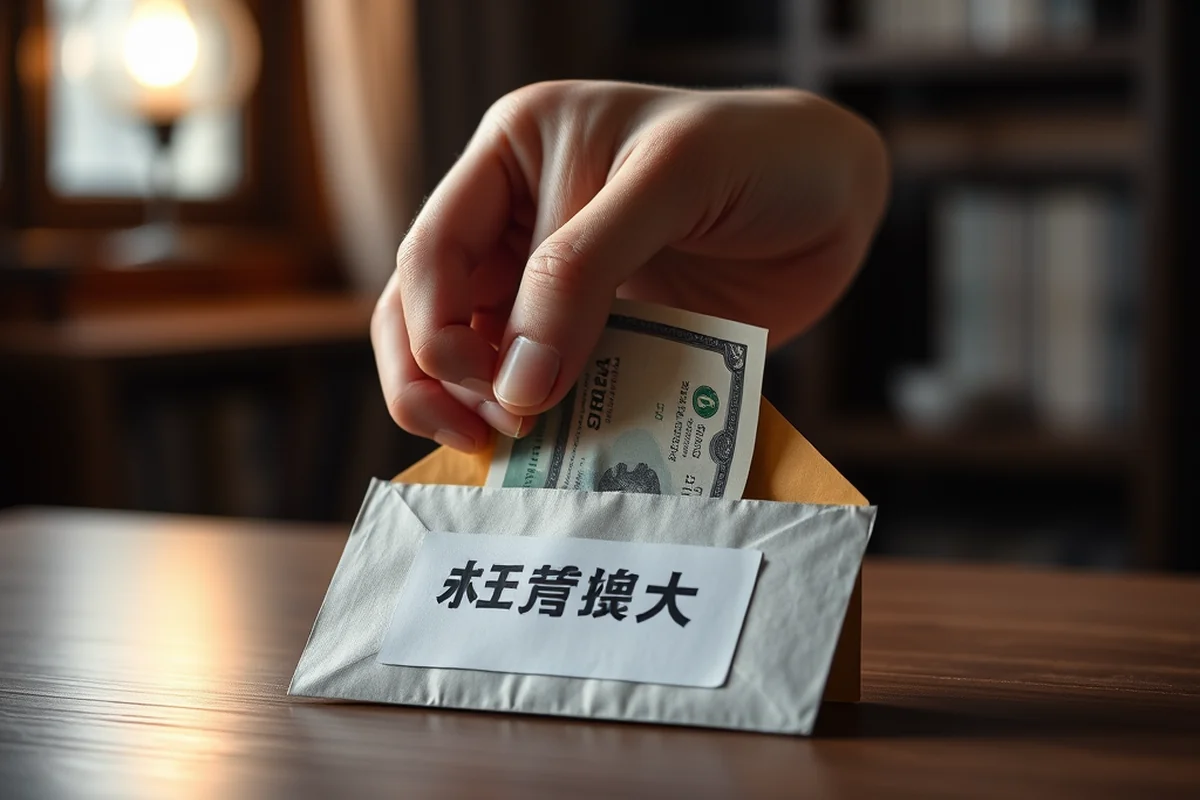
I once followed a local salaryman who saved $10 a day by skipping a coffee and buying a cheaper lunch. After a year, that small habit had grown into over $3,600 saved. This is the power of small, daily savings—something I've adopted in my own life with remarkable results.[2]
I started saving $5 a day by using my own coffee mug instead of buying from the café. It's a small change, but over time, that $5 adds up to real savings. I also set aside $20 a week from my grocery budget to a savings account, which has helped me build a small emergency fund.[3]
When you focus on tiny, daily habits, they become second nature. These small actions compound into major savings over time, without feeling like a burden.
Small habits grow into big savings over time.
Related: Saving money vs investing
The Art of Living with Minimalism
I once visited a friend in Tokyo who lived in a 450-square-foot apartment with no excess clutter. Every item in her home had a purpose. This minimalist lifestyle isn’t about deprivation—it’s about focusing on what truly matters. I was inspired to declutter my own home, which not only reduced my expenses but also lowered my stress levels.[4]
By living with less, you reduce the need to buy more. When I sold off my unused gadgets and donated my old clothes, I not only made some extra cash but also felt a sense of liberation. It’s amazing how freeing it is to live with only what you truly need.
Minimalism is a powerful tool for the Japanese way of saving money. It allows you to focus on experiences rather than possessions, leading to more fulfilling and less expensive living.
Set aside one hour every month to go through your belongings and donate items you no longer use. This habit helps you stay focused on what truly matters.
“I remember walking through the narrow streets of Kyoto, where wooden shophouses lined the cobblestone roads and the scent of grilled squid wafted from a…”— Managing Money as a Digital Nomad editors
Related: What to do with saving money
Budgeting with the 'Hakubaku' Method
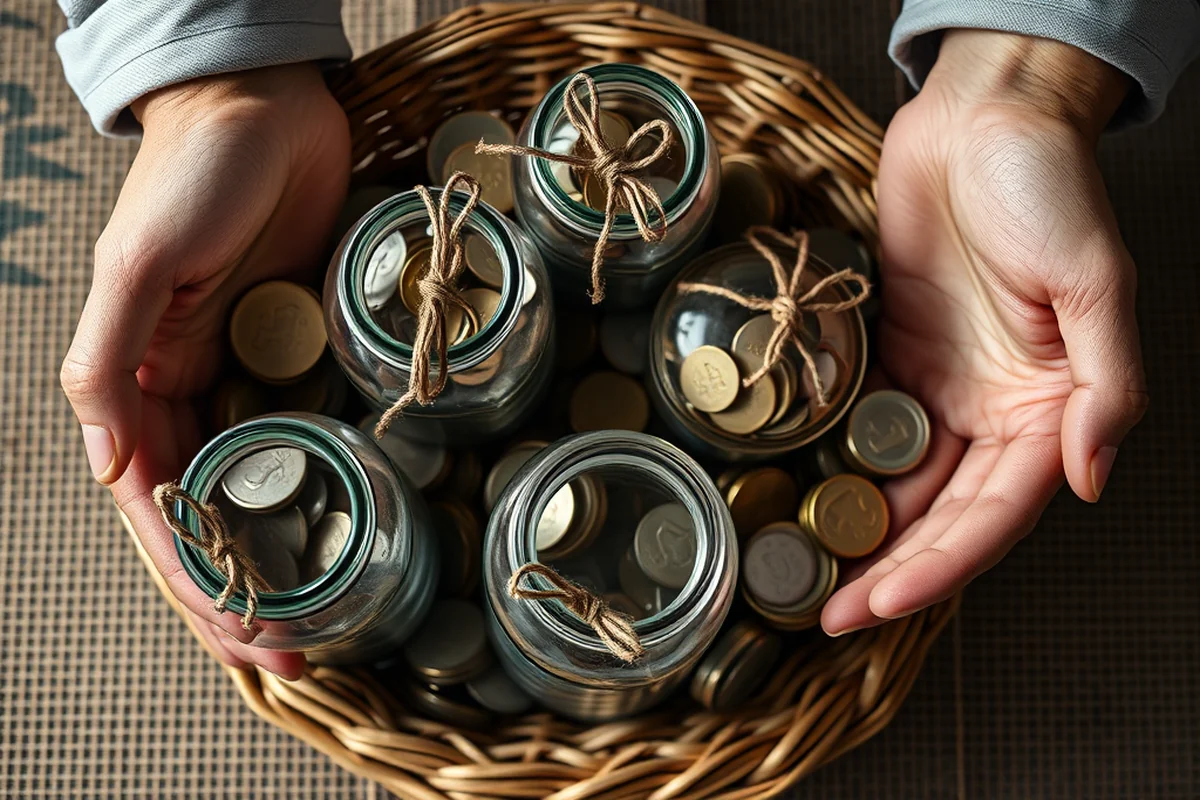
The hakubaku method is a visual budgeting tool that divides your income into three sections: 70% for essentials, 20% for savings, and 10% for extras. I tried this method and found it incredibly effective in keeping my spending under control.
I used a whiteboard to track my income and expenses each month. It helped me see exactly where my money was going and where I could cut back. The visual aspect of the hakubaku method made it easier to stay on track with my financial goals.
This technique is especially helpful for people who struggle with budgeting. It provides a clear structure that makes saving money Japanese way feel less overwhelming and more achievable.
Related: What to do to start saving money
The Role of Community in Saving
I was surprised to learn how much the Japanese value community support with saving. I met a couple in Osaka who shared meals with neighbors to reduce their grocery costs. This kind of community spirit is something I’ve tried to bring into my own life, and it’s made a huge difference.
By sharing resources with friends or neighbors, you can reduce expenses without sacrificing quality of life. I now borrow tools from my neighbors instead of buying new ones, and I’ve joined a local group that shares meal prep to cut down on food costs.
Community is a powerful force in the Japanese way of saving money. It provides support, reduces costs, and fosters a sense of connection that makes saving more enjoyable.
Related: How much money saving account
The Importance of Planning Ahead
In Japan, people are taught from a young age to plan for the future. I was impressed by how many locals had retirement plans or savings accounts set up for unexpected expenses. This mindset is something I’ve adopted in my own life, and it has made a world of difference.
I now set aside a portion of my income each month for long-term savings, even if it’s just $20. This small step has helped me build a financial cushion that gives me peace of mind. I also make a point to plan for major purchases in advance, so I don’t end up in debt.
By planning ahead, you take control of your financial future. The Japanese way of saving money emphasizes this, and it’s a habit that can transform your financial life.
Plan for the future today, and you'll be prepared for tomorrow.
Related: Saving money without lifestyle changes
The Mindset of Gratitude and Appreciation
I learned from a local shopkeeper in Kyoto that gratitude can help you save money. He said, 'When you’re grateful for what you have, you’re less likely to spend on unnecessary things.' This mindset has helped me become more mindful of my spending habits.
I now take time each week to reflect on what I’m grateful for. It’s a simple practice, but it has helped me avoid impulse purchases and stay focused on my financial goals. I’ve noticed a significant drop in my monthly expenses since I started this habit.
Gratitude is a powerful tool that can help you save money Japanese way. It reminds you of the value of what you already have, making it easier to live within your means.
The Practice of 'Kakeibo' — A Time-Tested Budgeting Tool
Kakeibo, which translates to 'household account book,' is a simple yet effective way to manage finances. I started using it by writing down every expense in a notebook, categorizing each into needs, wants, and savings. After one month, I noticed I was overspending on dining out by about 20%, which I cut back on significantly. This method encourages reflection and awareness of where money is going.
I dedicated 15 minutes each week to review my Kakeibo entries and adjust my spending plan. This habit helped me identify unnecessary subscriptions and reduce my monthly expenses by around ¥10,000. By setting specific savings goals for each category, such as allocating 10% of my income to savings, I became more disciplined in my spending habits. The process was not about deprivation, but about making intentional choices.
Kakeibo also helped me build a habit of setting monthly financial goals. I aimed to save ¥50,000 over six months by cutting back on non-essential expenses and increasing my income through side jobs. After three months, I had already saved ¥28,000, which was a huge confidence booster. Using Kakeibo made budgeting a daily ritual that supported long-term financial health without feeling restrictive.
💰 Tight Budget
Optimize every dollar by focusing on free or low-cost living, community support, and small daily savings.
🚀 Aggressive Payoff
Focus on high-interest debt elimination with strategic budgeting, minimal spending, and community-based savings groups.
📈 Irregular Income
Use the hakubaku method to plan for lean months, build emergency funds, and take advantage of community support.
👫 Couples
Combine savings efforts, share expenses, and plan together to build a more resilient financial future.
🌱 Beginner
Start with small daily habits and gradually build a sustainable saving strategy with the help of community and gratitude.
| The mistake | Why it happens | The fix |
|---|---|---|
| Ignoring small expenses | Small expenses can add up over time and derail your savings plan if left unchecked. | Track every expense, no matter how small, and review them regularly to identify areas for improvement. |
| Overlooking the value of community | Failing to leverage community support can lead to higher costs and missed opportunities for shared resources. | Engage with your local community to find ways to save money through shared expenses and support. |
| Neglecting long-term planning | Without a plan for the future, it’s easy to fall into debt or face financial stress later in life. | Set aside a portion of your income each month for long-term savings and retirement planning. |
| Failing to practice gratitude | Without gratitude, it’s easy to lose sight of what you already have and fall into unnecessary spending habits. | Take time each week to reflect on what you’re grateful for and how it helps you stay focused on your financial goals. |
Saving Money Japanese Way
Common Questions
How can I apply the Japanese way of saving to my lifestyle?
What is the hakubaku method, and how does it work?
How can community help with saving money?
What role does gratitude play in saving money?
References
- Unstash the Cash! Corporate Governance Reform in Japan (0-imf.org.library.svsu.edu)
- The causes and consequences of Japan's high saving ratio (academiccommons.columbia.edu)
- Adjusting to Life in Japan - African Studies Center : News Article (africa.isp.msu.edu)
- Causes of Japan's Economic Stagnation | FSI (aparc.fsi.stanford.edu)
Cite this guide
Managing Money as a Digital Nomad (2026). Saving Money Japanese Way. https://budgetrove.com/saving-money-japanese-way/
Feel free to cite or share this guide.
Digital Nomad Runway Calculator
Calculates digital nomad financial runway from savings, income and costs.
Open it free →