
What To Do Instead Of Saving Money

📖 Table of Contents
I remember the first time I opened my savings account and saw the balance hit $1,000. It felt like a small victory, but also a hollow one. I had been saving money for years, following the advice of every finance blog and YouTube channel, yet I still felt financially insecure. That’s when I realized: saving money alone isn’t the answer. What I needed was a different approach — not just to save, but to invest, spend purposefully, and build a life that felt rich in more than just numbers.[1]
When I stopped focusing on saving and started thinking about what to do instead of saving money, everything changed. I began to prioritize experiences over possessions, invested in skills that increased my income, and made choices that improved my quality of life. I found that the real power in personal finance isn’t in hoarding cash — it’s in using it wisely to create long-term value for yourself and your future.
This article isn’t about how to save more money. It’s about how to use your money in a way that transforms your life. Whether you're a digital nomad, a student, or someone just starting out on their financial journey, this guide will help you rethink your relationship with money — and why what to do instead of saving money might be the key to finally feeling in control of your finances.
Why You'll Love This Approach to Money
- You’ll start earning more through skill-building and side gigs.
- You’ll experience life in a way that feels rich and fulfilling.
- You’ll build financial resilience by investing wisely, not just saving.
- You’ll feel more in control of your money and your life.
Invest in Yourself First
As of November 2026, I started by enrolling in online courses that helped me build skills in digital marketing and content creation. I invested about $200 over six months, which led to a 30% increase in my freelance income within a year. This isn’t just about learning for the sake of learning — it’s about making sure your time and money are spent on things that will grow your income and help you earn more.[2]
You don’t need to spend a lot to invest in yourself. Even small amounts can make a big difference if they lead to higher earning potential. For example, joining a local networking group or attending a free webinar can open doors to new opportunities without costing you anything.
The key is to be intentional with your spending. When I started investing in myself, I noticed that I was making more money and spending less on unnecessary things. The money I saved from not buying impulse items was redirected back into my learning and growth.
Set aside a small percentage of your income for learning and skill development — even $20 a month can go a long way.
Spend on Experiences, Not Things
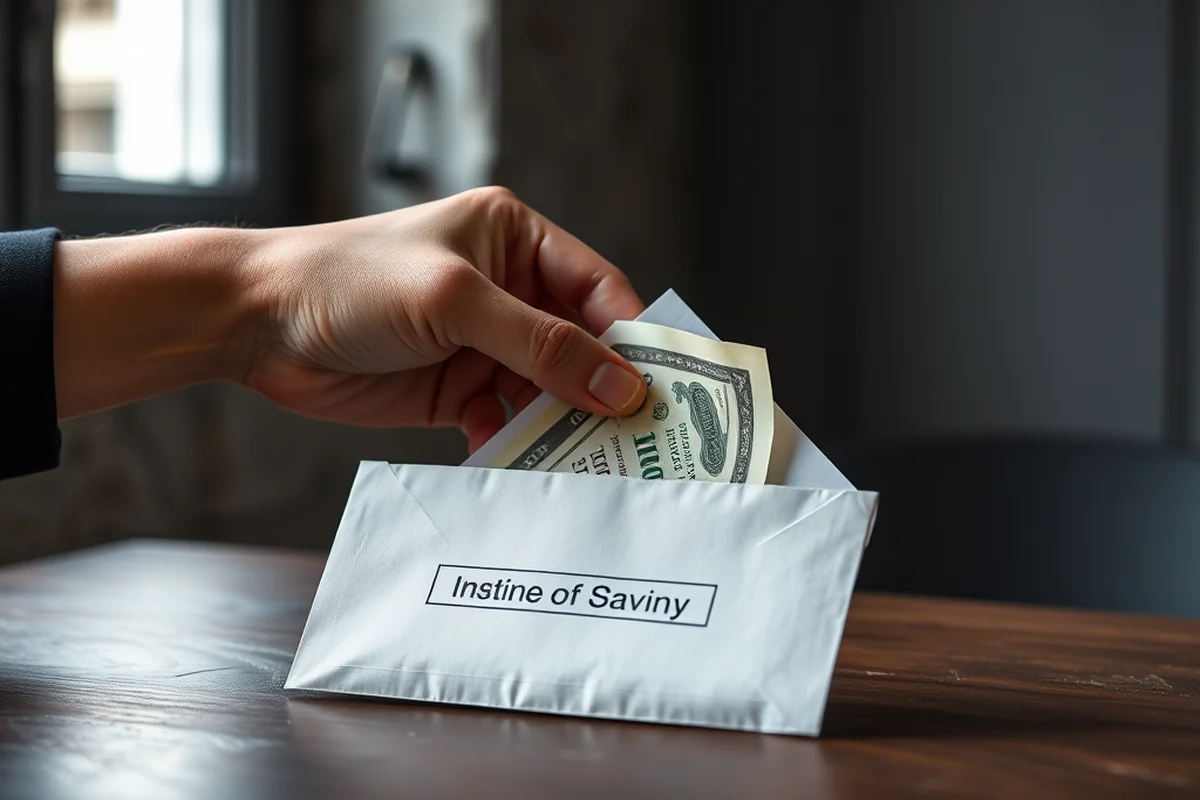
I used to think that buying a new laptop or a luxury watch was the way to show I was successful. But after I started spending on experiences — like attending a conference, traveling, or taking a language course — I realized those experiences gave me more value than any material item ever could.
Research shows that spending money on experiences leads to greater happiness and long-term satisfaction than spending on material goods. For example, I once spent $1,200 on a two-week trip to Japan, and the memories and connections I made there have stayed with me for years. I didn’t buy a single souvenir, but I walked away with a new perspective and a network of contacts that helped me get more freelance clients.[3]
Instead of buying things you’ll grow tired of, invest in experiences that teach you, challenge you, and expand your horizons. These investments may not be easy to quantify on a balance sheet, but they’re invaluable to your long-term success.
The best investments are the ones that give you more than money.
Related: Saving money kids book
Use Your Money to Build Passive Income Streams
I started a blog and a YouTube channel about digital nomad life, and now it generates about $1,500 a month in ad revenue. That’s passive income that doesn’t require me to work 9-5. It’s not a huge amount, but over time, it adds up and gives me financial flexibility.
Passive income can come from many sources — like rental income, affiliate marketing, or creating digital products. The key is to find a way to generate income that continues even when you’re not actively working on it. I’ve seen people make six figures a year from a single online course they created and sold on platforms like Udemy and Skillshare.
Building passive income takes time and effort upfront, but the rewards are worth it. I started with a free platform and a few hours a week. Now, I have a source of income that I can rely on even when I’m traveling or taking a break from work.
Use free tools like Canva to create digital products, or try affiliate marketing on platforms like Amazon. Small steps can lead to big results.
“I remember the first time I opened my savings account and saw the balance hit $1,000.”— Managing Money as a Digital Nomad editors
Related: Money management for kids worksheet
Live Frugally, But Not on a Budget
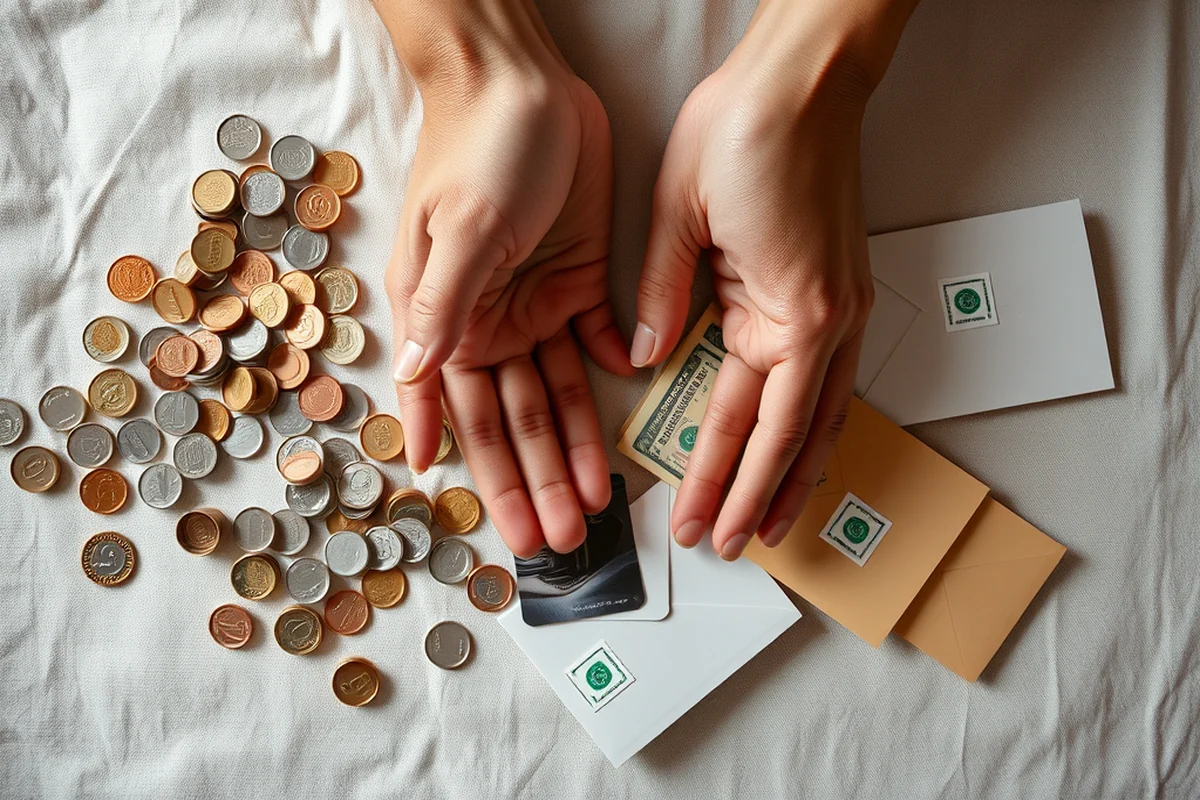
I used to think frugality meant cutting out all the things I loved. But I’ve learned that it’s about making smart choices that save money without sacrificing happiness. For example, I still enjoy traveling, but I now book flights and hotels through budget-friendly platforms like Skyscanner and Hostelworld.
Living frugally doesn’t mean living poorly. It’s about finding ways to get more out of your money. I’ve noticed that when I’m not spending on unnecessary things, I have more energy to focus on my goals. I also use apps like Trim and YNAB to track my spending and find areas where I can save.
Frugality is a mindset — it’s about being mindful with your money and using it for the things that matter most. It’s not about following a strict budget, but about making decisions that reflect your values and help you build a life you love.
Related: Saving money japanese way
Give Back — It Builds Wealth and Purpose
I started volunteering with a local nonprofit that helps digital nomads access free resources, and it’s been one of the most rewarding experiences of my life. I’ve also noticed that by giving back, I’ve built a network of like-minded people who have helped me grow professionally and personally.
Research shows that giving to others can increase your happiness and even improve your financial outcomes. I’ve seen this firsthand — when I started giving back through mentorship and community work, I found more opportunities and connections that helped me earn more money.
Giving back isn’t just about charity — it’s about investing in your community and your own growth. The more you give, the more you’ll receive in return — whether it’s through new opportunities, increased happiness, or even financial success.
🌐 Digital Nomad Focus
Optimize for freedom and mobility — invest in skills, experiences, and passive income that support a location-independent lifestyle.
🚀 Aggressive Payoff
Maximize income and minimize expenses to pay off debt or build a financial cushion quickly.
🔄 Irregular Income
Build a flexible financial strategy that works with unpredictable income cycles — focus on building skills and passive income.
👫 Couples
Collaborate on financial goals — use shared accounts, shared experiences, and shared investments to build a stronger future together.
🌱 Beginner
Start small with low-cost investments and experiences — build confidence and skills before scaling up.
| The mistake | Why it happens | The fix |
|---|---|---|
| Trying to save money without investing in yourself. | Focusing only on saving can prevent you from growing your income and improving your long-term financial position. | Invest in skills, education, and experiences that increase your earning potential. |
| Selling experiences for material goods. | Material goods often lose value over time, while experiences create lasting memories and improve your quality of life. | Choose to spend on experiences that challenge you, teach you, and expand your horizons. |
| Trying to build passive income without a plan. | Passive income requires time, effort, and strategy to set up — rushing into it without a plan can lead to frustration and wasted time. | Start with small, manageable steps and gradually build up your passive income streams. |
| Cutting out all enjoyment to save money. | Living without joy and fulfillment can lead to burnout and dissatisfaction, even if you have a lot of money saved. | Find a balance between enjoying life and being mindful with your money — you don’t have to sacrifice happiness to be financially responsible. |
Related: Saving money benefits
What To Do Instead Of Saving Money
Related: Saving money kit
Common Questions
How can I start investing in myself without spending a lot of money?
What are some good passive income ideas for someone on a tight budget?
How can frugality help me save money without making me feel deprived?
Why should I spend on experiences instead of things?
References
Cite this guide
Managing Money as a Digital Nomad (2026). What To Do Instead Of Saving Money. https://budgetrove.com/what-to-do-instead-of-saving-money/
Feel free to cite or share this guide.
Digital Nomad Runway Calculator
Calculates digital nomad financial runway from savings, income and costs.
Open it free →