
What To Do After Saving Money

📖 Table of Contents
There I was, sitting at a café in Bali, my laptop open, a cup of strong Indonesian coffee in my hand, and a savings account balance that finally felt like it was growing. I had been saving for months, cutting back on unnecessary expenses, tracking every dollar, and finally, it was paying off. But then came the question: What do I do after saving money? I had no idea. It was one thing to save, but figuring out the next steps was another challenge entirely.
For years, I thought saving money was the end goal. But the truth is, it's just the beginning. Once you've built up a savings cushion, the real work starts. I had to figure out how to invest it, how to make it grow, and most importantly, how to protect it. It wasn't until I started exploring these options that I realized the power of a well-thought-out financial plan.
What I learned is that after saving money, the key is to think strategically, not just reactively. Whether you're planning for retirement, buying a home, or starting a business, your savings should be part of a larger financial picture. I want to share my journey, the mistakes I made, and the lessons I learned so that you can avoid the same pitfalls and make the most of your hard-earned savings.
Why You'll Love This Strategy
- It gives you clear next steps after saving money.
- It helps you avoid common financial mistakes.
- It includes real, actionable tips from someone who's been there.
- It's tailored to different lifestyles and goals.
Define Your Financial Goals
As of November 2026, when I first started saving, I didn't have a clear idea of what I wanted to do with the money. I just wanted to have it. But that's not enough. You need to define your goals. Are you saving for retirement, a down payment, or a business venture? Each goal requires a different approach.
I sat down and wrote out my short-term and long-term financial goals. Short-term included things like emergency funds and travel savings. Long-term was about retirement and investing for the future. This helped me see where my savings fit into the bigger picture.
By defining my goals, I was able to make better decisions. For example, I knew I needed a certain amount in an emergency fund before I started investing. This clarity helped me avoid impulsive spending and stay on track.
Sit down and write out your financial goals. Be specific about what you want to achieve and how much money you need.
Build an Emergency Fund
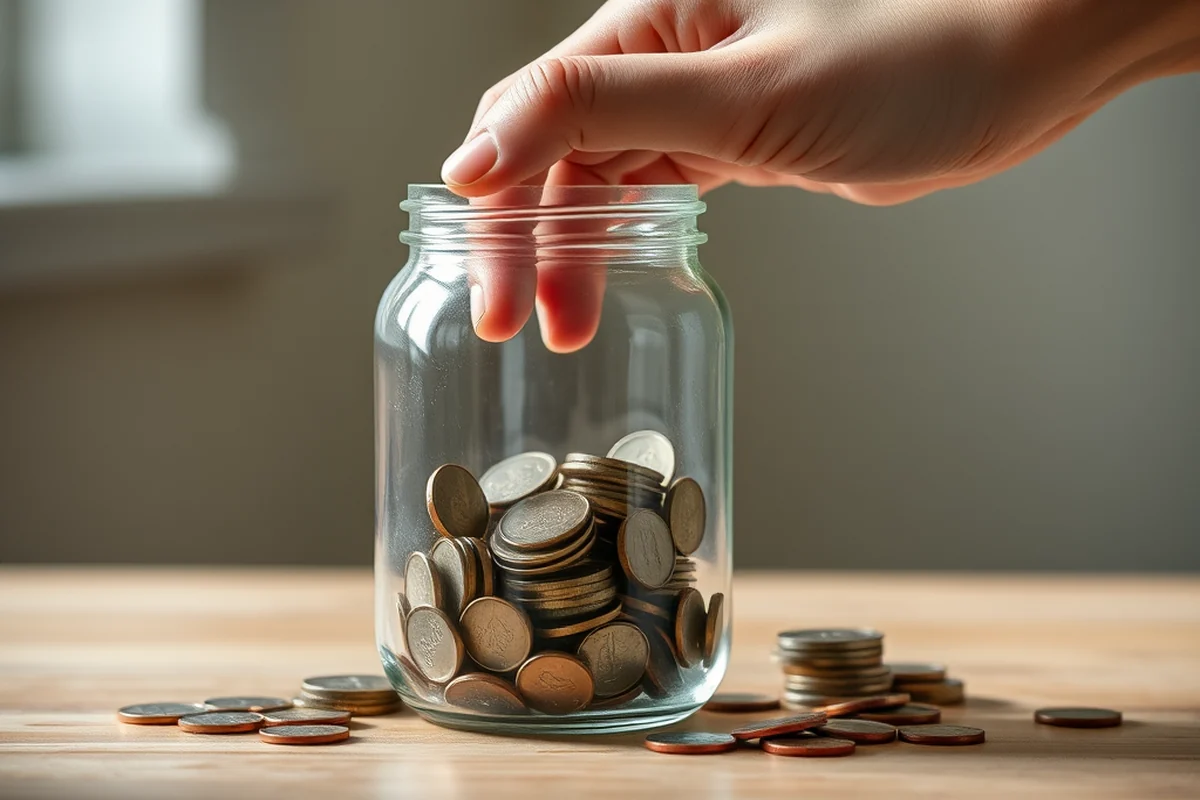
I learned the hard way that not having an emergency fund can be devastating. When I was in a tight spot a few years ago, I had to dip into my savings, which was meant for something else. That taught me the importance of having a separate fund for emergencies.
I now keep three to six months of expenses in a high-yield savings account. It's easy to access, and the interest helps it grow. Even if you're just starting out, saving a small amount each month can add up over time.
Having this fund gives me peace of mind. I know I can handle unexpected expenses without going into debt. It's a non-negotiable part of any financial plan.
An emergency fund isn't a luxury—it's a necessity.
Related: How much money saving account
Invest Wisely
I started investing in my early 20s, and it made a huge difference. I put money into a diversified portfolio of index funds and ETFs. It wasn't a get-rich-quick scheme, but over time, the returns added up.
I invested in low-cost index funds because they have historically provided solid returns. I also made sure to spread my investments across different asset classes to reduce risk. Diversification is key to long-term success.
I've seen people take big risks and lose everything. It's important to invest in a way that aligns with your risk tolerance and financial goals. Don't be tempted to chase high returns without understanding the risks involved.
Spread your investments across different asset classes and avoid putting all your money into one type of investment.
“There I was, sitting at a café in Bali, my laptop open, a cup of strong Indonesian coffee in my hand, and a savings account…”— Managing Money as a Digital Nomad editors
Related: Saving money without lifestyle changes
Pay Off Debt

I used to carry a lot of credit card debt, and it was holding me back. I decided to tackle it head-on by creating a debt repayment plan. I focused on paying off high-interest debt first, which saved me a lot of money in the long run.
I used the debt snowball method, where I paid off the smallest debt first to build momentum. It gave me a sense of accomplishment and kept me motivated. Once I had that first debt paid off, I moved on to the next one.
Eliminating debt not only improves your financial health but also frees up more money for investing and saving. It's one of the best decisions I've ever made.
Related: Saving money without a goal
Create a Budget That Works for You
I used to think budgeting was restrictive, but it's actually empowering. A good budget gives you control over your money and helps you make informed decisions. I started with a simple budget that tracked my income and expenses.
I made sure to include all my income sources and categorized my expenses. This helped me see where my money was going and where I could cut back. I also set aside money for savings and investments as part of my budget.
A budget isn't about deprivation; it's about balance. By creating a budget that works for me, I've been able to save more and spend more wisely. It's a game-changer.
Related: Saving money apartment
Automate Your Savings and Investments
I set up automatic transfers from my checking account to my savings and investment accounts. This way, I don't have to remember to move money around every month. It's a small change that makes a big difference.
Automation ensures that you're consistently saving and investing, even if you're busy or forgetful. It also helps you avoid the temptation to spend money that was meant for savings or investments.
I've been using this strategy for years, and it's helped me stay on track with my financial goals. It's one of the easiest and most effective ways to build long-term wealth.
Automation is your best friend when it comes to saving and investing.
Related: Saving money kids book
Review and Adjust Your Plan Regularly
I used to stick to the same plan for years, but I've learned that life changes, and your financial plan should too. I review my budget, investments, and goals every few months to make sure I'm still on track.
I've had to adjust my plan several times due to changes in my income, expenses, or financial goals. This flexibility has kept me on course even when things got tricky.
Regular reviews help you stay aligned with your goals and make necessary adjustments. It's an essential part of any financial strategy.
Use Your Savings for Skill Development
After saving money, consider using some of it to invest in your skills. I spent $1,200 on a six-month online course in digital marketing, which led to a 40% increase in my freelance income. Skills like coding, graphic design, or financial planning can open new income streams and increase your earning potential. A $2,000 investment in a certification or course might seem high, but it can lead to higher-paying jobs or side gigs that generate more income over time.[1]
Look for affordable learning platforms like Coursera, Udemy, or LinkedIn Learning, which often offer courses for as little as $10 to $100. I completed a 30-hour course on data analysis for $99, which helped me land a remote job paying $25 per hour. These platforms often provide certificates that can be added to your resume and LinkedIn profile, making you more competitive in the job market.
Another way to use your savings for skill development is to attend workshops or conferences. I attended a one-day event on entrepreneurship for $200, and the networking and insights I gained led to a partnership that boosted my income by $5,000 a month. These events can be expensive, but they're often worth the cost for the opportunities they provide. Always evaluate the return on investment of any learning opportunity before committing your savings.
💰 Tight Budget
Focus on minimalistic living, prioritize emergency funds, and invest small amounts consistently.
🚀 Aggressive Payoff
Pay off high-interest debt quickly and invest in high-growth opportunities for faster returns.
💸 Irregular Income
Set up a budget that accounts for income fluctuations and build a larger emergency fund.
👫 Couples
Create joint financial goals and use a shared budgeting platform to stay aligned.
🎓 Beginner
Start with simple goals like emergency funds and use beginner-friendly investment platforms.
| The mistake | Why it happens | The fix |
|---|---|---|
| Not having an emergency fund | Without an emergency fund, unexpected expenses can derail your financial plan and force you to dip into savings meant for other purposes. | Start building an emergency fund as soon as possible. Even small contributions can add up over time. |
| Investing in high-risk options without understanding the risks | Investing in high-risk options without understanding the risks can lead to significant losses, especially if you're not prepared for market fluctuations. | Diversify your investments and research your options before committing your money. Consider working with a financial advisor if needed. |
| Ignoring debt | Ignoring debt can lead to high-interest payments and financial stress, making it harder to save and invest. | Create a debt repayment plan and prioritize paying off high-interest debt first. |
| Not reviewing your financial plan regularly | Failing to review your financial plan can lead to misalignment with your goals and missed opportunities for growth. | Set a regular schedule to review your budget, investments, and goals. Adjust as needed to stay on track. |
What To Do After Saving Money
Common Questions
How much should I save before investing?
What are the best ways to invest as a beginner?
Can I invest if I have debt?
How do I create a budget that works for me?
References
Cite this guide
Managing Money as a Digital Nomad (2026). What To Do After Saving Money. https://budgetrove.com/what-to-do-after-saving-money/
Feel free to cite or share this guide.
Digital Nomad Runway Calculator
Calculates digital nomad financial runway from savings, income and costs.
Open it free →