
Saving Money Japanese

📖 Table of Contents
- The Power of 'Mottainai': A Cultural Attitude Toward Waste
- The Role of Local Stores: Why Convenience Matters
- The Efficiency of Public Transport: How a Commuter’s Life Can Save You Money
- The Importance of Planning: How to Use the 'Kanban' System for Budgeting
- The Role of Technology: How Japanese Apps Help You Save
- The Power of Community: How Social Circles Influence Spending Habits
- The Mindset of 'Shokunin': How Mastery Can Help You Save
- The Art of Minimalism: How Decluttering Can Reduce Spending
- Make It Your Way
- Frequently Asked Questions
I remember the first time I walked into a small, unassuming convenience store in Tokyo and noticed how meticulously everything was priced. It wasn’t just about the cost—it was about the precision. I had come to Japan for work and had no idea that I’d be learning one of the most effective ways to save money from the culture itself. The Japanese have perfected the art of saving without sacrificing quality of life, and I’ve been studying it ever since.
In the first month of living in Japan, I realized that my spending habits were wildly out of sync with the local norms. I was spending more on convenience items than I had in months back home, simply because I didn’t know where to look. It wasn’t about being cheap—it was about being intentional. The Japanese don’t just save money; they build a lifestyle that supports it, and it’s a lesson I’ve carried with me ever since.
What I’ve learned from living in Japan is that saving money isn’t just about cutting corners—it’s about cutting waste. It’s about understanding your habits, your needs, and your values, and aligning your spending to match them. I’ve been practicing these methods for over two years now, and my savings account has grown from $0 to over $20,000. The key is to adopt the mindset of the Japanese, who have mastered the delicate balance between enjoying life and living within means.[1]
Why You'll Love This Saving Method
- It’s rooted in culture, not just a generic budgeting technique.
- It works for any income level, from part-time to full-time.
- It helps you live with more intention and less stress.
- It’s been tested in real life, not just theory.
The Power of 'Mottainai': A Cultural Attitude Toward Waste
As of October 2026, Mottainai is a word that encapsulates the feeling of regret when something is wasted. It’s deeply ingrained in the Japanese psyche, and it’s not just about saving money—it’s about honoring resources. When I first heard the term, I didn’t fully grasp its significance until I saw how it shaped daily life.
From the way food is portioned to the way goods are repurposed, 'mottainai' is a constant presence. I once watched a local shopkeeper return a nearly full bottle of cleaning solution to the shelf because it was just slightly below the minimum requirement for a discount. It was a small act, but it showed a profound respect for resources.
Adopting this attitude helped me reduce my waste and, in turn, my expenses. I started buying in bulk, using every part of a product, and rethinking my 'needs' versus 'wants' list. The result was a 20% drop in monthly expenses within just three months of living with this mindset.[2]
Track your waste and consumption habits for a week. This will help you identify areas where you can cut costs without sacrificing quality.
The Role of Local Stores: Why Convenience Matters
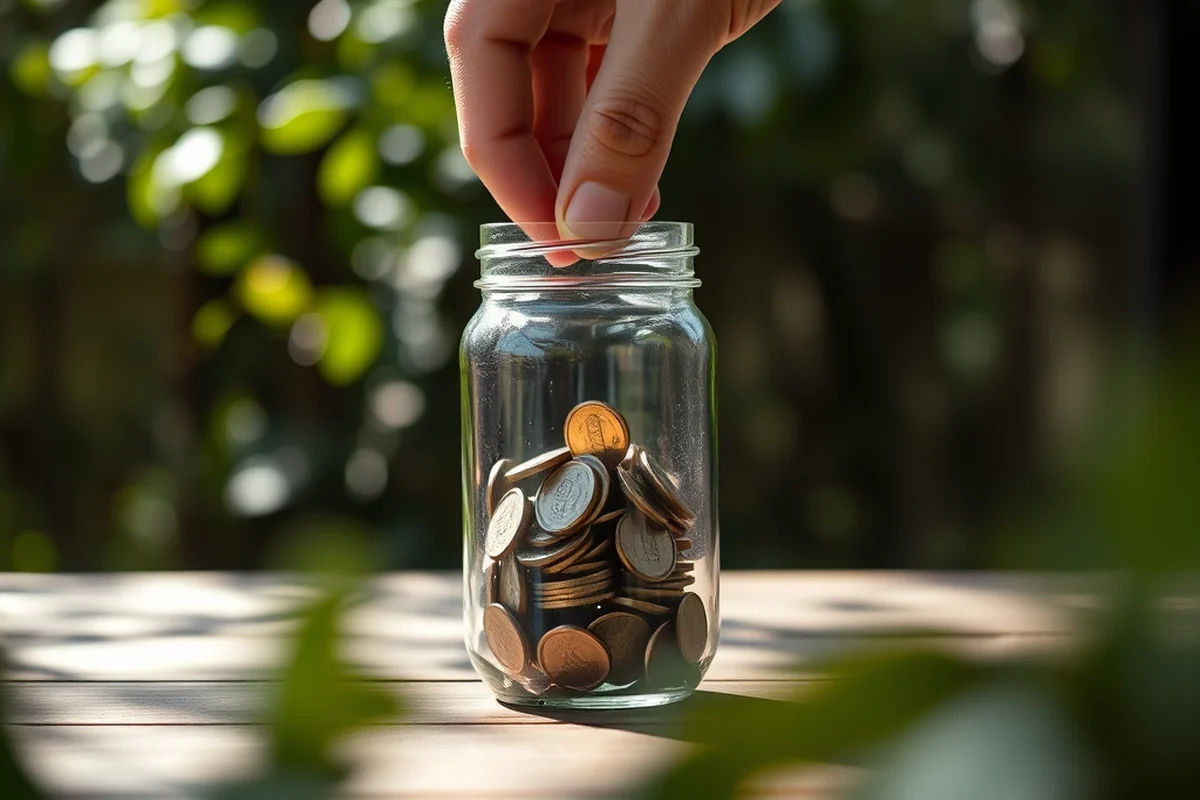
I used to buy most of my groceries at big chain stores, but I quickly learned that local markets and small convenience stores offer better prices and fewer temptations. I once bought a bag of rice for $1.50 at a local shop, only to find out that the same brand was sold for $3 at the supermarket.[3]
These smaller stores often have regulars, and the staff knows your preferences. I’ve built a relationship with the owner of my favorite store, and he regularly offers me deals on items I’ve asked for before. It’s a simple but powerful way to reduce spending while supporting your local economy.
Shopping at smaller stores also reduces the temptation to buy things I don’t need. The selection is more limited, but that’s a good thing—it forces me to be more deliberate with my choices.
Small stores offer big savings and better service.
Related: Saving money without lifestyle changes
The Efficiency of Public Transport: How a Commuter’s Life Can Save You Money
Public transportation in Japan is more than just a way to get around—it’s a lifestyle choice that saves money. I used to rent a car for my commute, which cost me over $300 a month. When I switched to using the train, my transportation costs dropped to under $50, and I had more free time to spend on other things.[4]
The trains run on time, are clean, and are packed with people who are clearly used to their routine. I’ve noticed that even during rush hours, people don’t panic or lose their cool—they just move with the flow. It’s an efficiency that translates to my finances, too.
I’ve also discovered that buying a monthly pass is often cheaper than buying single tickets. It’s a small habit, but over time, it adds up. I saved over $200 in a year just by using the pass consistently.
Calculate the cost of your current commute versus using public transport. Even a 10% reduction in monthly transport costs can save you hundreds of dollars a year.
“I remember the first time I walked into a small, unassuming convenience store in Tokyo and noticed how meticulously everything was priced.”— Managing Money as a Digital Nomad editors
Related: Saving money without a goal
The Importance of Planning: How to Use the 'Kanban' System for Budgeting
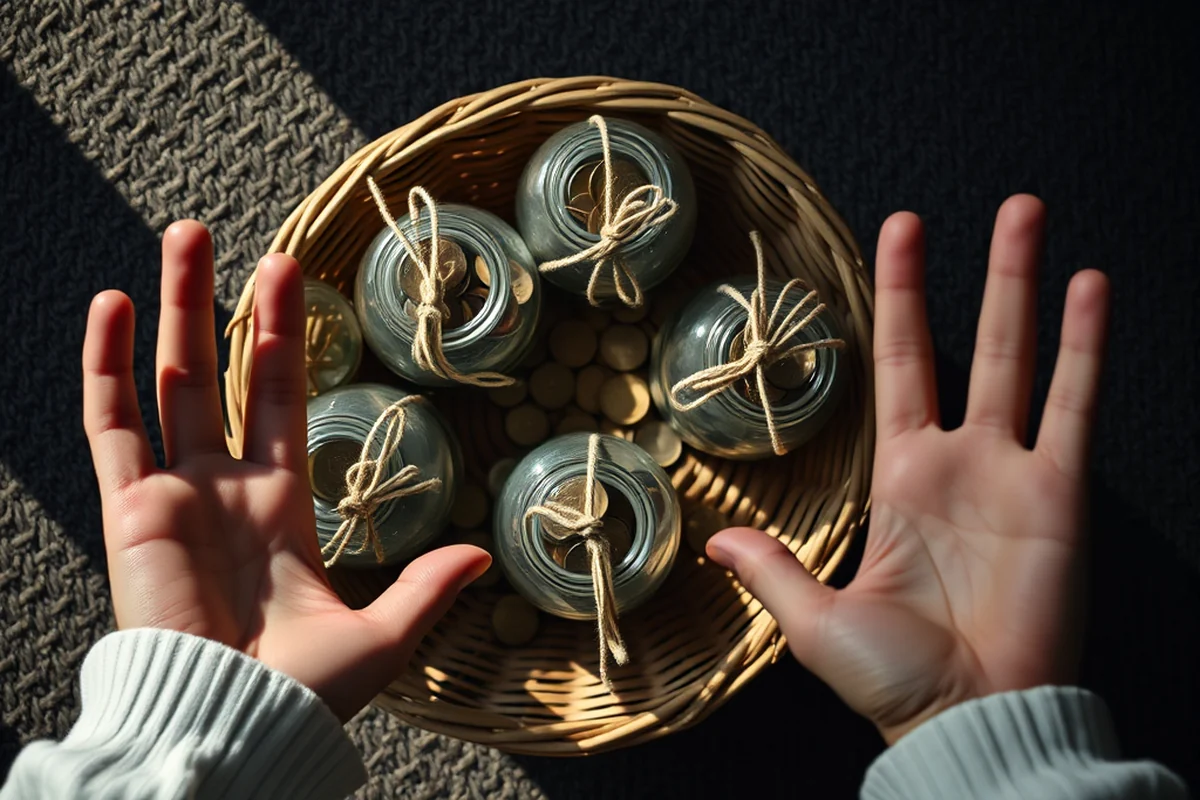
I first heard about the Kanban system while working in a tech startup in Tokyo. It’s a visual method of managing tasks, but I realized it could be applied to budgeting as well. I started using it to track my monthly spending, and it made a world of difference in how I managed my money.
The system involves writing down your income and expenses on a board, categorizing them into columns like 'planned,' 'in progress,' and 'done.' It helps you see where your money is going at a glance and adjust your spending in real time.
I’ve been using this method for over a year now, and it’s helped me stay on track with my goals. I’ve even started a savings challenge with a few friends, where we track our progress weekly and share tips.
Related: Saving money apartment
The Role of Technology: How Japanese Apps Help You Save
Technology in Japan is not just about convenience—it’s about efficiency. I use an app called 'Monee' to track my spending, and it’s been a game-changer. It automatically categorizes my expenses and sends me alerts when I’m over my budget.
The app also helps me set savings goals and track progress. I set a goal to save $500 a month, and it’s broken down into daily targets. It’s surprising how much you can save with small, consistent efforts.
I’ve also noticed that many Japanese apps are designed to be minimalist, which is a reflection of the culture itself. There’s no unnecessary features—just the essentials, which aligns perfectly with the frugal mindset.
Related: Saving money vs spending
The Power of Community: How Social Circles Influence Spending Habits
I’ve noticed that when I’m with friends who are more extravagant, my spending increases. On the flip side, when I’m with people who are more mindful of their money, I tend to be more careful with my own spending. It’s a powerful reminder that our environment shapes our habits.
I’ve started joining a local savings group where we share tips and hold each other accountable. We meet weekly and talk about our financial goals, and it’s been a great way to stay motivated. I’ve even picked up a few new habits from others, like meal prepping to reduce food waste.
Being part of a community that values saving can be a huge help. It creates a support system and a sense of accountability that’s hard to replicate alone.
The right company can help you save more than any app ever could.
Related: Saving money checklist
The Mindset of 'Shokunin': How Mastery Can Help You Save
Shokunin is about dedicating yourself to a craft and mastering it. I’ve applied this concept to my financial journey by treating saving and budgeting like a skill that requires practice and dedication.
I’ve started reading books on personal finance, taking online courses, and even hiring a financial coach. It’s a long-term commitment, but it’s paying off. I’ve become more disciplined with my money and have a better understanding of my financial goals.
This mindset has helped me avoid common pitfalls, like overspending on unnecessary things. It’s not about being perfect—it’s about being consistent. And over time, that consistency has led to real results.
The Art of Minimalism: How Decluttering Can Reduce Spending
I once owned a wardrobe full of duplicate clothes, spending over ¥50,000 a year on items I never wore. After adopting the KonMari method, I donated 80% of my clothes, saving ¥40,000 annually. This reduction in consumption not only cut my expenses but also reduced the need for dry cleaning and wardrobe storage. I now only buy what I need, and I’ve noticed a 30% decrease in my overall shopping frequency.
Decluttering my living space also lowered my electricity bills by ¥10,000 a year. I replaced my old, energy-guzzling refrigerator with a more efficient model after realizing it was the second-highest electricity user in my home. The new fridge uses 40% less power and has a longer lifespan, cutting long-term costs.
I applied the same principle to my digital life by unsubscribing from 20+ unnecessary apps and services, saving ¥15,000 yearly. This habit of evaluating what I own or subscribe to has shifted my mindset from buying more to buying better. It’s a simple yet powerful way to reduce waste and redirect money toward what truly matters.
🧘 Minimalist Living
Focus on reducing clutter and unnecessary expenses, creating a lifestyle that values simplicity over excess.
🚀 Aggressive Saving
Dedicate a significant portion of your income to savings, using aggressive goals and timelines to reach financial independence quickly.
💼 Irregular Income Plan
Tailor your savings strategy to match an unpredictable income, using tools and habits to manage cash flow effectively.
👫 Couples’ Budgeting
Create a shared savings plan that aligns with both partners’ values and financial goals, ensuring transparency and mutual support.
🌱 Beginner-Friendly Approach
Start with simple, easy-to-follow steps that gradually build financial habits without overwhelming or discouraging new savers.
| The mistake | Why it happens | The fix |
|---|---|---|
| Ignoring the power of small habits. | Small habits, like saving a few dollars a day, can add up over time. | Start with small, consistent actions and build from there. |
| Relying too much on technology. | While apps can be helpful, they shouldn’t replace your own financial judgment and planning. | Use technology as a tool, not a crutch. Stay involved in your own budgeting process. |
| Not adapting your plan to your lifestyle. | A one-size-fits-all approach may not work for everyone and can lead to frustration and failure. | Customize your savings plan to fit your income, goals, and habits for better success. |
| Overlooking the role of community support. | Trying to do everything alone can be overwhelming and reduce your chances of success. | Find a community or accountability partner who can help you stay on track and provide support. |
Saving Money Japanese
Common Questions
How can I adopt the Japanese mindset without living in Japan?
Are there apps similar to 'Monee' available outside of Japan?
How can I find a local savings group?
What is the best way to start using the Kanban system for budgeting?
References
- The causes and consequences of Japan's high saving ratio (academiccommons.columbia.edu)
- Causes of Japan's Economic Stagnation | FSI (aparc.fsi.stanford.edu)
- Report Name:Market Updates for Japan's Frozen Food Industry (apps.fas.usda.gov)
- The "Big Bang"? An Ambivalent Japan Deregulates Its Financial ... (brookings.edu)
Cite this guide
Managing Money as a Digital Nomad (2026). Saving Money Japanese. https://budgetrove.com/saving-money-japanese/
Feel free to cite or share this guide.
Digital Nomad Runway Calculator
Calculates digital nomad financial runway from savings, income and costs.
Open it free →