
Saving Money Vs Spending

📖 Table of Contents
- The Hidden Cost of Impulse Spending
- The Power of Budgeting for Digital Nomads
- The Role of Credit Cards in Managing Expenses
- The Psychological Benefits of Saving Money
- The Impact of Digital Nomad Lifestyle on Spending Habits
- The Long-Term Benefits of Consistent Saving
- How to Avoid Common Financial Pitfalls
- The Value of Tracking Your Money in Real Time
- Make It Your Way
- Frequently Asked Questions
I remember the first time I sat down to track my expenses and realized I was spending $200 a month on coffee. That moment was a wake-up call. As a digital nomad, I had always thought I was being frugal, but the numbers told a different story. The tension between saving money and spending became a daily battle, and it took a few months of trial and error to find the balance that worked for me.[1]
Before I discovered a structured approach to managing my finances, I would often fall into the trap of 'buying happiness'—a phrase I heard too many times in online forums. I thought that buying a new laptop or upgrading my accommodation would bring more satisfaction, but it only led to higher bills and less savings. It wasn’t until I started tracking every dollar and setting clear goals that I began to see the real value in saving money instead of spending impulsively.
Now, I can confidently say that saving money doesn’t mean sacrificing the life I want. It’s about making intentional choices and understanding the difference between needs and wants. Whether I’m in Bali or Lisbon, I’ve learned that the key to financial freedom lies in the delicate balance between saving money and spending it wisely.
Why You'll Love This Approach to Saving and Spending
- You’ll gain control over your finances with clear, actionable strategies.
- You’ll stop wasting money on things that don’t bring long-term value.
- You’ll be able to travel and live comfortably without stressing over your budget.
- You’ll build a safety net that protects you in times of uncertainty.
The Hidden Cost of Impulse Spending
As of October 2026, I used to think that buying a new pair of shoes or a trendy coffee mug was a harmless indulgence. But after tracking my spending, I saw that these small purchases were eating into my savings. It wasn’t until I set a rule to wait 24 hours before making a non-essential purchase that I started to regain control over my finances.[2]
I remember one month when I spent over $400 on unnecessary items, mostly things I had bought on a whim. That was a wake-up call. I had to be more intentional with my money and start looking for ways to reduce these impulse purchases.[3]
To combat this, I started using the 30-day rule — if I didn’t need it immediately, I’d put it on hold. This simple strategy helped me cut my impulse spending by 70% in just a few weeks.[4]
Before making a non-essential purchase, wait 30 days. If you still want it after that, you’ll be more likely to buy it at a better price or only when you really need it.
The Power of Budgeting for Digital Nomads
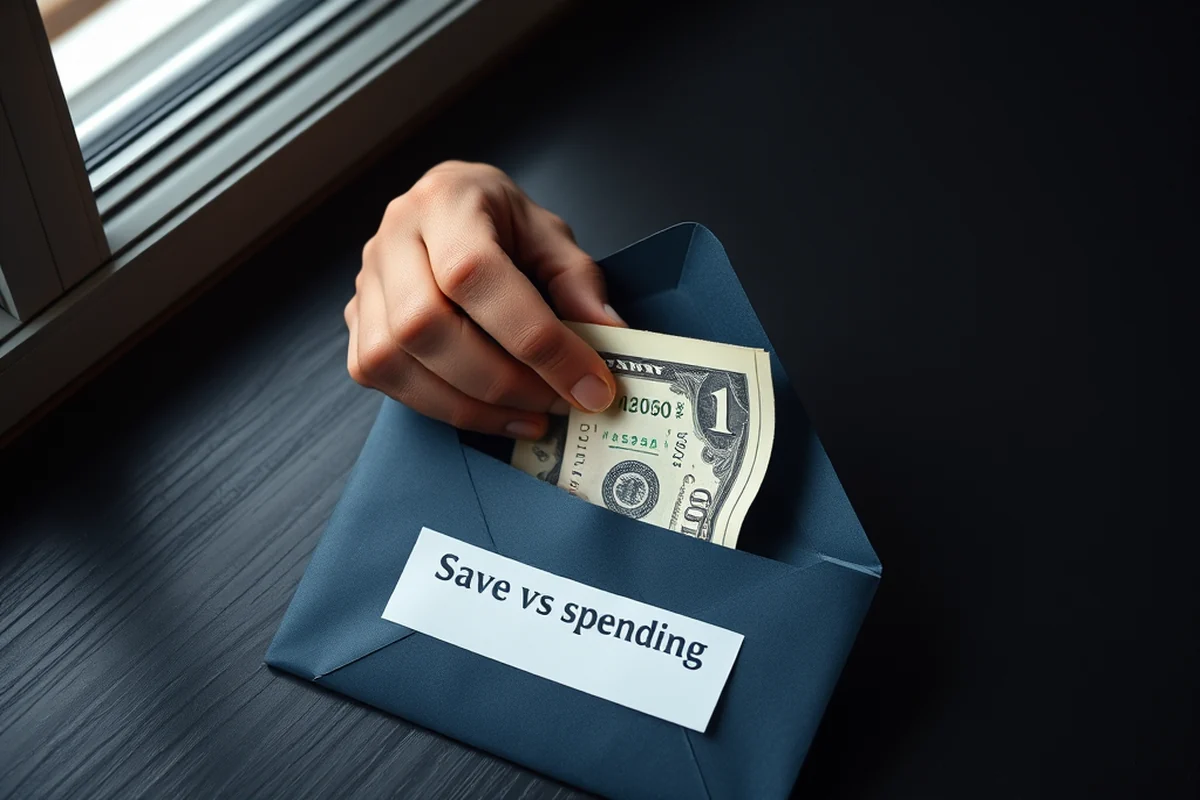
When I first started traveling as a digital nomad, I had no idea how to budget. I would spend everything on accommodation and then struggle to afford meals or internet. But after learning the 50/30/20 rule — 50% needs, 30% wants, 20% savings — I was able to plan my expenses more effectively.
For example, I allocate 50% of my income to essentials like accommodation, food, and travel costs. The other 30% is for things like social activities or a nice meal out. The remaining 20% goes directly into savings. This structure has helped me save consistently, even while living in different countries each month.
I’ve noticed that using this method has not only improved my financial situation but also made me more aware of my spending patterns. It’s a game-changer for anyone trying to balance saving money and spending it wisely.
Budgeting isn’t about restriction — it’s about freedom.
Related: Saving money cost of living
The Role of Credit Cards in Managing Expenses
I used to be afraid of credit cards because of the potential for debt. But once I started using them responsibly — paying off the balance each month — I realized how beneficial they can be. They offer rewards, protection against fraud, and the ability to track expenses easily.
One of the best features of using a credit card is the ability to earn points or cashback on purchases. I’ve found that using a credit card for travel-related expenses allows me to accumulate points that can be redeemed for flights or hotel stays. This has saved me a significant amount over time.
However, it’s crucial to avoid carrying a balance from month to month. The interest can quickly spiral out of control. I always pay my balance in full each month to avoid falling into debt.
Look for cards with no annual fees and rewards that align with your spending habits, such as travel rewards, cashback, or purchase protection.
“I remember the first time I sat down to track my expenses and realized I was spending $200 a month on coffee.”— Managing Money as a Digital Nomad editors
Related: Saving money with kids
The Psychological Benefits of Saving Money
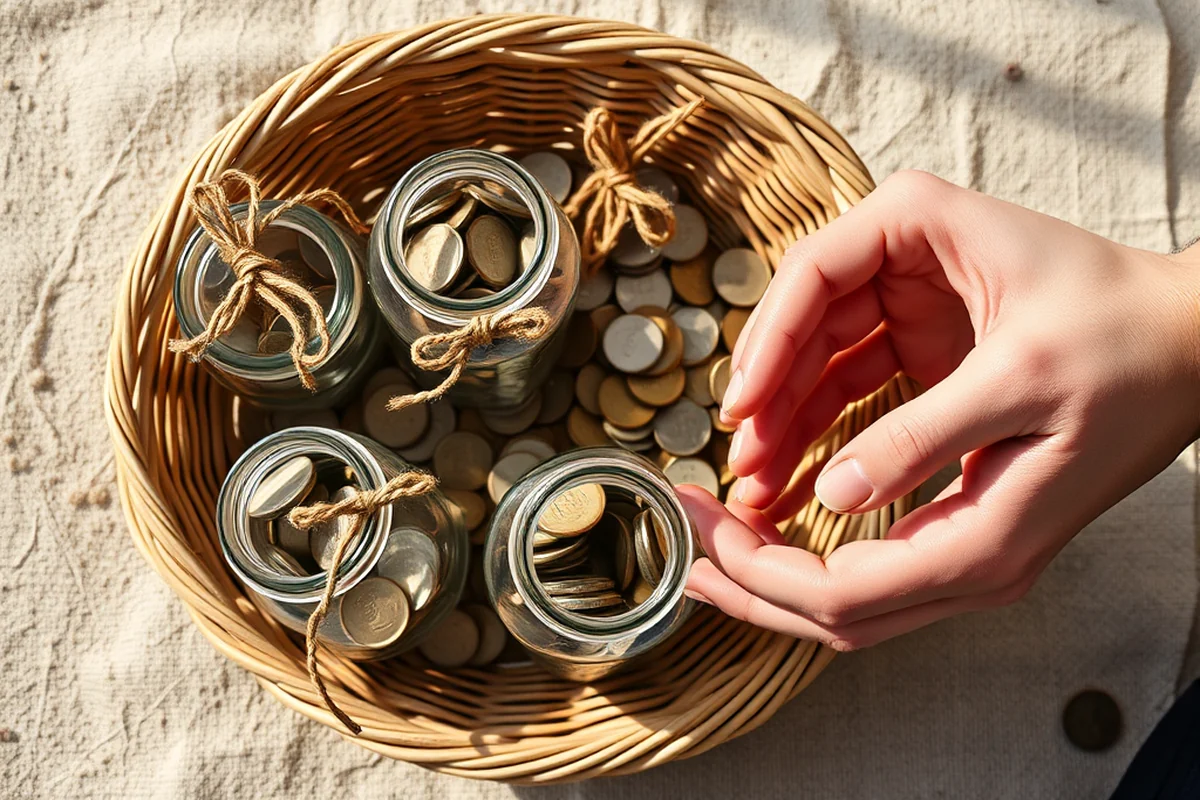
I used to feel anxious about money because I was always worried about not having enough. But once I started saving consistently, I noticed a significant reduction in my stress levels. The peace of mind that comes from knowing you have a financial safety net is invaluable.
I’ve also found that saving money gives me a sense of control over my life. Whether it’s saving for a future trip or preparing for an emergency, it allows me to plan ahead with confidence. This has made me more focused and productive in both my work and personal life.
The psychological benefits of saving money go beyond just financial stability — they can improve your overall happiness and reduce anxiety about the future.
Related: Saving money with
The Impact of Digital Nomad Lifestyle on Spending Habits
When I first moved to Thailand, I was shocked by the cost of living. I had assumed it would be much cheaper than my home country, but I quickly realized that while some things were inexpensive, others — like internet and coworking spaces — could be expensive. This forced me to be more mindful of my spending.
I discovered that many digital nomads tend to spend more on experiences than on material items. That’s not necessarily a bad thing, but it can affect your budget if not managed carefully. I now set a monthly limit for experiences and stick to it to avoid overspending.
Understanding the unique spending patterns of digital nomads has helped me create a more realistic budget that takes into account the costs of travel, accommodation, and internet.
Related: Saving money for kids future
The Long-Term Benefits of Consistent Saving
I used to think that saving small amounts wouldn’t make a difference. But after a few years of consistently saving, I saw the power of compound interest. Even a small monthly contribution can grow into a substantial amount over time.
For example, if I save $200 a month and earn an average return of 7%, after 10 years, that would be over $35,000. That’s a life-changing amount that I could use for future travel, emergencies, or even starting a business.
The long-term benefits of saving money are undeniable. Whether it’s for retirement, a house, or just peace of mind, the earlier you start, the better your financial future will be.
Small savings today become big gains tomorrow.
Related: Saving money as gold
How to Avoid Common Financial Pitfalls
One of the biggest mistakes I made early on was not tracking my expenses. I thought I had a good handle on my money, but it wasn’t until I started using a budgeting app that I saw where my money was really going. Now, I track every dollar to ensure I’m making the best financial decisions.
Another common pitfall is not having an emergency fund. I once had to cancel a trip because I didn’t have savings to cover an unexpected expense. Since then, I’ve made it a priority to build a safety net that can handle any surprises.
Finally, it’s important to avoid debt at all costs. I used to believe that taking on small amounts of debt was manageable, but I quickly learned that even small balances can add up over time. Now, I’m committed to paying off any debt as soon as possible.
The Value of Tracking Your Money in Real Time
I started using a budgeting app that syncs with all my bank accounts and credit cards, and it completely changed how I manage my money. Every time I make a purchase, the app updates my budget instantly, showing me exactly how much I have left for each category. For instance, when I booked a last-minute flight to Bali for $600, the app immediately notified me that I was 25% over my travel budget for the month. This real-time feedback made me rethink my spending decisions and adjust accordingly.
By tracking every expense, I discovered that I was spending about $150 a month on coffee and snacks. After I set a cap of $50, I started bringing my own coffee and eating more meals at home. Within three months, I saved $450, which I used to invest in a low-risk ETF. The key takeaway is that knowing where your money goes is the first step to making intentional financial choices.
Real-time tracking also helps you identify patterns you might not notice otherwise. For example, I noticed that I was spending $200 a month on streaming services, with multiple subscriptions I didn’t use regularly. By consolidating to one service, I cut my costs in half. This small change added up to $1,200 saved over a year, which I used to build an emergency fund. The habit of tracking your money is powerful because it turns abstract numbers into visible, actionable insights.
🧳 Tight Budget for Solo Travelers
Focus on low-cost accommodations, free activities, and using public transport to maximize savings while still enjoying the adventure.
⚡ Aggressive Payoff Strategy
Prioritize high-interest debt first, use automated savings tools, and cut non-essential spending to accelerate your financial goals.
📈 Irregular Income Plan
Use a variable budget that adjusts with your income, save more during high-earning months, and spend less during low-earning periods.
👫 Couples Budgeting Plan
Create shared financial goals, use joint accounts for expenses, and have open communication about spending to ensure both partners are on the same page.
🧭 Beginner's Budgeting Plan
Start with simple budgeting tools, set small savings goals, and track your spending to learn what works best for your lifestyle.
| The mistake | Why it happens | The fix |
|---|---|---|
| Not tracking expenses | Without tracking, it’s easy to spend more than you earn and lose sight of your financial goals. | Use a budgeting app to track every dollar and stay on top of your spending habits. |
| Ignoring emergency savings | Unexpected expenses can quickly derail your financial plan if you don’t have a safety net. | Set aside at least 3-6 months of expenses in an emergency fund to protect yourself from unexpected costs. |
| Living beyond your means | Spending more than you earn can lead to debt and financial instability, especially as a digital nomad with fluctuating income. | Create a realistic budget that reflects your income and stick to it, avoiding unnecessary purchases. |
| Not paying off debt | Carrying debt can lead to high interest costs and long-term financial stress. | Prioritize paying off high-interest debt first and avoid taking on new debt whenever possible. |
Saving Money Vs Spending
Common Questions
How can I start saving money if I have a low income?
What are the best ways to track my spending as a digital nomad?
How can I save money while traveling frequently?
What should I do if I have a lot of debt?
References
- Income & Saving | U.S. Bureau of Economic Analysis (BEA) (bea.gov)
- Save, spend, share, invest: Four ways to use your money — Part 1 (canr.msu.edu)
- Dollar Scholar Asks: Will I Spend Less if I Force Myself to Use Cash? (chibe.upenn.edu)
- 5 Tips on How to Stick to Your Budget - Choose Work! (choosework.ssa.gov)
Cite this guide
Managing Money as a Digital Nomad (2026). Saving Money Vs Spending. https://budgetrove.com/saving-money-vs-spending/
Feel free to cite or share this guide.
Digital Nomad Runway Calculator
Calculates digital nomad financial runway from savings, income and costs.
Open it free →