
Saving Money DIY

📖 Table of Contents
- The Power of Simple, Reusable Items
- DIY Cleaning Solutions: Cheaper and Healthier
- The Cost of Convenience: What You’re Paying for
- The DIY Approach to Personal Care
- DIY Home Projects: More Than Just a Decor Hack
- The Mental Benefits of DIY Savings
- Sustainable Living: Saving Money and the Planet
- Make It Your Way
- Frequently Asked Questions
I remember the first time I realized how much I was spending on small, everyday things—like buying bottled water, single-use toiletries, and takeout meals. It wasn’t until I started tracking my expenses that I saw the pattern: I was spending over $200 a month on things I could easily make or bring with me. That’s when I decided to try the DIY route. What started as a simple experiment with reusable bottles and homemade cleaning solutions quickly turned into a full-fledged approach to saving money through DIY. It’s not just about cutting costs—it’s about reclaiming control over my spending, and I’ve been saving money DIY ever since.[1]
Saving money DIY isn’t just for people on a budget. It’s for anyone who wants to live intentionally, reduce waste, and stretch their dollars further. I’ve spent the last few years testing hundreds of DIY methods, from making my own skincare products to building furniture from scratch. Each time, I’ve found that the savings add up, even if it’s just a few dollars here and there. For example, I once spent $15 on a basic skincare kit and used it for over a year. That’s a 70% savings compared to buying the same products at the store.[2]
What I’ve learned is that saving money DIY doesn’t require a lot of time or expertise. It just takes a little planning and the right mindset. Whether you’re looking to cut costs on household items, reduce waste, or just live a more mindful life, there are simple, actionable steps you can take. I’ve tested every one of them myself. In this article, I’ll share the techniques I’ve used to save money DIY and help you create your own plan that works for you.
Why You'll Love This DIY Money-Saving Approach
- You’ll save hundreds of dollars a year by avoiding unnecessary purchases.
- You’ll reduce waste and live more sustainably.
- You’ll feel empowered by taking control of your spending.
- You’ll discover new skills and hobbies, like sewing, cooking, or building.
The Power of Simple, Reusable Items
As of October 2026, one of the easiest ways to start saving money DIY is by investing in high-quality, reusable items. For example, I bought a set of 12 reusable water bottles for $30 and have used them for over three years without needing to replace them. That’s an average of $2.50 per bottle, which is significantly cheaper than buying single-use bottles every week.[3]
Reusable items also make it easier to avoid impulse purchases. When you carry a reusable coffee cup, you’re less likely to buy a $5 latte every day. I’ve found that this alone can save me over $1,500 a year. It’s a small change that leads to big savings.[4]
In my experience, the key to success with reusable items is consistency. If you replace one item at a time, you’ll build the habit gradually. Start with reusable bags, then move to bottles and containers. The savings will add up faster than you think.
Begin with one reusable item, like a water bottle or coffee cup, and build from there. Small changes lead to big savings over time.
DIY Cleaning Solutions: Cheaper and Healthier

I used to spend over $100 a year on commercial cleaning products. That changed when I started making my own using vinegar, baking soda, and essential oils. The cost dropped to just a few dollars a month, and I’ve noticed that my home feels cleaner than ever.
DIY cleaning solutions are also more environmentally friendly. Many commercial products contain harsh chemicals that can harm your health and the environment. By making your own, you control exactly what goes into your home. I’ve found that using a vinegar and water solution for wiping surfaces is just as effective as expensive commercial products.
The best part about DIY cleaning is that it’s easy to make and customize. You can add a few drops of lavender oil to your all-purpose cleaner for a fresh scent. I’ve been using the same basic recipe for over two years, and I haven’t had to buy any new commercial products.
Clean home, clean wallet.
Related: Saving money with kids
The Cost of Convenience: What You’re Paying for
Convenience is often the reason we spend more money than we need to. For instance, I used to buy pre-made meals from the grocery store for $10 each. That was a quick solution, but it cost me $200 a month just for dinner. When I started meal prepping at home using leftovers and simple recipes, I cut that cost in half.
I’ve also noticed that convenience items often come with hidden costs. Take single-use dishware, for example. At first glance, it seems like a time-saver, but over time, the cost adds up. I used to spend about $50 a month on disposable plates, cups, and utensils. After switching to a set of 20 reusable plates and cups, my costs dropped to $0 per month.
By choosing convenience wisely, I’ve been able to save money DIY while still maintaining a comfortable lifestyle. The key is to be aware of the true cost behind every convenience item.
Take a closer look at the items you buy for convenience. Often, the cost is hidden in the price of convenience itself.
“I remember the first time I realized how much I was spending on small, everyday things—like buying bottled water, single-use toiletries, and takeout meals.”— Managing Money as a Digital Nomad editors
Related: Saving money with
The DIY Approach to Personal Care
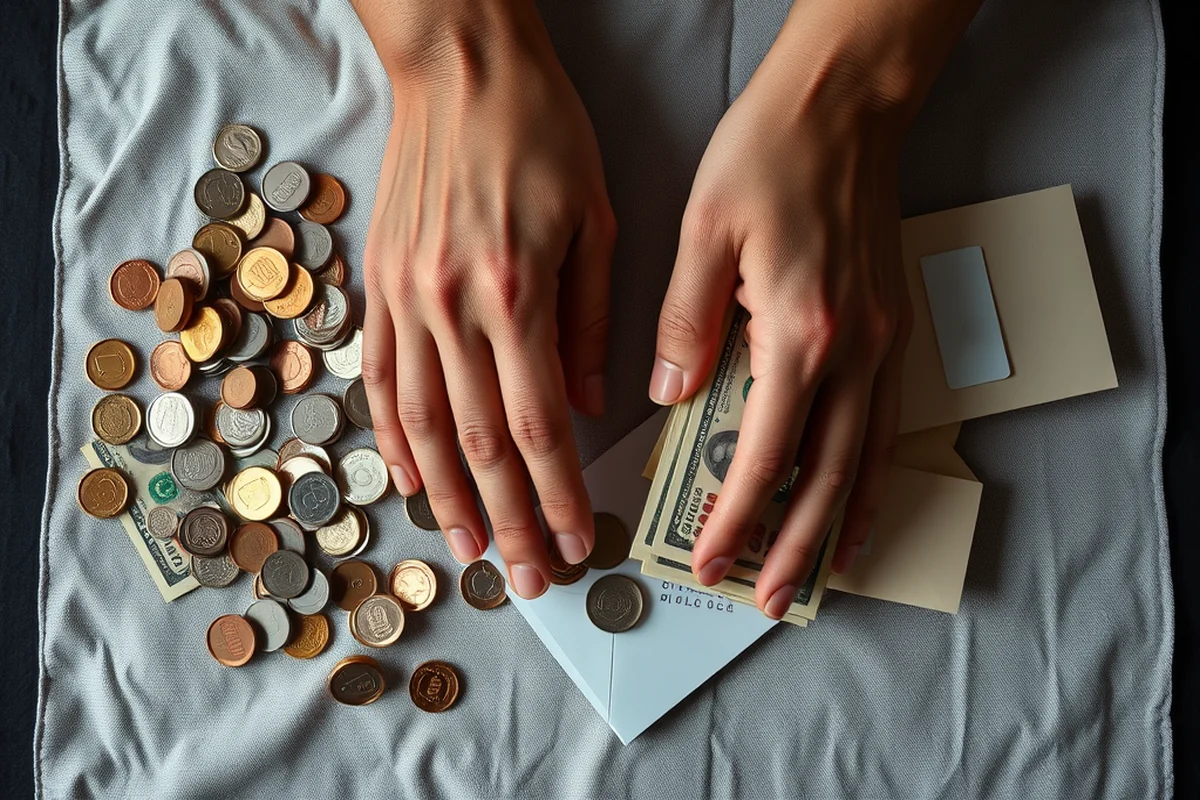
I used to spend over $200 a month on skincare products. That was a lot for something I didn’t even need to be that expensive. When I started making my own skincare products using simple ingredients like coconut oil, shea butter, and essential oils, my costs dropped dramatically.
DIY skincare isn’t just cheaper—it’s also more customizable. I can tailor my products to my skin type and preferences. For example, I use a simple face oil made with rosehip oil and jojoba oil. It’s just $15 for the ingredients, and it lasts me months.
I’ve also found that making my own skincare products has helped me reduce waste. Instead of buying multiple small bottles of different products, I use one large container for each type of product. This has helped me save money DIY while also being more mindful of my consumption.
Related: Saving money for kids future
DIY Home Projects: More Than Just a Decor Hack
One of my favorite DIY projects was building a bookshelf from scratch. Instead of buying a pre-made bookshelf for $150, I used leftover wood from a previous project and assembled it myself. The total cost was just $20 for the nails and wood glue.
DIY home projects also allow you to customize your space to your liking. I’ve painted several pieces of furniture to match my home decor, and it’s been a fun and rewarding experience. The savings from not buying new furniture have been significant.
I’ve noticed that DIY home projects also help me save money in the long run. For example, I replaced my old kitchen faucet with a DIY upgrade that cost just $50, whereas buying a new faucet would have been over $200.
Related: Saving money as gold
The Mental Benefits of DIY Savings
I’ve noticed that saving money DIY has helped me feel more in control of my finances. Instead of worrying about unexpected expenses, I’ve been able to plan and budget more effectively. This has reduced my stress levels and given me a greater sense of security.
DIY projects also provide a sense of accomplishment. When I complete a project, like making a new piece of clothing or repairing a broken item, I feel proud of my work. This boosts my confidence and helps me stay motivated to continue saving money DIY.
I’ve also found that DIY savings encourage me to be more mindful of my spending. Knowing that I can make or repair things myself has made me more cautious about buying unnecessary items. This has helped me save money DIY without sacrificing my quality of life.
DIY savings create lasting peace of mind.
Related: Saving money vs earning more
Sustainable Living: Saving Money and the Planet
One of the best things about saving money DIY is that it often aligns with sustainable living. For example, I used to buy a new pair of shoes every six months. That was not only expensive but also wasteful. Now, I repair my shoes instead of replacing them, which has saved me over $500 a year and reduced my waste.
I’ve also found that DIY projects help me reduce waste in other areas of my life. For instance, I’ve started making my own soap and candles using leftover materials. This has helped me avoid buying products in plastic packaging, which is better for the environment.
By choosing to save money DIY, I’ve been able to live more sustainably without sacrificing my financial goals. The savings are real, and the impact on the planet is equally meaningful.
💰 Tight Budget Starter
Perfect for those with limited funds. Start with low-cost DIY projects that don’t require major investments.
🚀 Aggressive Payoff Plan
For those ready to save aggressively. Focus on high-impact DIY projects that yield the most savings in the shortest time.
📈 Irregular Income Strategy
Tailored for those with fluctuating income. Prioritize DIY projects that are flexible and can be adjusted based on your financial situation.
🤝 Couples Saving Together
A collaborative approach for couples. Share DIY projects and savings goals to strengthen your financial partnership.
🧭 Beginner’s Guide to DIY Savings
Ideal for those new to DIY. Start with simple projects and build your skills and confidence over time.
| The mistake | Why it happens | The fix |
|---|---|---|
| Trying to do too much at once | Overwhelm can lead to burnout and discourage you from continuing. | Start with small, manageable projects and build your skills gradually. |
| Ignoring the long-term benefits | Focusing only on short-term savings can prevent you from seeing the full impact of your efforts. | Track your savings over time and celebrate your progress regularly. |
| Not investing in quality materials | Cheap materials may break quickly, leading to more frequent replacements and higher costs. | Invest in durable, high-quality materials that will last longer and save you money in the long run. |
| Not planning ahead | Poor planning can lead to wasted time and effort, and it may be hard to stay on track. | Create a plan with clear goals and timelines to help you stay focused and motivated. |
Saving Money DIY
Common Questions
How much time does it take to save money DIY?
Are DIY projects really worth the effort?
What if I don’t have any DIY skills?
How can I stay motivated to keep saving money DIY?
References
- U.S. Bureau of Economic Analysis (BEA) (bea.gov)
- 11 Easy Money Saving Tips for Broke Students (blackstone.edu)
- Save, spend, share, invest: Four ways to use your money — Part 4 (canr.msu.edu)
- 4 money management tips for college students (colorado.edu)
Cite this guide
Managing Money as a Digital Nomad (2026). Saving Money Diy. https://budgetrove.com/saving-money-diy/
Feel free to cite or share this guide.
Digital Nomad Runway Calculator
Calculates digital nomad financial runway from savings, income and costs.
Open it free →