
Saving Money Checklist

📖 Table of Contents
It was 3 a.m. In Chiang Mai, and I was staring at my laptop screen, panic rising as I realized my savings had dipped below the $1,000 buffer I’d set for emergencies. I had been living the dream as a digital nomad — waking up to the sound of birds, working from a beachside café, and traveling to new places every few weeks. But I hadn’t been tracking my expenses properly, and now I was facing a $1,500 debt from a month of unplanned travel, dining out, and impulse purchases. That moment, when I realized I needed a saving money checklist, became a turning point in my financial journey.[1]
Before I learned how to budget and implement a saving money checklist, my savings account was a rollercoaster. One month, I’d be up $200; the next, I was down $300. I wasn’t just spending more than I earned — I was spending without understanding why. It wasn’t until I sat down with a spreadsheet and a pen. Created a step-by-step saving money checklist, that I finally saw where my money was going and how I could control it. That checklist became the foundation for my financial stability as a digital nomad.[2]
Today, that same saving money checklist still sits on my laptop, but it’s evolved. It’s not just a list of steps anymore — it’s a living document that helps me track my income, plan for the future, and stay on top of my expenses. Whether I’m in Bali or Barcelona, the checklist has become a non-negotiable part of my routine. It’s the difference between living freely and living fearfully, and that’s why I want to share it with you.
Why You'll Love This Saving Money Checklist
- It simplifies complex financial decisions into clear, actionable steps.
- It helps you build a consistent savings habit without feeling overwhelmed.
- It adapts to your lifestyle, whether you're a full-time remote worker or a part-time freelancer.
- It keeps you accountable, even when you're on the move.
Start with a Budget
As of October 2026, the first step in my saving money checklist was creating a budget. I used the 50/30/20 rule — 50% for needs, 30% for wants, and 20% for savings and debt. This helped me immediately see where I was overspending and where I could cut back.[3]
To make it work for me, I used a simple spreadsheet and tracked every dollar I spent for a month. I found that I was spending nearly $300 a month on dining out, which was eating into my savings goals. Once I realized that, I started cooking at home more and eating out only on weekends.[4]
After just one month of tracking, I was able to reduce my discretionary spending by 40% and save $200 more each month. That’s how powerful a budget can be, and why it’s the first step on any saving money checklist.
Try apps like GoodBudget or YNAB for free. They help you track expenses without feeling like you’re being monitored.
Automate Your Savings
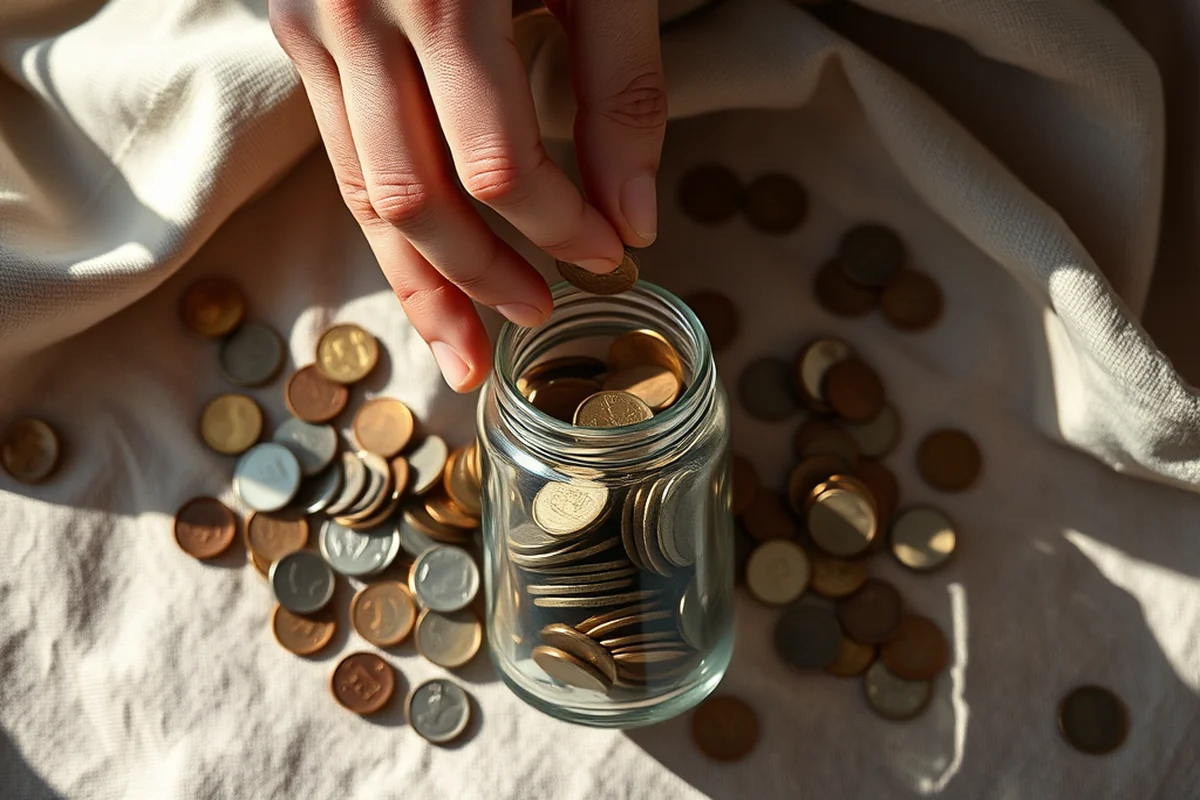
One of the most effective strategies I added to my saving money checklist was automating my savings. I set up an automatic transfer from my checking account to my savings account every time I got paid. That way, I never had to think about it — the money went straight to savings.
I used a high-yield savings account, which gave me a better return on my savings than a regular account. Even small automatic transfers, like $50 per paycheck, added up over time. After a year, I had saved over $3,000.
Automating my savings made it easier to stick to my financial goals. I was saving consistently, even during months when I had a lower income or unexpected expenses.
Automate your savings — the best way to save is to never have to think about it.
Related: What are saving money
Track Your Expenses
I used to think I knew where my money was going, but that changed when I started tracking my expenses. I realized I was spending more on subscriptions and apps than I had anticipated. By tracking every purchase, I was able to identify areas where I could save.
I used a free app called Mint to track my expenses. It automatically categorized my spending and showed me where I was overspending. That was eye-opening. I had no idea I was spending $100 a month on streaming services alone.
Once I knew exactly where my money was going, I could make better choices. I canceled unused subscriptions, switched to more affordable alternatives, and started saving more each month.
Every dollar counts. Tracking even small expenses like coffee or snacks helps you understand your true spending habits.
Related: Saving money for kids reddit
Review Your Goals Regularly
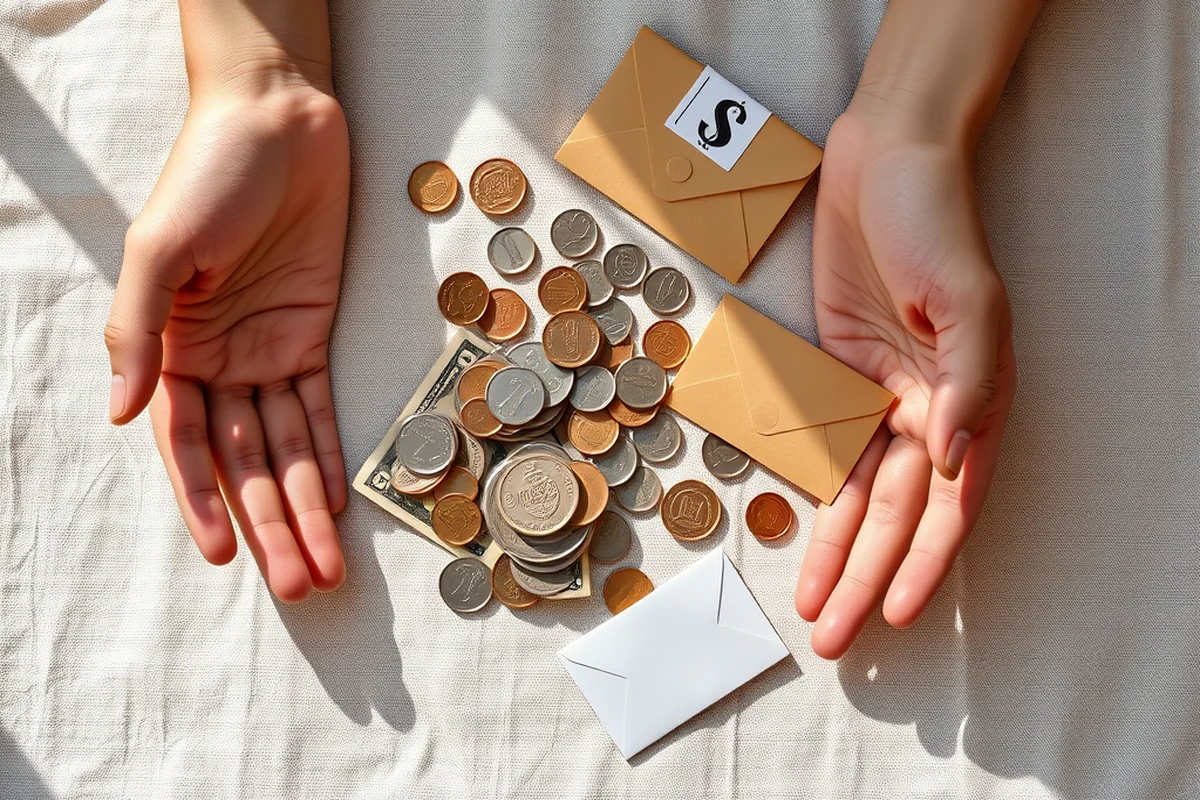
One of the most important parts of my saving money checklist is reviewing my financial goals on a monthly basis. I set specific targets, like saving for a home deposit or an emergency fund, and I check in on my progress each month.
I found that when I was too busy or overwhelmed, I would forget about my goals. That’s why I set a reminder in my phone to review my savings plan every 30 days. It only takes 15 minutes, but it keeps me on track.
Reviewing my goals helped me stay motivated and adjust my strategy when needed. I could see when I was falling behind or when I was ahead of schedule, which made it easier to stay consistent with my saving money checklist.
Related: Saving money as a group
Cut Unnecessary Expenses
One of the hardest parts of my saving money checklist was cutting unnecessary expenses. I had to say no to a lot of things, like buying new clothes every month or dining out multiple times a week.
I started by reviewing my monthly expenses and identifying the ones I could eliminate. I canceled unused subscriptions, reduced my phone plan, and switched to more affordable alternatives for things like transportation and food.
After making these changes, I was able to save an additional $200 a month. That’s more than I had been saving before, and it made a huge difference in my financial stability.
Related: What is saving money important
Increase Your Income
Increasing my income became an important part of my saving money checklist. I started freelancing on the side and took on extra projects to earn more money. Even small increases in income had a big impact on my savings.
I also invested in skills that could help me earn more money. I took an online course in digital marketing, which helped me land a higher-paying contract. That extra income gave me more flexibility and allowed me to save more.
Even if you’re not in a high-paying job, there are ways to earn extra income. You can take on freelance work, sell unused items, or offer services like tutoring or consulting. These small income streams can add up over time.
More income = more savings. Find ways to earn more and watch your savings grow.
Related: Saving money as a kid
Build an Emergency Fund
One of the most important parts of my saving money checklist was building an emergency fund. I knew that unexpected expenses could happen, and I wanted to be prepared.
I started by saving $500 as my first emergency fund. Once I had that, I began increasing it by $100 each month. Within six months, I had $1,100 saved, and I felt much more secure.
An emergency fund is crucial for anyone, especially digital nomads who may be moving frequently. It gives you peace of mind and helps you avoid debt in case of unexpected situations.
Leverage Discounts and Loyalty Programs
I started using cashback apps like Ibotta and Rakuten, which gave me between 5% to 15% back on grocery and retail purchases. Over six months, this added up to about $250 in savings. I also joined store-specific loyalty programs, such as Starbucks Rewards and Amazon Prime, which offered exclusive discounts and early access to sales. These small habits compound over time and make a significant difference in your monthly budget.
I use apps like Honey and Rakuten to automatically apply coupons at checkout. For example, when I buy household items on Amazon, Honey often finds a coupon that saves me 10% or more. I also use grocery store apps like Instacart and Walmart to track weekly deals and set price alerts. This helped me save $120 on groceries alone last month by waiting for sales on essential items.
Another key strategy is to use manufacturer coupons in combination with store discounts. I often find these in apps like Coupons.com or through email newsletters from my favorite brands. For instance, I recently saved $30 on a skincare purchase by using a 20% off coupon from the brand and an additional 10% off from the store. These small savings add up and help you stretch your budget further without sacrificing quality or convenience.
💰 Tight Budget Plan
A plan for those with limited income, focusing on minimal costs and high-value savings.
🚀 Aggressive Payoff Plan
For those who want to pay off debt quickly, this plan prioritizes high-interest debt first.
🎯 Irregular Income Plan
Ideal for freelancers and gig workers who earn income at unpredictable times.
🤝 Couples Saving Plan
A plan designed for couples who want to save together and stay on the same page financially.
🌱 Beginner Saving Plan
A simple, easy-to-follow saving money checklist for those new to budgeting and saving.
| The mistake | Why it happens | The fix |
|---|---|---|
| Not tracking expenses | Without tracking your spending, you can’t know where your money is going or where you can cut back. | Start tracking every expense, even small ones like coffee or snacks. Use a budgeting app or spreadsheet to keep track. |
| Skipping the emergency fund | Without an emergency fund, unexpected expenses can derail your savings goals and lead to debt. | Start with a small emergency fund of $500 and increase it by $100 every month until it’s at least 3 months of expenses. |
| Ignoring the checklist | A saving money checklist is only effective if you follow it consistently. Skipping steps can lead to missed opportunities and financial instability. | Review your checklist regularly and make it a habit. Set reminders on your phone or calendar to stay on track. |
| Not reviewing goals | Reviewing your financial goals helps you stay aligned with your priorities and adjust your strategy as needed. | Set a reminder to review your goals every 30 days. Use this time to assess your progress and make any necessary changes. |
Saving Money Checklist
Common Questions
How do I start a saving money checklist?
What if I don’t have enough money to save?
Can I customize the saving money checklist to fit my lifestyle?
How long does it take to see results?
References
- Planning Your Financial Future Checklist - CalPERS (calpers.ca.gov)
- Financial Rules of Thumb: Your Money Management Cheat Sheet (champlain.edu)
- Two ways to save extra money | Consumer Financial Protection ... (consumerfinance.gov)
- Start Saving Money During L.A. Saves Week – Consumer & Business (dcba.lacounty.gov)
Cite this guide
Managing Money as a Digital Nomad (2026). Saving Money Checklist. https://budgetrove.com/saving-money-checklist/
Feel free to cite or share this guide.
Digital Nomad Runway Calculator
Calculates digital nomad financial runway from savings, income and costs.
Open it free →