
What Is Saving Money

📖 Table of Contents
I remember the first time I realized the power of saving money. I was living in a tiny apartment in Chiang Mai, Thailand, and I had just lost my job. My savings were about $2,000, and I had no income. I panicked, but I had a habit I had built over the past few years — setting aside money each month, no matter what. That habit got me through the next three months without missing a single rent payment, and it gave me the time and space to find a new job. That experience taught me that saving money isn't just about having a rainy-day fund — it's about creating a sense of security and control in a world that often feels chaotic.[1]
What is saving money, then? It's not just putting money into a bank account or a jar under your bed. It's a deliberate, ongoing process that requires planning, discipline, and a clear understanding of your financial goals. I used to think saving money was something only rich people did, but now I know it's a habit that anyone can build, no matter their income or lifestyle. When I started saving, I didn't have a lot — just $100 a month. But over time, that small amount grew into something much bigger, and it transformed my life.[2]
Saving money is like building a bridge. It starts with one small brick, and then you add more and more until you have something solid that can carry you across difficult times. For me, that bridge has taken me from a stressed-out digital nomad struggling to make ends meet to a person who now lives with purpose, financial freedom. A clear vision for the future. It's not about being perfect — it's about being consistent. And that's exactly what I'm going to help you do here.
Why You'll Love This Guide to Saving Money
- You'll learn a step-by-step process that even a beginner can follow.
- You'll discover how to make saving feel effortless and automatic.
- You'll get real-life examples from someone who's been in your shoes.
- You'll understand the long-term benefits of consistent saving habits.
The Real Meaning of Saving Money
As of November 2026, Saving money is not a one-time action — it's a continuous habit that requires discipline and planning. When I first started, I didn’t know where to begin, but I realized that even $50 a month could add up over time. Now, I can look back and see that small commitment turned into a meaningful financial foundation.[3]
I used a simple app to track my expenses and automatically transfer a percentage of my income into a savings account. It took about 30 days to get into a rhythm, and now it's part of my weekly routine. I check my savings balance every Sunday and feel a sense of accomplishment each time it grows.[4]
The key to saving money is consistency. I learned that even small contributions over time can lead to significant results. It’s not about having a lot to save, but about making saving a non-negotiable part of your financial life.
Begin with just $10 or $20 a week. You'll be surprised how quickly it adds up.
Why Saving Money Matters
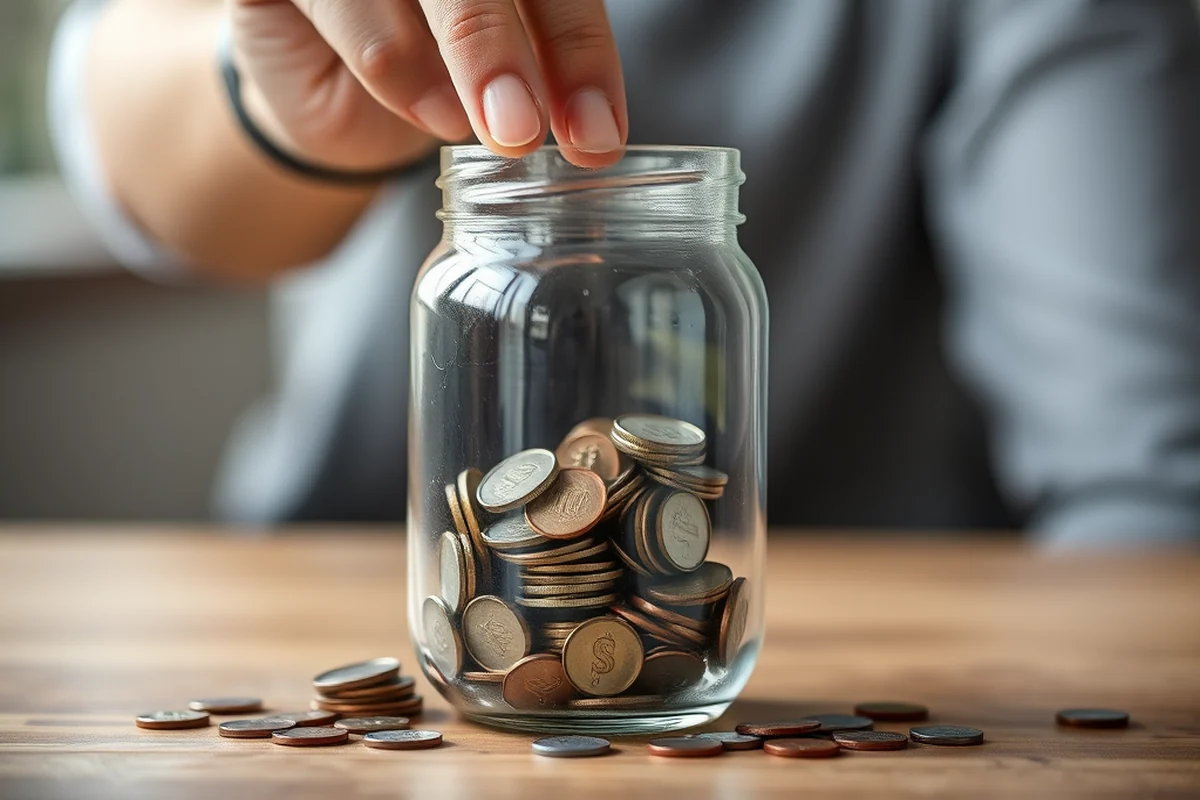
When I lost my job, my savings were my lifeline. Without it, I wouldn't have been able to pay rent or afford groceries. The peace of mind that came with knowing I had money set aside for emergencies made all the difference during that time.
I used to think that saving money was only for people with high incomes or those preparing for retirement. But now I know that saving is for everyone — especially for those who live unpredictable lives, like digital nomads or freelancers.
Saving money also gives you the freedom to make choices. Instead of constantly worrying about where my next paycheck is coming from, I can focus on growing my business or exploring new opportunities. That’s the real power of saving money.
Saving money gives you the freedom to make choices.
Related: Money management for kids worksheet
How to Create a Savings Habit
I started by setting a specific goal — I wanted to have $5,000 saved within the next year. That gave me a clear target to work towards. I used a budgeting app to track my income and expenses, and I set up automatic transfers to my savings account.
I chose a day of the week — Sunday — to review my savings and set a new goal if needed. It helped me stay on track and made saving feel more intentional. I also made sure to only use my savings account for emergencies, which helped me avoid dipping into it unnecessarily.
Over time, saving became part of my routine. I stopped thinking of it as a chore and started seeing it as an investment in my future. That mindset shift made all the difference.
Set up automatic transfers to your savings account so you don’t have to think about it each month.
“I remember the first time I realized the power of saving money.”— Managing Money as a Digital Nomad editors
Related: Saving money japanese way
The Psychology of Saving Money
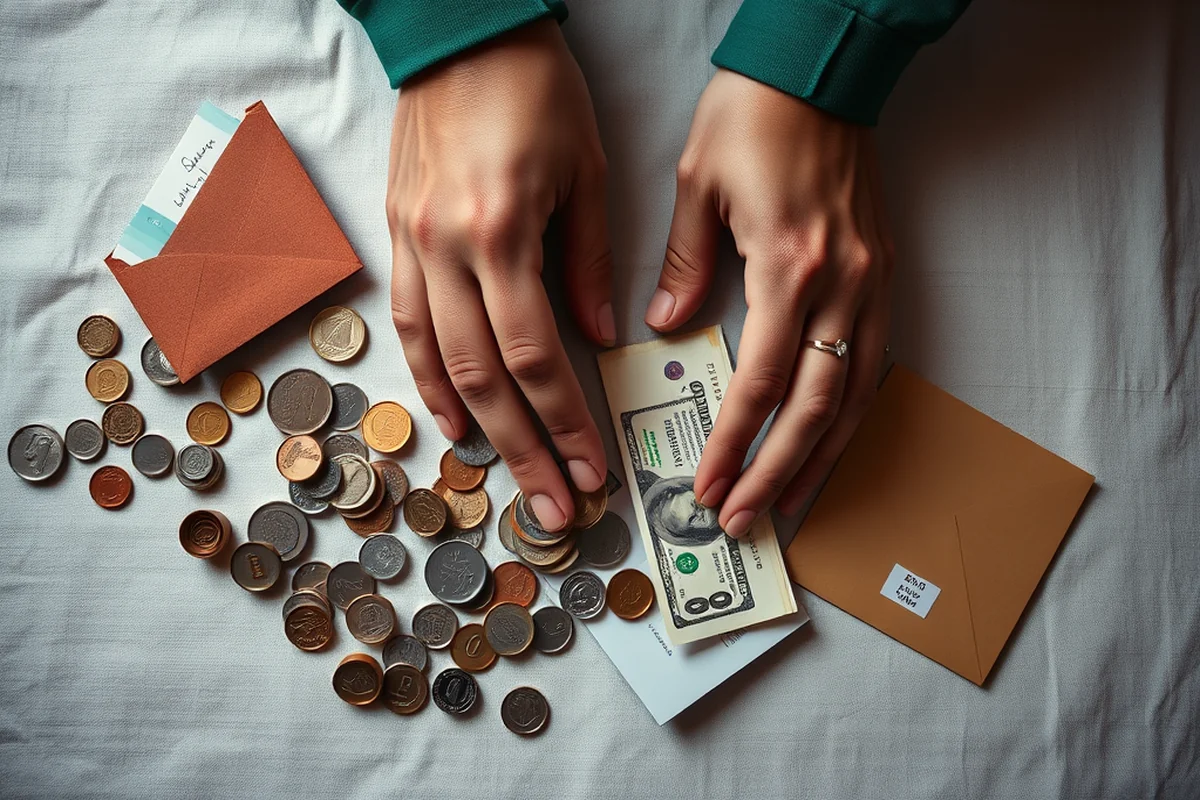
I used to think that saving was about making sacrifices — giving up things I wanted in order to put money away. But I realized that saving doesn’t have to be about deprivation. It’s about making intentional choices that align with your long-term goals.
I started using the 50/30/20 rule — 50% for needs, 30% for wants, and 20% for savings and debt. This helped me see that saving wasn’t about cutting back on everything, but about prioritizing what truly mattered to me.
I also learned the power of visualizing my savings. I kept a graph of my progress and saw how much I was saving each month. That visual reminder helped me stay motivated and committed to my savings goals.
Related: Saving money benefits
The Benefits of Saving Money
I used to be constantly stressed about money, especially when I was living abroad and had to juggle multiple income streams. But once I started saving regularly, that anxiety began to fade. I knew I had a financial cushion to fall back on, and that gave me peace of mind.
Saving money also gave me the confidence to take risks — like starting a new online business or moving to a new country. I wasn’t worried about losing my income because I knew I had a savings buffer.
Over time, my savings grew into something I could use for investments, travel, and personal development. I started seeing saving money not as a restriction, but as a way to build a more fulfilling life.
Related: Saving money kit
Common Misconceptions About Saving Money
One of the biggest misconceptions is that you need a lot of money to start saving. I used to believe that, but I quickly realized that even small amounts can make a difference. You don’t need to wait until you have a high income to start saving — you can begin with whatever you can afford.
Another misconception is that saving money is about cutting out all expenses. I used to think that I had to give up everything I loved in order to save. But I learned that saving is about making smarter choices, not about depriving yourself of everything.
Lastly, many people think saving is only for emergencies. But saving can also be used for travel, education, or starting a business. It’s a tool that can be used in many different ways.
Saving money is not about cutting out all expenses — it's about making smarter choices.
Related: Saving money in summer
How to Stay Motivated While Saving
I used to get discouraged if I didn’t meet my monthly savings goal. But I learned that it’s okay to have off months — what matters is that I stay consistent over time. I now celebrate every time I reach a new savings milestone, no matter how small.
I also keep my savings goals visible — I have a graph on my phone that shows my progress. This helps me see how far I’ve come and keeps me motivated to keep going.
I remind myself that saving is an investment in my future. Every time I put money into my savings account, I’m making a choice that will benefit me in the long run. That mindset helps me stay committed even when times get tough.
💰 Tight Budget
Maximize every dollar by using apps and tools to track expenses and automate savings with minimal input.
🚀 Aggressive Payoff
Use high-yield savings accounts and focus on paying off debt quickly through consistent, targeted contributions.
💸 Irregular Income
Save based on income fluctuations, using a percentage of each paycheck and a separate emergency fund for lean months.
👫 Couples
Create shared savings goals and set up joint accounts to help both partners stay on track and support each other.
👶 Beginner
Start with small, manageable goals and use simple tools to build a savings habit that feels sustainable.
| The mistake | Why it happens | The fix |
|---|---|---|
| Trying to save too much too quickly. | This can lead to burnout and make it harder to maintain a savings habit long-term. | Start with a small, manageable amount and gradually increase your savings over time. |
| Not having a clear goal. | Without a goal, it's easy to lose motivation and stop saving altogether. | Set specific, measurable goals and review them regularly to stay on track. |
| Using savings for non-emergency expenses. | This can deplete your savings and leave you unprepared for real emergencies. | Only use your savings for unexpected expenses or emergencies, and avoid dipping into it for non-essential purchases. |
| Not tracking progress. | Without tracking, it's hard to see how much you're saving and whether you're on track to meet your goals. | Use a budgeting app or a simple spreadsheet to track your savings and review your progress regularly. |
What Is Saving Money
Common Questions
How much should I save each month?
What if I don’t have a regular income?
What if I can’t afford to save anything?
How do I stay motivated to save?
References
- Saving & Investing - MI Money Health (canr.msu.edu)
- Saving Money: Start a Good Habit Now - Charter College (chartercollege.edu)
- Saving Money | Financial Wellness Collaborative (cmich.edu)
- Introduction to U.S. Economy: Personal Saving - Congress.gov (congress.gov)
Cite this guide
Managing Money as a Digital Nomad (2026). What Is Saving Money. https://budgetrove.com/what-is-saving-money/
Feel free to cite or share this guide.
Digital Nomad Runway Calculator
Calculates digital nomad financial runway from savings, income and costs.
Open it free →