
Managing Money In Spanish

📖 Table of Contents
- Why Knowing Spanish Helps With Financial Management
- Opening a Bank Account in Spanish-Speaking Countries
- Understanding Local Tax Systems
- Paying Bills and Managing Expenses in Spanish
- Managing Money While Traveling in Spanish-Speaking Countries
- Using Local Financial Apps and Services
- Building a Financial Routine in Spanish-Speaking Countries
- Make It Your Way
- Frequently Asked Questions
I remember the first time I walked into a bank in Spain and realized I couldn’t ask the teller how to open an account without a translator. My heart sank. I had moved to Seville for work, thinking I’d handle the finances on my own. Within days, I was overwhelmed by the unfamiliar banking system, the local language, and the pressure to manage my money without a safety net. Managing money in Spanish felt like a foreign language, one I had no idea how to navigate.
That experience taught me a lesson I never forget. Managing money in Spanish isn’t just about knowing the language—it’s about understanding the culture, the systems, and the nuances that make financial planning in a foreign country both challenging and rewarding. I spent weeks learning the right phrases, memorizing account numbers, and figuring out how to pay rent in euros without looking like a tourist. It wasn’t easy, but I made it through, and now I want to help others avoid the same struggle.[1]
Today, I walk into banks with confidence. I can open accounts, pay bills, and even negotiate loan terms without a translator. Managing money in Spanish has become second nature, and it’s a skill I use daily as a digital nomad. Whether you’re in Barcelona or Buenos Aires, knowing how to handle your finances in the local language is a game-changer. I’m here to walk you through it step by step.[2]
Why You'll Love This Approach to Managing Money in Spanish
- You’ll feel more confident in your financial dealings with locals.
- You’ll avoid expensive translation errors and misunderstandings.
- You’ll save time and money by handling your own banking without a middleman.
- You’ll become more independent and self-reliant in your financial life.
Why Knowing Spanish Helps With Financial Management
As of October 2026, when I first arrived in Seville, I didn’t know how to say 'credit card' or 'tax return' in Spanish. That made it nearly impossible to get things done. I remember one time when I tried to pay a utility bill with an English-labeled form and ended up being charged twice by mistake. It was a costly error, but it was also a wake-up call.
Now, I can handle all my financial tasks in Spanish without hesitation. I can read my bank statements, understand local tax forms, and even negotiate with service providers if needed. The confidence it brings is immeasurable. I’ve saved thousands of dollars by avoiding translation errors and misunderstandings.
Knowing Spanish isn’t just about communication—it’s about control. When you’re fluent, you’re not at the mercy of translators or confused by unfamiliar systems. It’s a skill that pays off every single day.
Start by learning basic financial terms like 'cuenta corriente' (checking account), 'tarjeta de crédito' (credit card), and 'transferencia' (transfer). Use language apps or watch Spanish finance videos to build your vocabulary.
Opening a Bank Account in Spanish-Speaking Countries
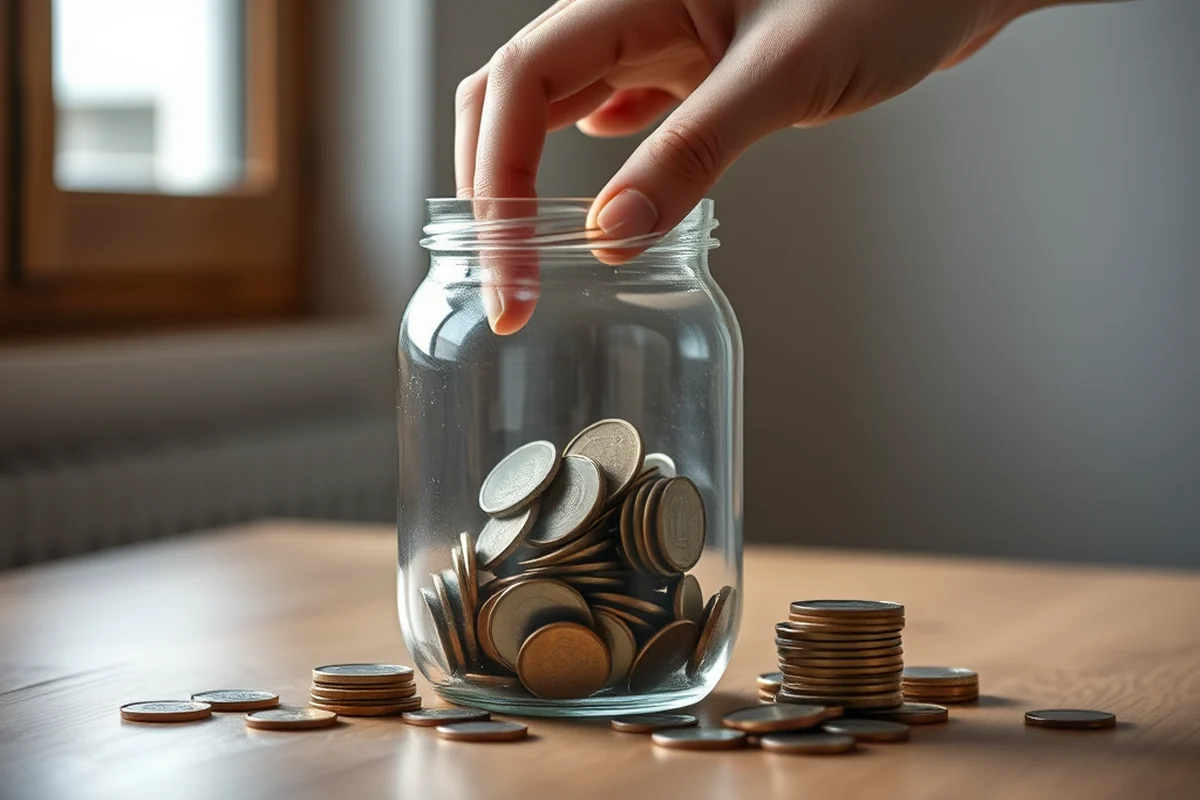
When I opened my first bank account in Spain, I was nervous. I had to provide my passport, proof of address, and complete a form that I barely understood. It felt overwhelming, but I took it one step at a time. I asked the bank teller questions in Spanish and was surprised how helpful she was.
Now, I know the process inside out. You’ll need your passport, a local address (which can be your hotel or a registered rental), and sometimes a minimum deposit. The bank will ask for your 'código de cliente' (customer code) and you’ll have to wait a few days for your card to arrive.
The key is to be prepared. Bring all required documents, speak clearly, and don’t be afraid to ask for help. You’ll be shocked how much easier it is once you get the hang of it.
Opening a bank account in a Spanish-speaking country is the first step to financial independence abroad.
Related: Cash management problems and solutions
Understanding Local Tax Systems
I remember my first tax return in Spain. I had to fill out a form called the 'Declaración de la Renta' in Spanish, and I had no idea how it worked. I filled it out in English and submitted it, only to get a call from the tax office asking for clarification. It was a stressful situation, but it taught me the importance of understanding the local system.
In Spain, for example, you’re required to file a tax return if you earn more than a certain amount. You’ll need to understand terms like 'renta imponible' (taxable income) and 'deducciones' (deductions). If you’re a digital nomad, you might be eligible for certain exemptions or special tax treatments.
The best way to handle this is to study the local tax forms and consult with a Spanish-speaking financial advisor if needed. It’s worth the time and effort to avoid any legal or financial issues down the line.
Check the official website of the tax authority in your host country. In Spain, this is the 'Agencia Tributaria'. They often have English translations and guides for expatriates and digital nomads.
“I remember the first time I walked into a bank in Spain and realized I couldn’t ask the teller how to open an account without…”— Managing Money as a Digital Nomad editors
Related: What is money management in hindi
Paying Bills and Managing Expenses in Spanish
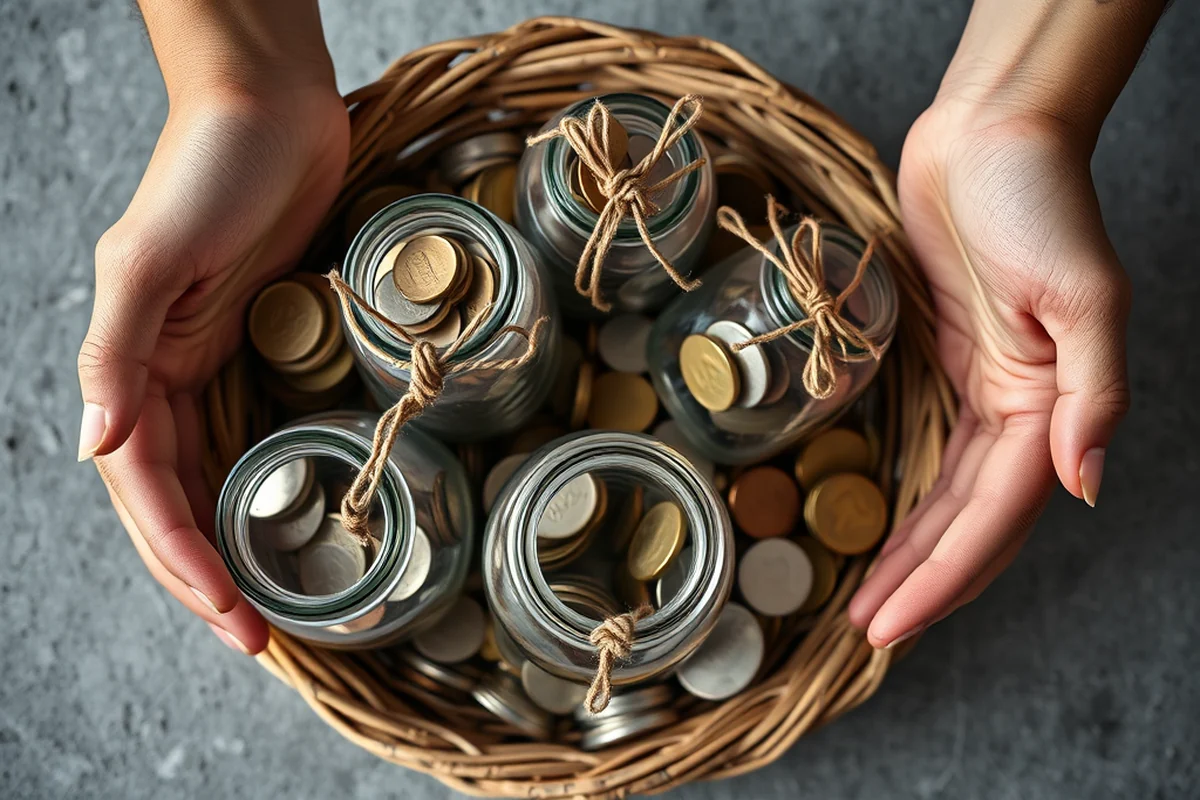
When I first started paying my bills in Spain, I would get confused by the wording on the envelopes and the terms used in the payment forms. I once sent a payment to the wrong utility company because I misread the company name in Spanish. It was a small mistake, but it cost me time and effort.
Now, I understand the process. You can pay your bills through your bank’s online portal, in person at the service provider’s office, or through apps like 'Movistar' or 'Endesa'. The key is to read the instructions carefully and double-check the recipient’s details.
With time, paying bills becomes second nature. You’ll learn the right phrases, know where to send money, and even save time by using online payment systems. It’s a small but important part of managing your money in Spanish.
Related: Money management help near me
Managing Money While Traveling in Spanish-Speaking Countries
When I travel within Spain and Latin America, I always carry cash in local currency and use my credit card for larger purchases. I’ve learned that some places don’t accept foreign cards, and cash is king in small towns. I’ve also had to deal with high currency conversion fees when using my US dollar card, which I now avoid by using local banks for cash withdrawals.
I use a budgeting app called 'Monefy' to track my spending in real-time. It helps me see where my money is going and stay within my limits. I also keep my savings in a high-interest savings account with a local bank, which gives me more flexibility when I’m on the go.
The best way to manage your money while traveling is to have a clear budget, track your spending, and use local banks and payment systems. It’s the only way to stay in control of your finances while exploring new places.
Related: Managing his money
Using Local Financial Apps and Services
In Spain, I’ve found that using the local banking apps like 'BBVA' or 'Santander' is much more efficient than relying on international banks. These apps offer real-time transaction updates, budgeting tools, and even chat support in Spanish.
I also use apps like 'Wise' to send money to family or friends back home. It’s much cheaper and faster than using traditional banks, and the fees are transparent. I’ve saved hundreds of dollars by using these services instead of my home country’s banks.
The key is to find apps and services that are trusted and widely used. It’s a small but important step in managing your money efficiently while living in a Spanish-speaking country.
Use local financial apps to save money and stay in control of your finances abroad.
Related: Financial management problems
Building a Financial Routine in Spanish-Speaking Countries
I’ve built a financial routine that works for me: I pay my bills every week, review my bank statements every two weeks, and check my savings account every month. This helps me stay on top of my finances and avoid any surprises.
I also set aside a portion of my income for emergencies and travel. I keep this in a high-interest savings account with a local bank. It’s a small habit, but it’s made a big difference in my financial stability.
The best way to build a financial routine is to be consistent. Set up automatic payments, track your spending, and review your finances regularly. It’s the only way to stay in control of your money while living in a Spanish-speaking country.
💰 Tight Budget
Ideal for those on a tight budget, focusing on essential expenses and minimal banking costs.
📈 Aggressive Payoff
Best for those looking to pay off debt quickly using high-yield savings and local financial tools.
💸 Irregular Income
Suited for digital nomads or freelancers with an irregular income, using local banking and apps for flexibility.
👫 Couples
Tailored for couples managing joint finances in Spanish-speaking countries, using shared accounts and budgeting apps.
🎓 Beginner
Perfect for beginners learning to manage money in Spanish with clear, step-by-step guidance.
| The mistake | Why it happens | The fix |
|---|---|---|
| Using your home country’s bank for all transactions | It’s often more expensive and less convenient. Local banks and financial apps tend to offer better rates and more features. | Use local banks and financial apps for your daily transactions and savings. |
| Not understanding local tax laws | It can lead to legal or financial issues, such as incorrect tax filings or missed deductions. | Study the local tax laws or consult with a Spanish-speaking financial advisor. |
| Not using local financial apps | You may miss out on better rates, real-time updates, and budgeting tools. | Explore and use local financial apps like 'BBVA' or 'Wise' for better financial management. |
| Ignoring the importance of a financial routine | You may end up overspending, missing payments, or not saving enough for emergencies. | Build a consistent financial routine by setting up automatic payments and reviewing your finances regularly. |
Managing Money In Spanish
Common Questions
Can I use my home country’s bank while living in a Spanish-speaking country?
Do I need to know Spanish to open a bank account?
How do I pay bills in Spanish-speaking countries?
What are the tax implications for digital nomads in Spanish-speaking countries?
References
- Spanish-Speaking Parking Study Focus Group - the City of Cambridge (cambridgema.gov)
- The Tanda: An Informal Financial Practice at the Intersection ... - PMC (pmc.ncbi.nlm.nih.gov)
Cite this guide
Managing Money as a Digital Nomad (2026). Managing Money In Spanish. https://budgetrove.com/managing-money-in-spanish/
Feel free to cite or share this guide.
Digital Nomad Runway Calculator
Calculates digital nomad financial runway from savings, income and costs.
Open it free →