What Are Digital Assets
📖 Table of Contents
- What Are Digital Assets and Why They Matter
- Types of Digital Assets You Should Know About
- How to Secure Your Digital Assets
- Growing Your Digital Assets Through Investment
- Monetizing Your Digital Assets
- The Risks of Ignoring Your Digital Assets
- Leveraging Your Digital Assets for Financial Freedom
- The Hidden Costs of Managing Digital Assets
- Make It Your Way
- Frequently Asked Questions
I remember the first time I heard the term 'digital assets' — it felt like a buzzword, something vague and distant. I was working remotely from Bali, trying to get my finances in order, and I kept running into this phrase that seemed to pop up everywhere. It wasn’t until I sat down with my financial advisor, who walked me through the concept, that I realized how central digital assets were to my financial future.
Digital assets are more than just cryptocurrency or NFTs. They encompass a wide range of digital items that hold value, from online accounts and domain names to digital content and intellectual property. I used to think managing my money meant just tracking bank accounts and credit card balances, but I quickly learned that my digital footprint had a direct impact on my financial health.
Today, I take proactive steps to understand, secure, and grow my digital assets. Whether it’s ensuring my online accounts are protected, managing my digital investments, or even monetizing my content, digital assets are a crucial part of modern personal finance. And it all started with that confusing conversation with my financial advisor.
Why You'll Love This Guide to Digital Assets
- Gain clarity on what exactly counts as a digital asset and how it affects your net worth.
- Discover practical strategies to protect your digital assets from cyber threats and fraud.
- Understand how to grow your digital assets through smart investments and income streams.
- Learn how to leverage your digital assets for long-term financial stability and independence.
What Are Digital Assets and Why They Matter
As of September 2026, Digital assets are any digital items that hold value and can be owned, traded, or used for financial gain. This includes everything from online accounts and domain names to cryptocurrency and digital content. I learned this the hard way when I almost lost access to my online business due to a forgotten password.
In my experience, neglecting digital assets can lead to serious financial and personal consequences. For example, I once had a valuable online course that I forgot to back up, and it was wiped from my system after a software update. It took me weeks to recreate the content and recover the lost income.
Understanding and managing your digital assets is crucial for anyone who wants to secure their financial future. Whether you're a remote worker, a content creator, or just managing your online presence, your digital assets play a key role in your overall financial health.
Create a list of all your digital assets, including online accounts, domain names, and digital content. Store it securely and update it regularly to ensure nothing is lost.
Part of our Digital nomads guide.
Types of Digital Assets You Should Know About
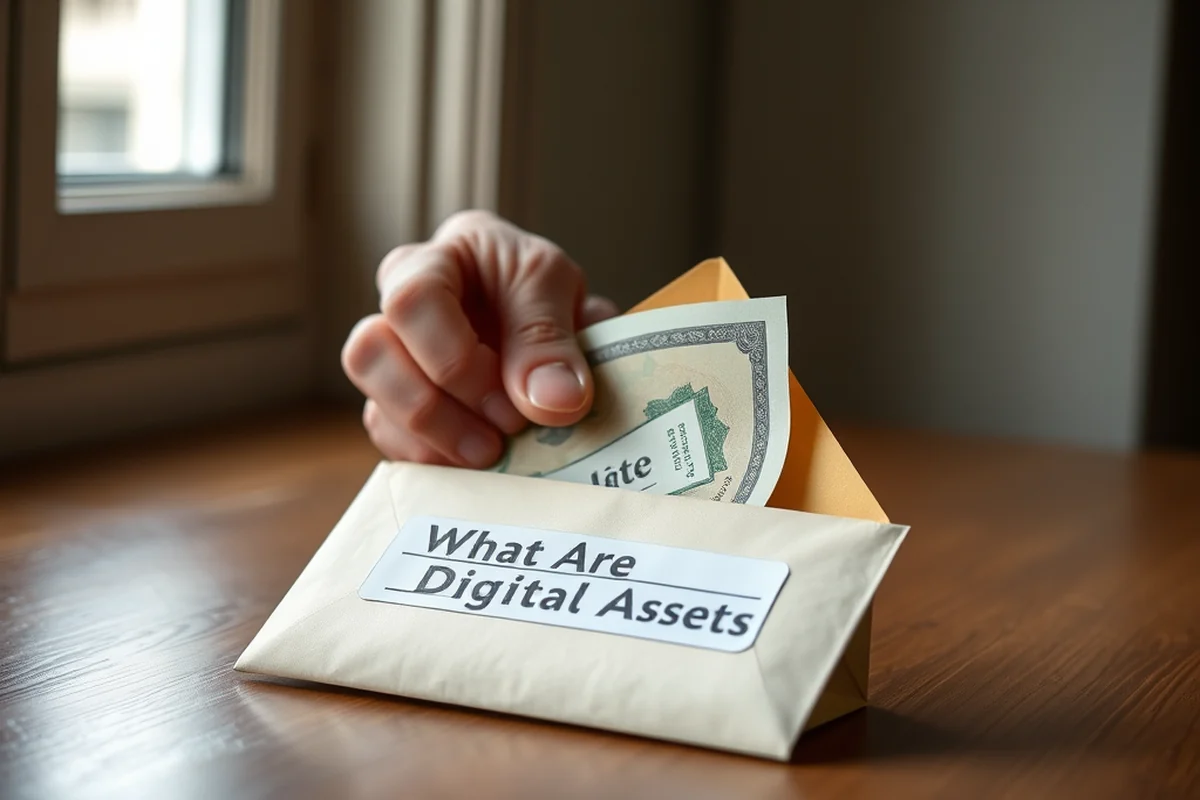
There are many types of digital assets, each with its own risks and opportunities. For instance, cryptocurrency like Bitcoin and Ethereum are digital currencies that can be used for investment and transactions. I invested a small amount in Bitcoin a few years ago, and it has grown significantly since then.
Domain names are also valuable digital assets. I own a few domains related to my work, and they’ve become a small but steady source of income. Managing them properly, such as keeping them registered and securing them with strong passwords, is essential.
Online accounts and digital content, like social media profiles and blog posts, can also have value. For example, my personal blog has generated income through affiliate marketing and sponsored posts. Maintaining these assets requires regular updates and security measures.
Don’t underestimate the value of your online presence — it can be a major source of income.
Related: What is nomad design
How to Secure Your Digital Assets
Security is a top priority when managing digital assets. I use a password manager to store and generate strong passwords for all my online accounts. This has saved me from multiple phishing attempts and hacking attempts.
Enabling two-factor authentication (2FA) is another crucial step. I’ve had my accounts locked out multiple times due to suspicious activity, but 2FA has kept them secure. It adds an extra layer of protection that makes it much harder for hackers to access your accounts.
Regular backups are also essential. I use cloud storage services to back up my important files, and I have a physical backup drive that I update every few weeks. This has helped me recover data quickly in case of a system failure or cyberattack.
Using a password manager and enabling two-factor authentication are two of the most effective ways to protect your digital assets. They can prevent unauthorized access and data loss.
“I remember the first time I heard the term 'digital assets' — it felt like a buzzword, something vague and distant.”— Managing Money as a Digital Nomad editors
Related: Digital nomad essentials
Growing Your Digital Assets Through Investment

Investing in digital assets like cryptocurrency and NFTs can be a way to grow your wealth, but it’s not without risks. I’ve seen friends lose a significant amount of money by investing in speculative projects without doing their due diligence.
Research and planning are essential. I’ve invested in a few cryptocurrencies that I believe have long-term potential, but I always set clear goals and limits. Diversifying my portfolio has helped me manage the risks and avoid large losses.[1]
It’s also important to understand the market and stay informed. I follow financial news and use analysis tools to make informed investment decisions. This has helped me avoid major mistakes and make smarter choices with my digital assets.
Related: What is a sega nomad
Monetizing Your Digital Assets
Monetizing your digital assets can be a great way to generate passive income. For example, I’ve created online courses that I sell through my website, and they’ve become a steady source of income. It’s important to have a clear strategy and target audience.
Affiliate marketing is another way to make money with your digital assets. I’ve partnered with several brands and earn a commission for every sale made through my referral links. It’s a low-risk way to generate income, but it requires consistent effort and promotion.
Selling digital products like e-books, templates, and software is also a popular method. I’ve sold a few e-books related to personal finance, and they’ve been well-received by my audience. Making high-quality products and marketing them effectively is key to success.
Related: What is a digital asset management platform
The Risks of Ignoring Your Digital Assets
Failing to manage your digital assets properly can result in serious consequences. I’ve had a few friends who lost access to their online accounts due to poor password management, and they had to start from scratch.
Identity theft is another risk. If your online accounts are compromised, hackers can use your personal information for fraud. I once had my credit card information stolen through a phishing attack, which cost me several hundred dollars in fraudulent charges.
Ignoring your digital assets can also impact your ability to recover from financial setbacks. For instance, I had to pay a significant amount in legal fees when a domain dispute arose because I didn’t have proper documentation and proof of ownership.
Your digital assets are more than just files — they are part of your financial identity.
Related: Digital nomad backpack
Leveraging Your Digital Assets for Financial Freedom
Leveraging your digital assets can lead to financial freedom. For example, I’ve built a side income through my online courses and digital products, which has helped me reduce my reliance on my main job.
Investing in digital assets has also contributed to my financial growth. By diversifying my portfolio and making informed decisions, I’ve been able to grow my wealth over time. It’s important to set clear financial goals and track your progress regularly.
Staying proactive with your digital assets is key. I review my accounts and investments every few weeks to ensure everything is in order. This has helped me stay ahead of potential issues and make the most of my financial opportunities.
The Hidden Costs of Managing Digital Assets
When I first started managing my digital assets, I underestimated the cost of storing and securing them. I assumed that using a free wallet or cloud storage was sufficient, but after a few months, I realized that these services often come with hidden fees. For example, one wallet I used charged a 0.5% annual fee on all holdings, which added up to $120 per year on a $24,000 portfolio. This is a significant amount when you're trying to build wealth passively. I switched to a fee-free wallet and immediately saw a difference in my monthly savings.[2]
I also learned the importance of paying attention to transaction fees when transferring digital assets between platforms. One time, I moved $5,000 in cryptocurrency from one exchange to another and was hit with a $150 fee. That’s a 3% loss on the transfer, which is far more than I expected. To avoid this, I now use platforms with low or no transfer fees and only move assets when absolutely necessary. It’s a small change, but it adds up over time.[3]
Another hidden cost I discovered was the need for reliable internet and electricity to keep my digital assets secure. I started using a backup power source for my devices and a stable internet connection, which added about $30 per month to my budget. While this might seem minor, it's crucial for ensuring that my digital assets remain accessible and safe at all times. These small but necessary expenses are part of the journey toward responsible digital asset management.[4]
📋 Digital Asset Inventory for Tight Budgets
Create a free digital asset inventory using spreadsheets and free security tools to protect your online presence without spending a dime.
🚀 Aggressive Payoff Strategy for Digital Assets
Invest in high-growth digital assets with a clear, aggressive plan to maximize returns while managing risks effectively.
💰 Managing Digital Assets with Irregular Income
Balance your digital assets with irregular income by investing in low-risk options like domain names and diversified crypto portfolios.
👫 Digital Asset Management for Couples
Coordinate digital asset management with your partner by using shared accounts, joint passwords, and regular check-ins to ensure both of your financial goals are met.
🌱 Beginner’s Guide to Digital Assets
Start with simple digital asset management strategies, like securing online accounts and learning about basic investments, to build a strong foundation.
| The mistake | Why it happens | The fix |
|---|---|---|
| Neglecting to back up your digital assets | Failing to back up your digital assets can result in permanent data loss if something happens to your devices or online accounts. | Implement a regular backup routine using both cloud storage and physical drives to ensure you never lose important data. |
| Using the same password for multiple accounts | Using the same password for multiple accounts increases the risk of a security breach and can lead to the loss of all your digital assets. | Use a password manager to generate and store unique passwords for each of your online accounts. |
| Investing in unverified digital assets | Investing in unverified digital assets like unregulated NFTs or speculative cryptocurrencies can lead to significant financial losses. | Do thorough research and only invest in digital assets that you understand and that have a track record of stability and growth. |
| Failing to monitor your accounts regularly | Not monitoring your accounts can lead to missed opportunities, fraud, and other security threats. | Set up alerts and check your accounts regularly to stay informed and take action when necessary. |
What Are Digital Assets
Common Questions
What are the most common types of digital assets?
How can I protect my digital assets from cyber threats?
Can I make money from my digital assets?
What are the risks of investing in digital assets?
References
- What are digital assets? - Ask a Law Librarian (askalawlibrarian.nycourts.gov)
- Reporting Digital Assets | Arizona Department of Revenue (azdor.gov)
- Cryptocurrency 101: A Guide to Digital Dollars - Bentley University (bentley.edu)
- Digital Assets: Advancing Environmental Regulations (bu.edu)
Cite this guide
Managing Money as a Digital Nomad (2026). What Are Digital Assets. https://budgetrove.com/what-are-digital-assets/
Feel free to cite or share this guide.