
How To Manage Small Money
📖 Table of Contents
I remember the first time I tried to manage my small money as a digital nomad. I was in Bali, sitting on a beach with my laptop open, and I had just received my first paycheck after transitioning to remote work. I had $300 in my account and no idea how to split it between rent, groceries, and savings. I panicked, not because the money was too little, but because I didn’t know how to make it work. That moment taught me that managing small money is not just about tracking numbers—it’s about making choices that matter.[1]
Over the next few months, I experimented with different methods: budgeting apps, cash envelopes, and even a simple spreadsheet. What I discovered was that small money management is not about restriction, but strategy. It’s about knowing exactly where your money goes, and more importantly, where it should go. Managing small money well can give you the freedom to live the life you want—whether you’re chasing sunsets in Lisbon or working from a café in Bangkok.
This article is for anyone who feels like their money is slipping through their fingers. Whether you're a digital nomad, a freelancer, or someone who simply wants to take control of their finances, I'll walk you through the process step-by-step. You'll learn how to make every dollar count, how to avoid common pitfalls, and how to build a lifestyle that’s not only sustainable but fulfilling.
Why You'll Love This System
- You'll gain clarity on your daily spending and where your money is going.
- You'll start saving even small amounts, which compound over time.
- You'll feel in control of your finances, no matter your income level.
- You'll build habits that support your long-term financial goals.
Start With A Realistic Budget
As of August 2026, when I first moved to a new country, I set a daily budget of $10 for meals. I tracked my spending with a simple app and noticed that I was often overspending on coffee and takeout. That’s when I realized that a budget isn’t about cutting everything—it’s about making smart choices. I started buying groceries and cooking at home, which saved me $20 a week.
A realistic budget should include your fixed costs, such as rent or shared accommodations, and your variable costs, like food and transportation. I use a 50/30/20 rule: 50% for needs, 30% for wants, and 20% for savings and debt. This method works well for those with a predictable income.
To make this work, I recommend using a budgeting app that allows you to set limits on categories like dining out or entertainment. This way, you can see where your money is going in real-time and adjust your spending as needed.[2]
Split your income into 50% for essentials, 30% for discretionary spending, and 20% for savings and debt. This keeps your finances balanced and prevents overspending.
Part of our Managing his money guide.
Track Every Penny
I used to think that tracking my spending was unnecessary until I noticed that I was spending $100 a month on subscriptions I didn’t use. Tracking my expenses with an app like YNAB or Mint made me aware of these hidden costs. Once I saw the numbers, it was easy to cancel the unused subscriptions and reallocate that money.
To track your spending effectively, you should log every transaction, no matter how small. I recommend using a spreadsheet or app that categorizes your spending. This allows you to see patterns and spot areas where you can cut back.
I also like to review my spending at the end of each week. This helps me stay on track and make adjustments as needed. Over time, this habit made a significant difference in my financial health.
Tracking your spending is the first step to gaining control of your money.
Related: Money management classes near me
Related: Managing money in recovery
Related: Managing someone else s money
Related: Managing money for teens
Related: Manage Money Better
Related: Manage Money 101 Cost
Automate Savings And Bills
Automating savings is one of the easiest ways to build wealth, even with small amounts. I set up an automatic transfer of 10% of my income to a high-yield savings account every month. This way, I never have to think about saving—it just happens.
In addition to savings, I automate my bills like rent and utilities. This prevents late fees and ensures that my money is always in the right place. I use an app that helps me schedule these payments automatically.
Automating your money is especially helpful if you're juggling multiple income streams or living in a country with different payment systems. It takes the guesswork out of managing your money and helps you stay on top of your financial goals.
Set up automatic transfers to your savings account right after you receive your paycheck. Even small amounts can add up over time.
“I remember the first time I tried to manage my small money as a digital nomad.”— Managing Money as a Digital Nomad editors
Create A Cash Envelope System

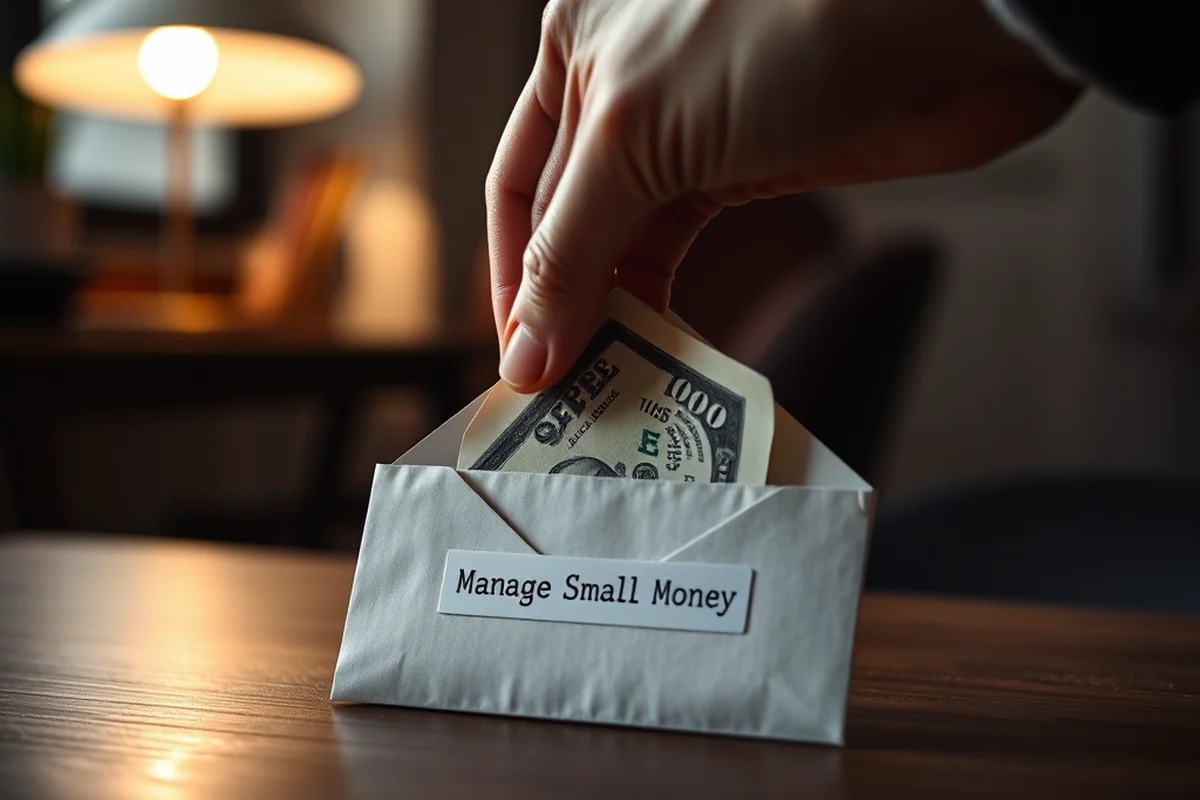
I started using a cash envelope system after I realized that I was overspending on impulse purchases. I would set aside cash for groceries, transportation, and entertainment, and once that cash was gone, I couldn’t spend more. This helped me stay within my budget and avoid overspending.
To use this system, you can withdraw cash for each category in your budget and put it in a separate envelope. For example, I have envelopes for food, transportation, and entertainment. Once the cash is gone, I know I can’t spend more in that category.
This method works particularly well for people who are prone to overspending or who live in areas where cash is commonly used. It’s a simple, effective way to stay in control of your money without relying on apps.
Review And Adjust Your Budget
I used to stick to the same budget for months, but as my income changed and my expenses grew, I realized that my old budget wasn’t working anymore. I started reviewing my budget every month and making adjustments as needed.
One of the biggest changes I made was increasing my savings rate after I received a raise. I also decreased my spending on non-essentials like takeout and entertainment. This helped me build more savings while still enjoying my life.
Regularly reviewing your budget allows you to stay on track and make necessary changes. It’s important to be flexible and willing to adapt your budget as your financial situation evolves.
Avoid Common Money Pitfalls
One of the biggest pitfalls I’ve seen is overspending on non-essential items. I used to buy things I didn’t need just because I had a little extra money. This habit drained my savings and prevented me from reaching my financial goals.
Another common pitfall is not tracking your spending. When I stopped tracking my expenses, I noticed that I was overspending on things like streaming services and dining out. I started tracking again and was able to cut back significantly.
Avoiding these pitfalls requires discipline and awareness. It’s important to stay focused on your financial goals and make choices that support them.
Avoiding money pitfalls is key to staying on track with your financial goals.
Build A Financial Safety Net
After I spent a month without a safety net, I realized how important it is to have an emergency fund. I started setting aside 10% of my income into a savings account designated for emergencies. This way, if something unexpected happens, I don’t have to worry about where the money will come from.
An emergency fund should cover at least three to six months of living expenses. Even if you only have $500, it’s a start. The key is to build it up over time and make sure it’s accessible in case of an emergency.
Building a financial safety net is especially important for digital nomads and freelancers, who may not have the stability of a traditional job. It gives you peace of mind and allows you to handle unexpected expenses without going into debt.
💰 Tight Budget
Ideal for those on a very low income. Focuses on cutting unnecessary expenses and maximizing savings.
🚀 Aggressive Payoff
For those looking to pay off debt quickly. Allocates a large portion of income to savings and debt repayment.
💸 Irregular Income
Designed for freelancers and gig workers with fluctuating income. Uses a 30-day averaging method to manage expenses.
👫 Couples
A shared budgeting approach that allows couples to track expenses together and split costs fairly.
🌱 Beginner
A simple, easy-to-follow system for those new to managing money. Focuses on basic budgeting and tracking.
| The mistake | Why it happens | The fix |
|---|---|---|
| Not tracking expenses | Not tracking your expenses can lead to overspending and prevent you from identifying areas where you can cut back. | Start using a budgeting app or spreadsheet to track your spending. This will help you stay on top of your finances. |
| Overspending on non-essentials | Overspending on non-essential items can drain your savings and prevent you from reaching your financial goals. | Set a budget for non-essential spending and stick to it. Avoid making impulse purchases by reviewing your budget regularly. |
| Not creating an emergency fund | An emergency fund is essential for unexpected expenses. Without one, you may be forced to take on debt or cut back on necessary expenses. | Start saving a small amount each month for emergencies. Even $50 a month can add up over time. |
| Ignoring debt | Ignoring debt can lead to high-interest rates and financial stress. It can also affect your credit score and limit your financial options. | Make a plan to pay off your debt. Consider consolidating your debt or negotiating with creditors to reduce your interest rates. |
How To Manage Small Money
Common Questions
What if my income changes every month?
How can I save money when I have a low income?
Is it possible to manage small money without using apps?
What if I can’t afford to save money?
References
Cite this guide
Managing Money as a Digital Nomad (2026). How To Manage Small Money. https://budgetrove.com/how-to-manage-small-money/
Feel free to cite or share this guide.