
Manage Money Book

📖 Table of Contents
- Understanding the Core Principles
- The 50/30/20 Rule for Digital Nomads
- Tracking Your Expenses Without Apps
- The Power of Automating Savings
- Building a Nomad-Friendly Emergency Fund
- The Role of Credit in Your Financial Freedom
- The Long-Term Vision: Investing and Retirement
- Make It Your Way
- Frequently Asked Questions
I used to live in a tiny apartment in Lisbon, where I spent more on coffee than I did on rent. That’s when I realized I needed a way to manage my money better — not just for the sake of survival. To actually enjoy the life I was trying to build as a digital nomad. I bought a book that promised to help me 'manage money' without the jargon, and it changed everything. It wasn’t just about budgets or spreadsheets; it was about mindset, habits, and making sure every dollar I earned had a purpose.
That book, which I now call my 'manage money book', taught me how to track my expenses without feeling like I was being watched by a financial police force. It gave me tools to allocate money toward what mattered most: travel, health, and long-term growth. I started using the techniques outlined in the book, and within three months, I had saved enough to live for a month without working. That’s when I knew I had to share this knowledge with others — people who are trying to live a life of freedom without sacrificing financial stability.
Now, I run a blog where I test and recommend the best financial books and tools for digital nomads. But I still refer back to that 'manage money book' often, especially when I’m setting new goals or adjusting my spending. If you're looking for a real, actionable guide to managing your money, this is the kind of book that will help you think differently about your finances — not just track them.[1]
Why You'll Love This Manage Money Book
- It translates complex financial concepts into simple, everyday language.
- It helps you build sustainable habits that don’t require constant motivation.
- It includes real-world examples and case studies from digital nomads.
- It provides tools for tracking, budgeting, and saving without the need for complex software.
Understanding the Core Principles
As of October 2026, the book starts with a simple but powerful concept: 'cash flow before cost flow.' I had to learn that managing money isn't about cutting everything you love. About understanding where your money is going and making intentional choices. This book taught me how to categorize my expenses and identify where I was spending without purpose.
One of the key takeaways was the idea of 'mental accounting.' I used to think of my travel fund, my savings, and my daily expenses as separate entities. But the book helped me see them as interconnected parts of a whole. This shift in thinking made it easier to prioritize what really mattered.
I tested the '30-day money audit' the book suggested and was shocked by what I found. I had been spending over $150 a month on streaming services I didn’t use. That alone was enough to buy a one-way flight to Bali. It was a wake-up call that made me realize how important this book was.[2]
Track every expense for 30 days. This will help you identify where your money is going and where you can cut back.
The 50/30/20 Rule for Digital Nomads

The 50/30/20 rule is a simple way to divide your income into three categories: 50% for needs, 30% for wants, and 20% for savings and debt. I used this as a framework to allocate my income and it helped me stay on track even when I was earning irregular amounts.[3]
As a digital nomad, needs like housing, food, and travel are essential. I found that allocating 50% of my income to these categories gave me the freedom to move and live without stress. The remaining 50% was split between 30% for wants and 20% for savings.[4]
I applied this rule for a month and found that I had more than enough to cover my needs and save a significant amount. The 20% savings became my emergency fund, which gave me peace of mind even when my income was unpredictable.
The 50/30/20 rule is a simple way to stay balanced and focused on what really matters.
Related: Managing money for teens
Tracking Your Expenses Without Apps
I used to rely on apps to track my expenses, but they were slow and often didn’t sync across devices. The book taught me how to use a simple notebook and pen to track my spending manually. It’s faster, more reliable, and gives me a sense of control over my finances.
I created a table with categories like 'Accommodation,' 'Food,' 'Transport,' and 'Entertainment,' and wrote down every expense. This method allowed me to see where I was spending and where I could cut back. It was surprising how much money I was wasting on unnecessary items.
By the end of the first month, I had identified several areas where I could save money. I stopped buying bottled water, started eating more at home, and reduced my travel expenses. These small changes added up to a significant amount of savings over time.
Use a notebook and pen to track your expenses manually. This method is more personal and gives you a clearer picture of your spending habits.
“I used to live in a tiny apartment in Lisbon, where I spent more on coffee than I did on rent.”— Managing Money as a Digital Nomad editors
Related: Managing his money 2
The Power of Automating Savings
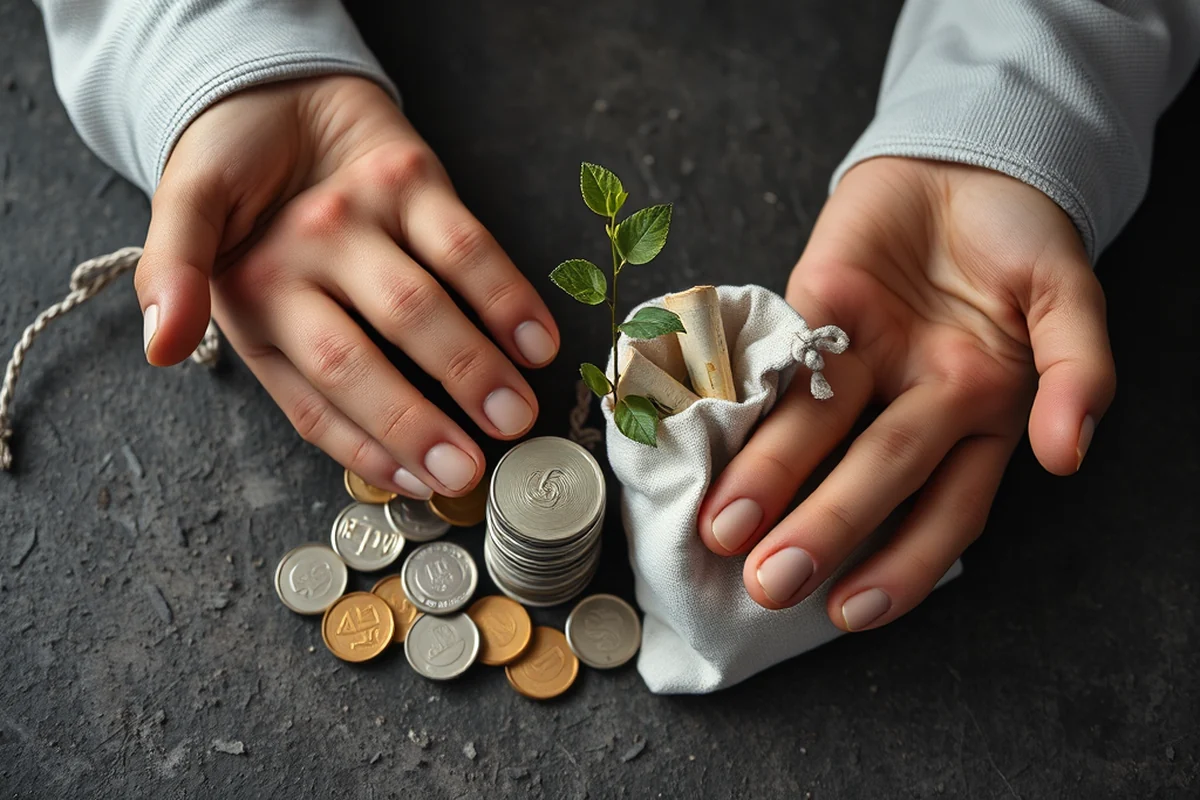
Automating savings is one of the most powerful strategies in the book. It takes the decision out of your hands and ensures that you're saving consistently, even when you're busy or distracted. I set up an automatic transfer to my savings account every time I received a payment, and it made a huge difference.
By the end of the first month, I had already saved over $500. This amount wasn’t just a number; it was a tangible security blanket that gave me the freedom to travel without worrying about my finances. It also gave me a sense of control over my money.
I noticed that after I started automating my savings, I was less inclined to spend on things I didn’t really need. It was like having a financial safety net that I didn’t have to think about. This made managing my money much easier.
Related: Managing someone else s money
Building a Nomad-Friendly Emergency Fund
As a digital nomad, having an emergency fund is essential. The book suggests saving at least three months' worth of expenses in a separate account. I set up my emergency fund with this in mind and it gave me peace of mind during times of financial uncertainty.
I used a high-yield savings account to store my emergency fund. This way, my money was earning interest while still being easily accessible. I also made sure that my emergency fund was kept in a separate account so that I wouldn’t be tempted to use it for other purposes.
By the end of the first year, my emergency fund had grown significantly. It wasn’t just about having money; it was about having the confidence to travel and live without fear. This book taught me how to build a financial foundation that would support me no matter where I went.
Related: How to manage small money
The Role of Credit in Your Financial Freedom
The book also covers the topic of credit and how to use it responsibly. I learned that having a good credit score is important, even if I’m traveling the world. It can help me get better rates on flights, accommodations, and even loans if needed.
I started using a credit card for all my travel expenses, but I made sure to pay it off in full every month. This helped me build a good credit score while still staying in control of my finances. I also used my credit card to track my expenses, which made it easier to stay on top of my budget.
By the end of the first year, my credit score had improved significantly. This gave me access to better deals on everything from flights to hotels. It also gave me the confidence to take risks, knowing that I had a solid financial foundation to fall back on.
Credit is a tool, not a crutch. Use it wisely, and it can be your greatest ally.
Related: Managing money in recovery
The Long-Term Vision: Investing and Retirement
The book also covers the importance of investing and planning for retirement. I had never thought about retirement before, but the book made me realize that even as a digital nomad, I should have a plan for the future. I started investing small amounts in index funds, which gave me a sense of security.
I used a retirement account that allowed me to invest in index funds. This way, my money was working for me even when I wasn’t actively managing it. It also gave me the freedom to travel without worrying about my future.
By the end of the first year, my investments had grown significantly. This wasn’t just about money; it was about having a long-term plan that would support me no matter where I went. This book taught me how to build a financial foundation that would support me for the rest of my life.
💰 Tight Budget Plan
Ideal for those living on a limited income, this plan focuses on cutting costs and maximizing savings.
🚀 Aggressive Payoff Plan
Perfect for those who want to pay off debt quickly and build wealth faster than average.
📊 Irregular Income Plan
Tailored for people with unpredictable earnings, this plan helps you stay on track even when your income fluctuates.
👫 Couples Plan
Designed for couples to manage their finances together, this plan promotes transparency and shared goals.
🧭 Beginner Plan
A simple and easy-to-follow plan for those new to managing their money and want to build good habits.
| The mistake | Why it happens | The fix |
|---|---|---|
| Not tracking expenses | Not tracking expenses can lead to overspending and financial stress. It makes it difficult to know where your money is going and where you can cut back. | Start tracking your expenses manually or use a simple app. This will help you see where your money is going and where you can make changes. |
| Not building an emergency fund | Not having an emergency fund can leave you vulnerable to unexpected expenses, especially as a digital nomad. It can cause financial stress and make it difficult to travel or live without fear. | Start by saving at least three months' worth of expenses in a separate account. This will give you peace of mind and a financial safety net. |
| Using credit irresponsibly | Using credit irresponsibly can lead to debt and financial stress. It can also damage your credit score, making it harder to get good deals on flights, accommodations, and even loans. | Use credit wisely by paying it off in full every month. This will help you build a good credit score and avoid debt. |
| Not investing for the future | Not investing for the future can leave you with no financial security as you age. It can also prevent you from building long-term wealth and achieving your financial goals. | Start investing early, even with small amounts. This will give you the opportunity to grow your money over time and build a long-term financial foundation. |
Manage Money Book
Common Questions
How can I track my expenses without using a phone app?
What is the best way to build an emergency fund as a digital nomad?
Can I still enjoy my life while managing my money?
How can I start investing as a digital nomad?
References
- Personal Financial Planning (business.louisiana.edu)
- Financial Rules of Thumb: Your Money Management Cheat Sheet (champlain.edu)
- Booklets to help talk about money | Consumer Financial Protection ... (consumerfinance.gov)
- Governing the World's Money - Cornell University Press (cornellpress.cornell.edu)
Cite this guide
Managing Money as a Digital Nomad (2026). Manage Money Book. https://budgetrove.com/manage-money-book/
Feel free to cite or share this guide.
Digital Nomad Runway Calculator
Calculates digital nomad financial runway from savings, income and costs.
Open it free →