
How Should I Be Managing My Money

📖 Table of Contents
I remember the first time I had to manage my money as a digital nomad in Bali. I had just quit my job and was trying to live on $2,500 a month. I was excited but also terrified. I didn’t know how to track my expenses, save for emergencies, or plan for the future. That experience taught me the hard way that managing money isn’t just about having a budget—it’s about understanding your habits, making smart choices, and being consistent. So if you're asking yourself, 'How should I be managing my money?' you're not alone. But there are concrete steps and strategies that can help you take control.[1]
Managing money as a digital nomad is different from managing it in a traditional 9-to-5 job. You're dealing with fluctuating incomes, different currencies, and the challenge of living in places where costs vary wildly. I learned that the key to managing money well is to create a system that's both flexible and disciplined. This isn’t about living frugally to the point of misery—it’s about finding balance. It's about knowing where your money goes and making sure it's working for you, not against you.
If you're reading this, it's because you're looking for a way to take control of your finances. You're probably tired of feeling like you're always one missed paycheck away from disaster. You want to know how to save, how to invest, and how to avoid common mistakes that so many people make. The good news is that managing your money doesn’t have to be complicated. With a few simple strategies and the right mindset, you can build a financial plan that works for your unique lifestyle and goals.
Why You'll Love This Financial Plan
- You’ll gain clarity on where your money is going every single day.
- You’ll be able to save for the future without sacrificing your present.
- You’ll feel more in control of your life and your money.
- You’ll avoid costly mistakes that other nomads have made.
Start With a Transparent Budget
As of November 2026, I used to think a budget was just a list of numbers. But when I started tracking every single dollar I spent, I realized how much I was wasting on things I didn’t really need. I used a simple spreadsheet to track my income, my expenses, and my savings goals. This helped me see that I was spending $300 a month on coffee and snacks, which I didn’t need. I cut that out and started saving more.[2]
Creating a budget doesn’t have to be complicated. You can use apps like YNAB or Mint, or even a simple Excel sheet. The key is to be specific. Write down every expense, no matter how small. This includes things like your phone bill, your internet, your groceries, and even your coffee. Once you know where your money is going, you can start making changes.
I found that the best time to track your budget was right after I received my income. That way, I could plan my spending for the month ahead. It took me about a week to get the hang of it, and after that, it became second nature. Within a month, I was saving $500 more than I had before.
Write down every single expense, even if it's only $2 for a cup of coffee. That small habit can show you where your money is going and where you can cut back.
Automate Your Savings and Expenses
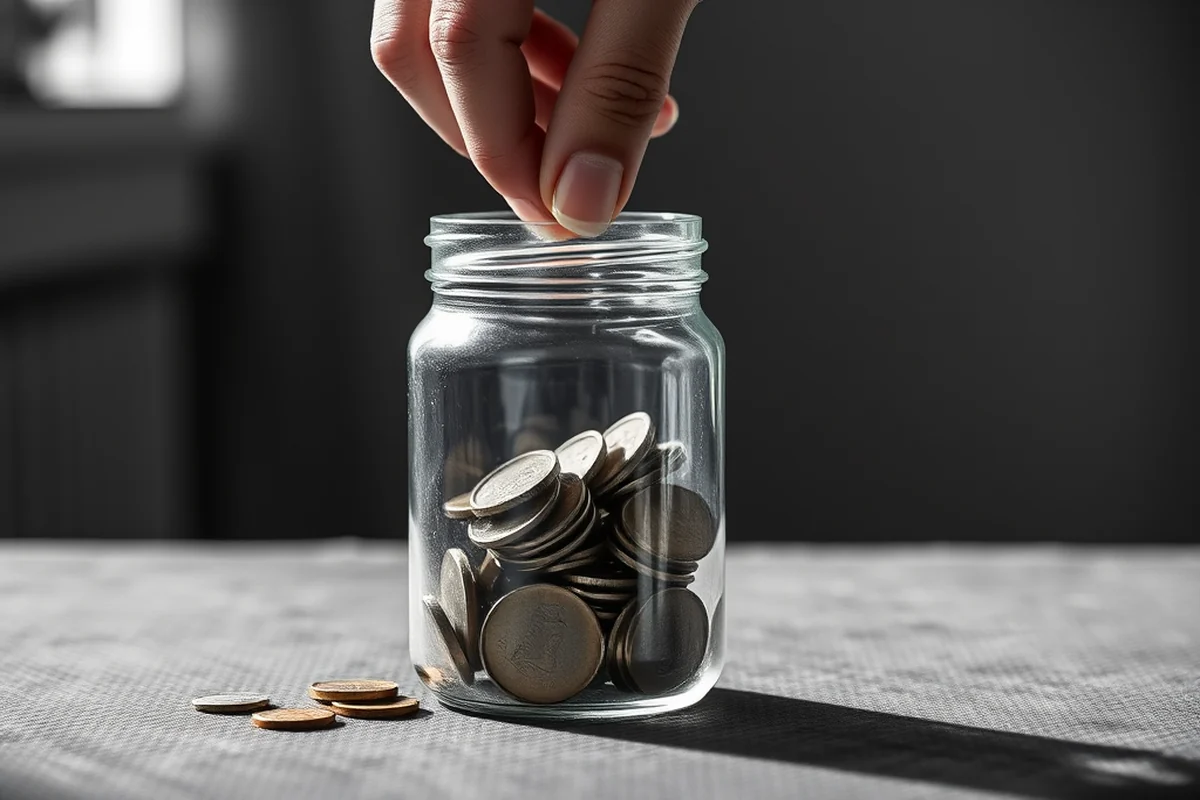
I used to forget to save money because I was too busy enjoying life as a digital nomad. I’d plan to save $200 a month, but by the end of the month, I’d spent it all. Then I started automating my savings. I set up a direct deposit from my main account to a separate savings account every time I got paid. This way, I didn’t have to think about it—it just happened automatically.[3]
Automating your expenses, like your rent and your internet, is also a great idea. This helps you avoid late fees and keeps your finances in order. I set up automatic payments for my monthly bills, and I’ve never missed one since. It’s a small step, but it makes a big difference.
Automating your money doesn’t mean you can’t spend it. It just means you can control where it goes. I still enjoy my life as a digital nomad, but I know that my money is working for me instead of the other way around.
Automate your savings and you’ll never miss the chance to save again.
Related: Managing money throughout life stages
Invest in Yourself, Even If It's Small
When I was a digital nomad, I started investing in myself by taking online courses and attending webinars. I spent $50 a month on online learning, and it helped me grow my business and increase my income. I now make more money than I ever did in my 9-to-5 job. That’s the power of investing in yourself.
Even small investments can make a big difference. I used to think that I needed to spend a lot of money to invest in myself, but I learned that even $10 a day could add up to $3,650 a year. That’s enough to buy a lot of online courses, books, or even a subscription to a learning platform.
Investing in yourself is a long-term strategy. It doesn’t pay off overnight, but it can pay off for years to come. I’ve seen so many digital nomads who have built successful businesses and careers by investing in their skills. That’s why I believe investing in yourself is one of the most important financial strategies there is.
Even a small investment in yourself can have a big impact on your future. Think about what you want to learn and how much it will cost. Start small and build from there.
“I remember the first time I had to manage my money as a digital nomad in Bali.”— Managing Money as a Digital Nomad editors
Related: Money management apps for kids
Avoid Debt at All Costs
I used to think that taking on a little debt was okay. After all, I needed a place to stay and a way to get by. But I quickly learned that debt can be a real problem. I once took out a loan to cover a month of expenses, and it took me nearly two years to pay it off. That was a huge mistake, and it taught me a valuable lesson.
Avoiding debt is one of the best financial habits you can develop. If you need to borrow money, make sure it’s for something that will increase your income or help you save money in the long run. Otherwise, avoid it at all costs. I now use credit cards only for emergencies and pay them off every month.
Debt can be a trap. It can take over your life and prevent you from achieving your financial goals. I’ve seen so many people struggle with debt, and I want to help you avoid that. The best way to avoid debt is to live within your means and save money for the things you really need.
Related: How to start managing your money
Review and Adjust Your Plan Regularly
I used to think that once I had a budget and a savings plan, I was done. But I quickly learned that life is unpredictable, and your financial plan needs to be flexible. I now review my budget every month and make adjustments based on my income, my expenses, and my goals.
Reviewing your financial plan regularly helps you stay on track and make changes as needed. If your income increases, you can save more. If your expenses increase, you can adjust your budget accordingly. I’ve found that reviewing my plan every month keeps me motivated and helps me stay focused on my goals.
Adjusting your plan doesn’t mean you’re failing. It means you’re growing and learning. I’ve learned that the best financial plans are the ones that are reviewed and adjusted regularly. That’s why I make it a habit to review my plan every month and make changes as needed.
💰 Tight Budget Plan
Maximize every dollar with strict budgeting and minimal spending.
🚀 Aggressive Payoff Plan
Focus on paying off high-interest debt quickly and aggressively.
📊 Irregular Income Plan
Build a flexible system that adapts to fluctuating income and expenses.
👫 Couples Plan
Create a shared financial strategy that aligns with both partners' goals.
🎯 Beginner Plan
Start with simple steps to build a foundation for financial freedom.
| The mistake | Why it happens | The fix |
|---|---|---|
| Neglecting to track expenses | You can’t improve what you don’t measure. Not tracking your spending makes it impossible to know where your money is going. | Start tracking your expenses daily using a budgeting app or spreadsheet. Review them every week to see where you’re overspending. |
| Ignoring the power of automation | Manual budgeting is time-consuming and prone to error. Without automation, it’s easy to overspend or forget to save. | Set up automatic transfers for savings and bills. This keeps your finances on track without you having to think about it. |
| Avoiding debt at all costs | Debt isn’t always bad. If used wisely, it can help you invest in yourself or grow your business. | Use debt strategically, such as for investments or education. Always pay it off as quickly as possible to avoid high-interest charges. |
| Not reviewing your plan regularly | Your financial goals and income can change over time. Failing to review your plan can lead to stagnation and missed opportunities. | Review your budget and financial plan every month. Make adjustments based on your income, expenses, and goals. |
Related: Money management guide pdf
How Should I Be Managing My Money
Related: Managing money in spanish
Common Questions
How do I start managing my money as a digital nomad?
Can I save money while traveling?
How much should I save each month?
How do I avoid debt as a digital nomad?
References
- Managing my money for young adults | OpenLearn - Open University (open.edu)
- Taking the Mystery Out of Retirement Planning (dol.gov)
- A Financial Empowerment Toolkit for Workers (files.consumerfinance.gov)
Cite this guide
Managing Money as a Digital Nomad (2026). How Should I Be Managing My Money. https://budgetrove.com/how-should-i-be-managing-my-money/
Feel free to cite or share this guide.
Digital Nomad Runway Calculator
Calculates digital nomad financial runway from savings, income and costs.
Open it free →