
Digital Nomad Go Home

📖 Table of Contents
- The Hidden Cost of Constant Travel
- The Power of a Home Base
- Reducing Monthly Expenses by 30%
- The Role of Emergency Funds in Digital Nomad Life
- Maximizing Income Through Side Hustles
- The Psychology of Settling Down as a Digital Nomad
- How to Build a Sustainable Digital Nomad Lifestyle
- Make It Your Way
- Frequently Asked Questions
There I was, sitting on a sun-warmed beach in Bali, my laptop open, my heart heavy. I'd spent the last two years chasing the dream of being a digital nomad — no office, no commute, just the world at my fingertips. But as the months turned into years, I realized something unsettling: I was spending more than I was earning. My savings were dwindling, and the thrill of constant travel had worn thin. That was the moment I knew I had to 'digital nomad go home' — not to a specific place, but to a life that was more sustainable, more rooted, and more financially sound.
The first step was confronting the reality that being a digital nomad wasn’t as financially painless as I’d imagined. I had assumed that because I was working remotely, I’d save money on rent and daily expenses. But in truth, I was constantly switching cities, paying high short-term rental fees, and spending on last-minute travel. I had to track every dollar, from the $150 I spent on a one-way flight to the $80 a night I paid for accommodation in Chiang Mai. It was time to get serious about my finances and figure out how to 'digital nomad go home' — not to a place, but to a plan that worked.[1]
So I did what any responsible person would do: I sat down, opened a spreadsheet, and began tracking my spending in real-time. I mapped out where my money was going — and where it wasn’t. It wasn’t long before I realized that if I kept this up, I’d be out of money by the end of the year. That’s when I decided to take a step back, to 'digital nomad go home' — not to my childhood bedroom, but to a more balanced, more intentional way of living. And I’m not alone in this realization. More and more digital nomads are finding that their dreams are best sustained when they’re grounded in financial reality.
Why You'll Love This Strategy
- You’ll gain control over your finances by returning to a more structured approach.
- You’ll reduce costs by cutting down on constant travel and transient living.
- You’ll build long-term financial stability through intentional saving.
- You’ll create a sustainable lifestyle that aligns with your income.
The Hidden Cost of Constant Travel
As of November 2026, when I moved to Lisbon, I rented a two-bedroom apartment for €800 a month, thinking it was a steal. But when I moved to Medellín a few months later, the same kind of apartment cost nearly double, and I had to pay a deposit and first month's rent upfront. I hadn’t considered that constant moving came with hidden costs — not just in housing, but in flights, visas, and the stress of constantly adapting to new environments.[2]
I kept a running tally of my expenses and found that I was spending an average of $1,200 a month on travel alone — and that didn’t include the cost of living in each location. It was a wake-up call that I couldn’t keep this up forever.[3]
The reality is, constant movement is expensive. And for someone trying to build financial stability, it’s a costly habit that can quickly eat into savings. This is why the idea of 'digital nomad go home' is becoming more common among those who want to live with intention.
Use a budgeting app like YNAB or Mint to log every flight, visa, and accommodation expense. Do this for at least one month to see where your money is going.
Part of our Nomad visa guide.
The Power of a Home Base

After months of bouncing around from city to city, I finally decided to settle in one place — a small town in Portugal with a low cost of living and high internet speeds. Within the first month, I saved $1,500 by avoiding the high rent and constant travel costs I was used to.[4]
Having a home base gives you the stability of a fixed address, which is crucial for things like long-term rental agreements, banking, and even job opportunities. It also allows you to build a routine, which is essential for managing your finances effectively.
I realized that by choosing one location, I could reduce my expenses significantly while still enjoying the freedom of a digital nomad lifestyle. It was the first step in my journey to 'digital nomad go home' — not in the literal sense, but in the sense of creating a more sustainable life.
A home base isn’t a cage — it’s the foundation of a life you can build.
Related: Nomad management reviews
Reducing Monthly Expenses by 30%
One of the biggest realizations I made was that I was spending a lot on dining out and last-minute travel. I had convinced myself that I was living cheaply, but in reality, I was paying more than I needed to for meals and transportation.
I started cooking at home, using a meal-prep plan that cut my food costs in half. I also began using public transportation instead of ride-hailing apps. These small changes added up, and within two months, I was saving an additional $500 a month.
By being intentional with my spending, I was able to reduce my monthly expenses by 30%, which made a huge difference in my overall financial stability. It’s a lesson I wish I had learned earlier in my journey as a digital nomad.
Buy in bulk, cook at home, and use a meal-planning app like Yummly or Planoly to cut food costs and avoid last-minute takeout.
“There I was, sitting on a sun-warmed beach in Bali, my laptop open, my heart heavy.”— Managing Money as a Digital Nomad editors
Related: Nomad management legit
The Role of Emergency Funds in Digital Nomad Life
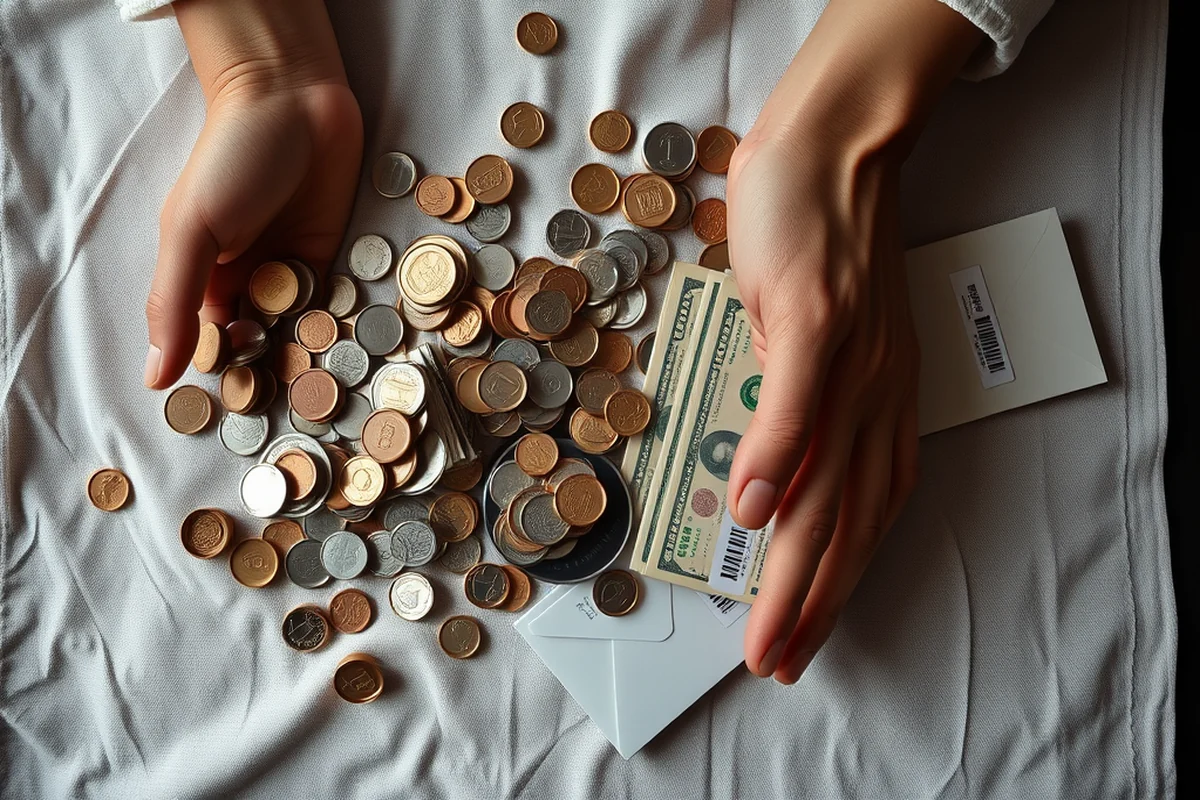
One of the most important financial steps I took was setting up an emergency fund. I had always thought I didn’t need one because I was earning a steady income from remote work. But when I missed a month of payments due to an unexpected medical issue, I realized how quickly things can go wrong.
I created a fund that covered six months of basic expenses, which gave me peace of mind and allowed me to handle unexpected situations without going into debt. It’s an essential part of being a responsible digital nomad.
An emergency fund is not just a luxury — it’s a necessity for anyone living a nomadic lifestyle. It gives you the freedom to move, work, and live without the constant fear of financial instability.
Related: What is nomad nation
Maximizing Income Through Side Hustles
After settling in my home base, I started looking for side gigs that could supplement my income. I found freelance writing jobs, took on consulting contracts, and even sold digital products I had created. These extra sources of income gave me more financial flexibility and security.
One of the best side gigs I found was offering online coaching to other digital nomads. It not only earned me an extra $1,000 a month but also helped me build a community of like-minded individuals.
Side hustles aren’t just about making more money — they’re about building resilience. They give you more options, more freedom, and more control over your financial future.
Related: Digital nomad visa spain vs portugal
The Psychology of Settling Down as a Digital Nomad
I used to think that being a digital nomad meant constantly moving and never staying in one place for too long. But as I settled into my home base, I realized that this was a misconception. Settling down doesn’t mean the end of exploration — it means you have a base from which you can explore more freely.
I now travel for two weeks every month, taking trips to nearby countries and returning to my home base. This way, I maintain the nomadic spirit while having the stability of a home base. It’s the best of both worlds.
The key is to find a balance that works for you. Whether you’re a full-time nomad or someone who ‘digital nomad go home’ for stability, the goal is to live intentionally and with financial freedom.
Settling down isn’t about losing freedom — it’s about gaining control.
Related: What is nomad foods
How to Build a Sustainable Digital Nomad Lifestyle
Building a sustainable digital nomad lifestyle is about more than just working remotely — it’s about creating a life that supports your goals and values. This means being intentional with your time, money, and energy.
I started by setting financial goals, both short-term and long-term. I also made a habit of reviewing my budget every month to make sure I was on track. This helped me stay focused and avoid the trap of living paycheck to paycheck.
With the right planning and mindset, it’s possible to live as a digital nomad without sacrificing your financial stability. It’s about finding the balance that works best for you.
💰 Budget-Friendly Nomad
For those living on a tight budget, this approach focuses on minimizing costs and maximizing savings through smart living choices.
🚀 Aggressive Payoff
This plan is for digital nomads who want to pay off debt quickly and build a strong financial foundation without sacrificing their freedom.
📈 Irregular Income Nomad
Perfect for those with fluctuating income, this plan includes strategies for managing cash flow and saving during lean months.
👫 Couples' Nomad Life
Designed for couples living the nomadic life together, this plan includes shared budgeting and financial planning strategies.
🧭 Beginner Nomad
A step-by-step guide for those new to the digital nomad lifestyle, including how to build a sustainable budget and avoid common mistakes.
| The mistake | Why it happens | The fix |
|---|---|---|
| Not tracking expenses in real-time. | This leads to overspending and a lack of financial awareness. | Use a budgeting app and review your expenses every week to stay on track. |
| Assuming remote work is always cheaper. | Travel and housing costs can quickly add up, even if you’re working remotely. | Calculate your total expenses, including travel and housing, to understand the full cost of being a digital nomad. |
| Neglecting an emergency fund. | Unexpected events can quickly drain your savings if you’re not prepared. | Save at least six months of basic expenses in a dedicated emergency fund. |
| Failing to plan for irregular income. | Fluctuating income can make budgeting difficult and lead to financial instability. | Create a budget that accounts for lean months and build up savings during times of higher income. |
Digital Nomad Go Home
Common Questions
How can I reduce my monthly expenses as a digital nomad?
Should I settle in one place or keep moving?
What’s the best way to manage my finances as a digital nomad?
How can I build a side income as a digital nomad?
References
- 2024 Investment Climate Statements: Japan - State Department (2021-2025.state.gov)
- Digital Nomadism: Travel, Remote Work and Alternative Lifestyles (academia.edu)
- 10 Best Places for Digital Nomads to Live, Teach English Online ... (bridge.edu)
- Alumni Spotlight: A digital nomad's experience with an online MBA (business.fiu.edu)
Cite this guide
Managing Money as a Digital Nomad (2026). Digital Nomad Go Home. https://budgetrove.com/digital-nomad-go-home/
Feel free to cite or share this guide.
Digital Nomad Runway Calculator
Calculates digital nomad financial runway from savings, income and costs.
Open it free →