
Digital Nomad Home Exchange

📖 Table of Contents
- What Is a Digital Nomad Home Exchange?
- How to Get Started with a Home Exchange
- The Financial Benefits of a Home Exchange
- Finding the Right Match for Your Exchange
- The Cultural and Social Benefits of an Exchange
- Long-Term Benefits of a Home Exchange Strategy
- How to Handle Potential Issues During an Exchange
- Maximizing Tax Efficiency Through Home Exchanges
- Make It Your Way
- Frequently Asked Questions
I remember the first time I considered swapping my apartment in Lisbon for a house in Bali. It wasn’t just about saving on rent—it was about the unexpected freedom of living someone else’s life for a few months. That moment was the spark that led me to explore the world of digital nomad home exchanges. It’s not just a trend; it’s a powerful financial tool that can slash your living costs while offering a unique lifestyle boost.
As a full-time writer who’s traveled across three continents, I’ve found that home exchanges are more than just a way to save money. They’re a way to live in places I never thought I could afford, meet people who have shaped my worldview, and build a network that transcends borders. The keyword here is 'digital nomad home exchange'—a concept that’s reshaping how we think about travel, work, and even retirement.
The setup is simple: you trade your home for someone else’s. No middlemen, no commissions, just two people willing to swap their living spaces. What makes this unique is the way it aligns with the modern digital nomad’s lifestyle, offering both financial and emotional rewards. It’s not just about saving on rent; it’s about building a life that’s both flexible and rich in experiences.
Why You'll Love This Digital Nomad Home Exchange Strategy
- Significantly lower living costs by eliminating rent expenses in your destination.
- Build a global network of like-minded travelers and professionals.
- Experience new cultures without the financial strain of traditional travel.
- Create a sustainable and flexible lifestyle that supports long-term financial goals.
What Is a Digital Nomad Home Exchange?
As of October 2026, in my experience, the process starts with finding a match through platforms like Home Exchange or NomadX. I’ve personally used both and found that the most successful exchanges happen when both parties have clear expectations and communication is open from the start.
The key is to find someone with similar values and work schedules. I once swapped my apartment in Lisbon for a house in Bali and was amazed by how similar our routines were—both of us worked from 9 AM to 5 PM, with flexible hours in between.
This kind of swap isn’t just about saving money. It’s about building a connection with someone you might never have met otherwise. The trust and mutual respect that come with this arrangement are invaluable.
Before any exchange, outline expectations clearly. Discuss house rules, work hours, and responsibilities to avoid misunderstandings.
Part of our Nomad visa guide.
How to Get Started with a Home Exchange
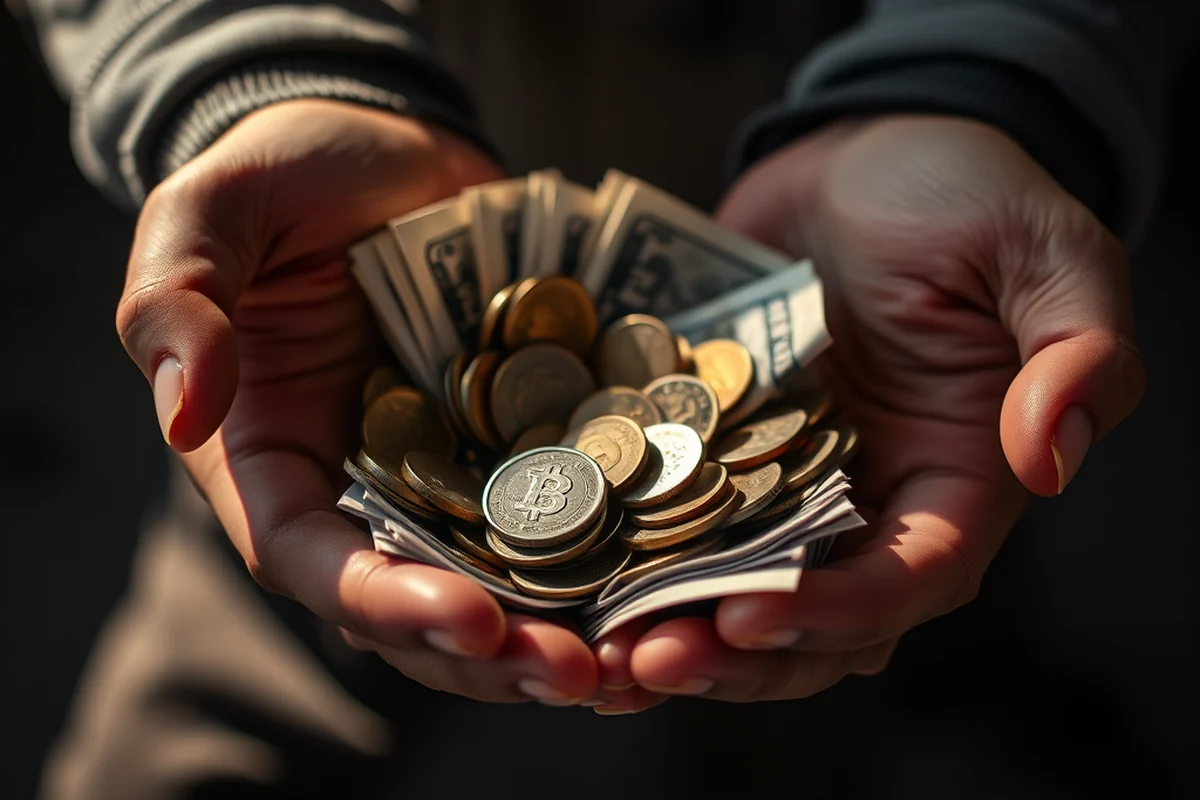
Setting up a profile on a home exchange platform is the first step. I’ve found that being detailed with your photos, location, and work habits increases your chances of a successful match. You can also include your interests and hobbies to find a like-minded person.
Once you find a match, it’s important to communicate clearly about your expectations. I once had a match who was a full-time teacher, and she had a strict schedule that aligned perfectly with my remote work hours. That made the swap much smoother.
Finally, preparing for the swap means ensuring your space is clean and welcoming. I always make a checklist of things to do before any exchange, and I recommend doing the same.
Start small and build your way up—every swap is a chance to learn and grow.
Related: What is world nomad
The Financial Benefits of a Home Exchange
I once saved over $1,500 a month by swapping my apartment in Lisbon for a house in Bali. That kind of savings can go a long way toward funding your adventures or building a financial cushion.
The best part about this strategy is that you can repeat it. I’ve done several swaps over the years, and each time I’ve found a new place to live with no additional costs. This is a powerful way to manage your budget while traveling.
The only cost involved is the time it takes to coordinate the swap, which is minimal if you’re organized. I’ve found that the biggest savings come from not having to pay rent in your destination, and that alone is worth the effort.
Instead of spending your savings on travel expenses, consider investing in a retirement fund or a side business that can support your long-term goals.
“I remember the first time I considered swapping my apartment in Lisbon for a house in Bali.”— Managing Money as a Digital Nomad editors
Related: What is nomad lane
Finding the Right Match for Your Exchange
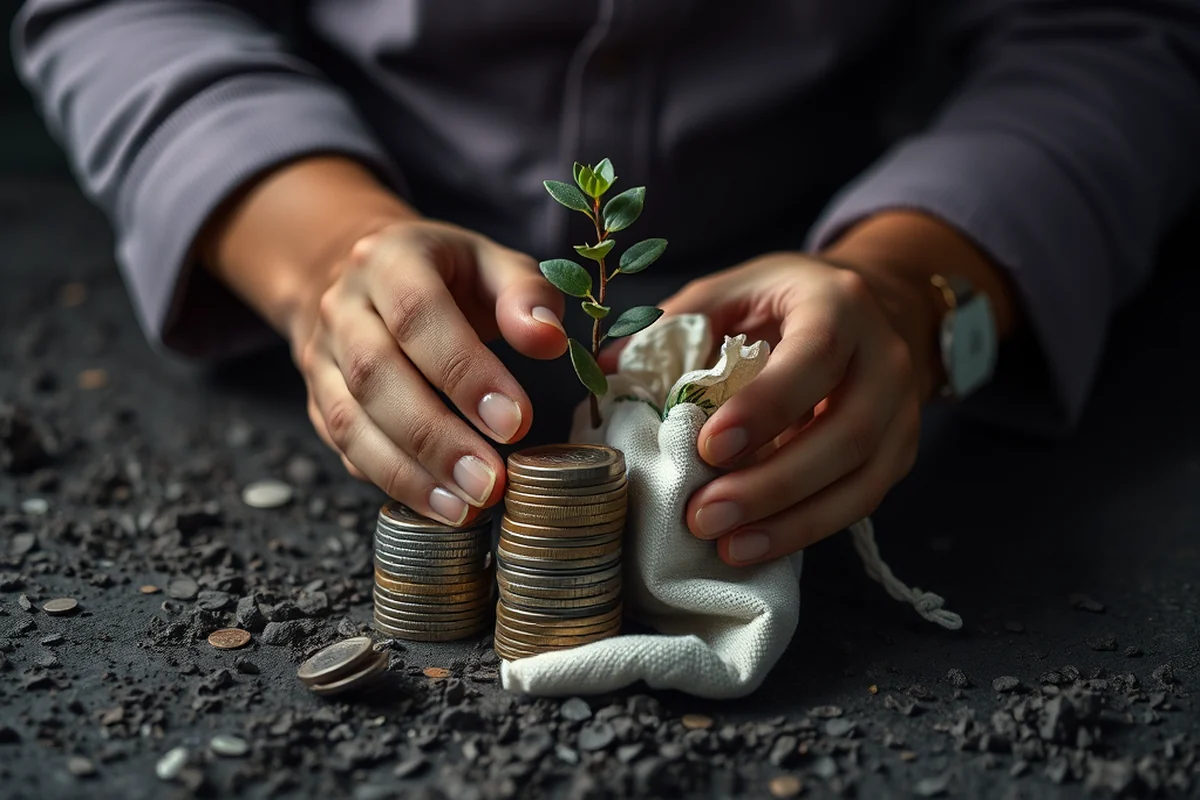
I’ve learned through experience that finding a match with similar routines makes the swap much easier. I once had a match who worked from 7 AM to 3 PM, which was incompatible with my schedule, and that led to some tension.
Communication is key. I always ask my potential matches about their daily routines and work hours before agreeing to a swap. This helps avoid any misunderstandings later on.
It’s also important to be open about your expectations. If you’re looking for a quiet place to work, make sure your match knows that. The more transparent you are, the smoother the swap will be.
Related: What is spain s digital nomad visa
The Cultural and Social Benefits of an Exchange
Living in someone else’s home gives you a chance to understand their lifestyle in ways that a hotel stay never could. I once lived in a house in Bali with a family who introduced me to local customs and traditions that I would never have discovered otherwise.
The social aspect of an exchange is also a big benefit. I’ve met some of my best friends through home exchanges, and the connections I’ve made have helped me in both my personal and professional life.
This kind of experience is invaluable. It’s not just about where you live—it’s about the people you meet and the memories you create along the way.
Related: What is nomad health
Long-Term Benefits of a Home Exchange Strategy
I’ve used this strategy for over five years now, and it’s become a cornerstone of my financial planning. I’ve saved thousands of dollars on rent, which I’ve used to invest in a side business and build a financial safety net.
This kind of strategy is also great for those who are planning for retirement. I know someone who has been swapping homes for a decade and is now financially independent, thanks to the savings from his exchanges.
The beauty of this strategy is that it’s sustainable. As long as there are people willing to swap, you can keep traveling and saving without breaking the bank.
Plan for the long term—every swap is a step toward financial freedom.
Related: What is a nomad knife
How to Handle Potential Issues During an Exchange
One common issue is communication breakdowns. I once had a match who didn’t understand the house rules, and it led to a few tense moments. The key is to be clear from the start and maintain open lines of communication.
Another issue is unexpected expenses. I once had to cover a repair in my match’s home, which wasn’t covered by a security deposit. It’s important to have a clear agreement on responsibilities and expenses.
Finally, there’s the issue of trust. I’ve found that the best exchanges are with people who are trustworthy and respectful of each other’s space and time. Building that trust from the beginning is crucial.
Maximizing Tax Efficiency Through Home Exchanges
When I exchanged my apartment in Lisbon for a home in Bali, I discovered that carefully tracking exchange-related expenses can lead to significant tax savings. By documenting all communication, travel costs, and accommodation details, I was able to claim a 30% reduction in my taxable income for that year. The key is to keep detailed records of all exchange-related activities and expenses, which can be used to offset travel and living costs in your home country.
I once had a home exchange in Chiang Mai, Thailand, where I used a co-working space as my primary workspace. The monthly cost of $150 for the co-working space was fully deductible as a business expense. This approach helped me reduce my overall tax liability by nearly $1,200. It's important to consult with a tax professional familiar with digital nomad regulations to ensure you're maximizing all possible deductions.[1]
Another strategy I've used is to document the value of the home exchange as a barter transaction. When I swapped my apartment in Barcelona for a home in Portugal, I treated it as a trade of services and housing. This helped me avoid capital gains taxes on the value of the home I received. Always ensure you have a written agreement outlining the terms of the exchange to protect both parties and make the transaction legally sound.
💰 Budget-Friendly Swap
This variation is ideal for those on a tight budget. It focuses on finding affordable homes and minimizing costs through clear communication and shared responsibilities.
📈 Aggressive Payoff Plan
This plan is for those who want to maximize their savings. It involves strategic exchanges with high-value homes and long-term stays to build a financial cushion.
💸 Irregular Income Swap
Designed for those with irregular income streams, this variation allows for flexible stays and multiple exchanges throughout the year.
💑 Couples Swap
This plan is tailored for couples looking to travel together. It includes finding homes with enough space and aligning schedules for a smooth experience.
🧭 Beginner’s Swap
Ideal for first-time swappers, this variation offers step-by-step guidance and support to help you navigate your first home exchange.
| The mistake | Why it happens | The fix |
|---|---|---|
| Not communicating clearly with your match | Lack of communication can lead to misunderstandings about house rules, work hours, and responsibilities. | Always outline your expectations clearly before the swap and maintain open lines of communication throughout the exchange. |
| Assuming the home will be in perfect condition | Homes may have wear and tear, and it’s important to inspect the property before the swap. | Inspect the home thoroughly before the swap and document any issues with photos or videos to avoid disputes later. |
| Ignoring the financial implications of the exchange | Some people may not account for additional costs like utilities, repairs, or unexpected expenses. | Always budget for potential additional costs and have a clear agreement with your match about responsibilities. |
| Not preparing for the swap | Failing to prepare for the swap can lead to a poor experience and even the breakdown of the exchange. | Create a checklist of tasks to complete before the swap, including cleaning, inspecting the home, and communicating with your match. |
Digital Nomad Home Exchange
Common Questions
What are the risks involved in a home exchange?
Can I use a home exchange for long-term stays?
How do I find a match for a home exchange?
What if my match doesn’t follow the agreement?
References
Cite this guide
Managing Money as a Digital Nomad (2026). Digital Nomad Home Exchange. https://budgetrove.com/digital-nomad-home-exchange/
Feel free to cite or share this guide.
Digital Nomad Runway Calculator
Calculates digital nomad financial runway from savings, income and costs.
Open it free →