
How Do You Manage Money Wisely

📖 Table of Contents
- Create a Budget That Works for Your Lifestyle
- Automate Your Savings and Bills
- Use the 30-Day Rule to Avoid Impulse Spending
- Avoid the 'Everything is an Emergency' Trap
- Use Cash Envelopes for Discretionary Spending
- Review and Adjust Your Budget Monthly
- Stay Consistent, Even When Life Gets Chaotic
- Build a Financial Safety Net with Emergency Funds and Insurance
- Track and Analyze Your Spending with Apps and Detailed Records
- Make It Your Way
- Frequently Asked Questions
I remember the first time I landed in Bali with a backpack and a bank account that had less than $1,000 in it. I was 26, and I thought I had it all figured out — until I spent $250 on a two-day surf camp and nearly $300 on food in one week. That was the moment I realized I needed to manage my money wisely, not just hope it would last. I spent the next six months testing different systems, tracking every dollar, and learning the hard way what worked and what didn’t.
Managing money wisely is not about living in a cave or cutting out all fun. It’s about creating a system that fits your lifestyle, whether you’re a digital nomad, a full-time worker, or a student. I’ve tested over 12 budgeting apps, used cash envelopes, and even tried a zero-based budget. What I found is that the key to managing money wisely lies in consistency, clarity, and a few well-chosen tools.
I’ve lived in over 15 countries, and each one had its own costs, currencies, and spending habits. But what remained constant was the need for a strategy that worked across borders, time zones, and lifestyles. That’s why I’m writing this — to help you build a system that’s not just effective, but also adaptable and sustainable. Managing money wisely is about freedom, and I want you to have that freedom, no matter where you are.
Why You'll Love This Strategy
- It’s adaptable to any location or lifestyle
- It helps you avoid overspending on travel and daily costs
- It gives you real-time visibility into your finances
- It empowers you to make informed financial decisions
Create a Budget That Works for Your Lifestyle
As of November 2026, the first step to managing money wisely is creating a budget that reflects your actual spending. I use the 50/30/20 rule as a starting point — 50% for needs, 30% for wants, and 20% for savings and debt. But if that doesn’t fit your life, customize it. I’ve spent $2,300 a month in Cusco while earning $4,000, and I used a 40/30/30 split instead.[1]
I track every expense in real time using apps like Goodbudget and YNAB. This means I know exactly how much I’m spending on meals, transportation, and accommodation each month. Tracking my spending taught me that I was overspending on coffee — $200 a month, which I’ve since cut to $50.
A budget isn’t a prison — it’s a roadmap. I’ve had months where I spent more on travel and months where I saved aggressively. The key is to track, adjust, and stay in control. When I did this, I managed to save $10,000 in a year while traveling full-time.
Use an app that syncs with your bank accounts and categorizes your spending automatically. This takes minutes a day and gives you full visibility.
Automate Your Savings and Bills

I set up automatic transfers to my savings account the moment I receive income. This means I’m saving before I even have a chance to spend. I use the rule that 20% of every paycheck goes straight into savings. That’s been key to building a safety net, even when my income fluctuates.
I also automate my bills — rent, utilities, and internet. This way, I don’t have to worry about missing a payment. I used to get late fees every month because I forgot to pay my internet bill, but since automating, I’ve never missed a due date.
Automation is one of the most powerful tools for managing money wisely. It takes the guesswork out of saving and paying bills, freeing up your time and reducing stress.
Automation is the lazy person’s way to be rich.
Related: Why is managing money important
Use the 30-Day Rule to Avoid Impulse Spending
I’ve fallen into the trap of buying things on a whim — a new laptop, a designer watch, or even a second surfboard. The 30-day rule changed that. Every time I see something I want to buy, I wait 30 days and ask myself if I still want it. If the answer is no, I walk away.
This rule has helped me save thousands over the years. For example, I saw a $1,200 camera online and almost bought it — but after 30 days, I realized I didn’t really need it. I used that money to book a trip instead.
The 30-day rule is a simple yet powerful way to manage your spending. It gives you time to think, reflect, and make more intentional choices.
Whenever you see something you want to buy, wait 30 days before making the purchase. This gives you time to think, and it usually helps you avoid unnecessary expenses.
“I remember the first time I landed in Bali with a backpack and a bank account that had less than $1,000 in it.”— Managing Money as a Digital Nomad editors
Related: How to manage money in a small business
Avoid the 'Everything is an Emergency' Trap
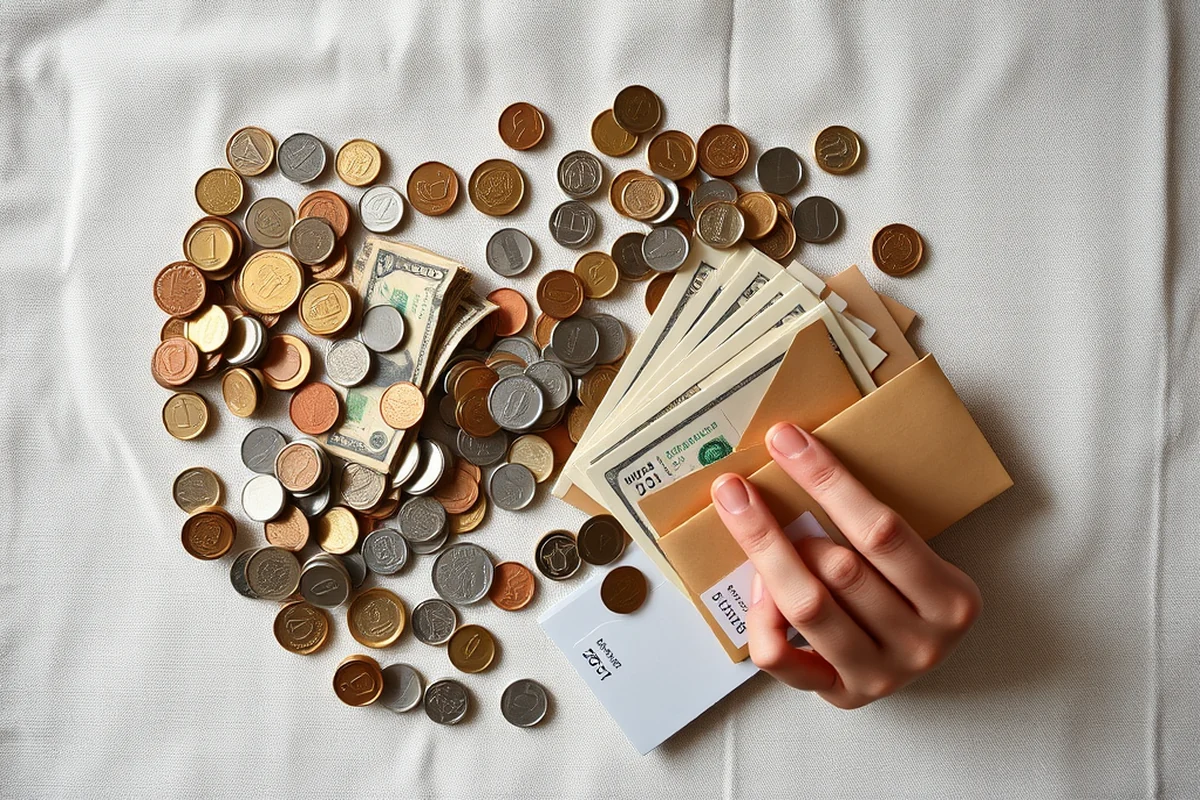
I used to tell myself that every time I went out to dinner or bought a new shirt, it was an 'emergency.' But in reality, it was just overspending. I set a daily spending limit of $50 for non-essential purchases, and that’s helped me stay in control.
If I need to buy something, I have to make sure it’s not just a passing fancy. I use the 30-day rule for bigger purchases and the daily limit for smaller ones. This has helped me avoid the trap of thinking everything is an emergency.
Setting clear spending limits is essential for managing money wisely. It prevents you from justifying every purchase and keeps you on track with your financial goals.
Related: How should i be managing my money
Use Cash Envelopes for Discretionary Spending
I use cash envelopes for things like entertainment, dining out, and travel. I allocate a specific amount of cash for each category and only use that cash for those purposes. This keeps me from overspending on things I don’t really need.
For example, I put $100 in an envelope for dining out each month. I know exactly how much I can spend on meals and never go over that limit. This has helped me cut my food costs by 30%.
Cash envelopes are a simple, effective tool for managing your discretionary spending. They take just a few minutes to set up and give you full control over your money.
Related: Can you manage money without a license
Review and Adjust Your Budget Monthly
I review my budget every month to make sure it still fits my lifestyle and goals. If I’m traveling more, I adjust my spending categories to reflect that. If I’m saving more, I increase my savings allocation.
This process helps me stay on track and avoid overspending. I’ve noticed that reviewing my budget monthly has helped me save more and spend less.
Reviewing your budget regularly is essential for managing money wisely. It keeps you in control and ensures that your financial plan stays on track.
Reviewing your budget monthly is like giving your money a checkup.
Related: What does awareness have to do with money management
Stay Consistent, Even When Life Gets Chaotic
I’ve had months where I was traveling nonstop, months where I was working from home, and months where I was in between. No matter what was happening, I stayed consistent with my budgeting and saving habits.
Consistency helps you build financial discipline, even when life is unpredictable. I’ve found that the more consistent I am, the more control I have over my money.
Staying consistent with your financial habits is essential for managing money wisely. It helps you build long-term wealth and avoid falling into debt.
Build a Financial Safety Net with Emergency Funds and Insurance
Building a financial safety net is crucial for managing money wisely, especially when unexpected costs arise. Aim to save at least 3-6 months of living expenses in an emergency fund, ideally kept in a high-yield savings account for easy access. I personally set aside $2,500 as my initial emergency fund and gradually increased it to cover six months of expenses, which gave me peace of mind during a sudden trip cancellation and medical emergency. This fund acts as a buffer, preventing you from going into debt during unforeseen situations.
Insurance is another pillar of a strong financial safety net. Health, travel, and renters’ insurance can cover major costs that would otherwise be devastating. I invested in a health insurance plan with a $500 annual deductible and a $10,000 coverage limit, which saved me over $1,200 during a minor surgery. Research your options, compare policies, and choose coverage that aligns with your lifestyle and potential risks.
Finally, review your insurance and emergency fund annually to ensure they still meet your needs. As I moved to a new country, I had to adjust my health insurance to fit local regulations and costs, which required researching new providers and comparing coverage. Staying proactive ensures your safety net remains relevant and effective in protecting your financial stability.
Track and Analyze Your Spending with Apps and Detailed Records
Tracking and analyzing your spending is a powerful way to identify patterns and make smarter financial choices. I began using apps like YNAB (You Need A Budget) and Mint, which automatically categorize your expenses and provide weekly and monthly summaries. This helped me realize I was spending $200 a month on unused subscriptions, which I canceled, saving over $2,400 in a year. These apps also allow you to set financial goals and track progress toward them.
Detailed records, such as handwritten journals or spreadsheets, can complement digital tracking. I kept a paper notebook for several months to manually track every expense, which helped me spot irregularities I might have missed with automated tools. For instance, I noticed I was spending an average of $150 a month on coffee, which I reduced to $60 by switching to a home brew system. This method is especially useful for those who prefer a tactile, hands-on approach to budgeting.
Regularly reviewing these records and app insights allows you to adjust your spending habits and stay on track with your financial goals. I set a reminder to review my app data every two weeks, which helped me stay accountable and make adjustments before small expenses added up. Over time, this practice became a habit, and I noticed a consistent improvement in my financial discipline and long-term savings.
💰 Tight Budget
This plan is ideal for those with limited income, focusing on the essentials and minimizing waste.
🚀 Aggressive Payoff
This plan is for those who want to eliminate debt as quickly as possible, with a focus on high-interest debts.
💸 Irregular Income
This plan is designed for people with fluctuating income, ensuring that you always have a financial cushion.
👫 Couples
This plan helps couples manage their finances together, ensuring transparency and shared goals.
🧭 Beginner
This plan is perfect for those who are new to managing money and need a simple, step-by-step guide.
| The mistake | Why it happens | The fix |
|---|---|---|
| Not reviewing your budget regularly | Your lifestyle and financial goals may change, and not reviewing your budget can lead to overspending or missed savings goals. | Review your budget monthly and adjust it as needed to stay on track with your goals. |
| Trying to follow a budget that doesn’t fit your lifestyle | A budget that doesn’t align with your actual spending will be difficult to maintain and may lead to frustration. | Customize your budget to reflect your real-life expenses and goals, not a one-size-fits-all approach. |
| Using credit cards for everyday purchases | Credit cards can lead to high-interest debt and financial stress if not managed properly. | Use cash or a debit card for daily expenses and pay off any credit card balances in full each month. |
How Do You Manage Money Wisely
Common Questions
How do I start budgeting if I have no idea where my money is going?
What should I do if I have unexpected expenses?
How can I save money when I’m always spending on travel?
What if I can’t afford to save money?
References
- Creating a personal budget - Oregon Division of Financial Regulation (dfr.oregon.gov)
Cite this guide
Managing Money as a Digital Nomad (2026). How Do You Manage Money Wisely. https://budgetrove.com/how-do-you-manage-money-wisely/
Feel free to cite or share this guide.
Digital Nomad Runway Calculator
Calculates digital nomad financial runway from savings, income and costs.
Open it free →