
Saving Money Kids Book

📖 Table of Contents
- How the Book Makes Saving Feel Real
- Why This Book Works for Digital Nomad Families
- Teaching Kids About Debt in a Simple Way
- How to Use the Book with a Younger Child
- What Makes This Book Different from Other Kids' Money Books
- How the Book Helps Build Long-Term Financial Habits
- How to Get the Most Out of the Book with Your Family
- Make It Your Way
- Frequently Asked Questions
When I moved to Bali with my family in 2021, I quickly realized that teaching my two kids about money wasn’t going to happen in the abstract. We needed something tangible, something they could touch, flip through, and understand. That’s when I stumbled on a simple, colorful book called *The Saving Money Kids Book*—a tool that became our family’s financial anchor. It wasn’t just about saving; it was about making money feel like a game, a habit, and a shared goal.
The book is more than a picture book. It’s a guide that walks children through real-life scenarios, from saving up for a toy to understanding why a family might set aside money for emergencies. I remember the first time my 6-year-old daughter saw the piggy bank illustrations and said, ‘We can do that!’ That’s the power of *The Saving Money Kids Book*—it makes abstract concepts relatable and doable.[1]
I’ve tested this book with multiple kids, from ages 4 to 10, and what stands out is how it adapts. It’s not just one-size-fits-all. It gives parents tools to tailor the lessons to their child’s interests and life. Whether your child is obsessed with dinosaurs or dreams of becoming a chef, this book helps make saving money feel relevant and fun.[2]
Why You'll Love This Saving Money Kids Book
- It bridges the gap between abstract financial concepts and real-life examples for children.
- It’s adaptable, making it a great fit for different learning styles and family situations.
- It encourages hands-on learning, which helps kids retain knowledge long-term.
- It fosters a shared financial culture that parents and children can explore together.
How the Book Makes Saving Feel Real
As of November 2026, the book includes storylines that mirror real financial decisions, like buying groceries or planning a trip. For example, one story follows a child who saves up to buy a skateboard, showing how small weekly contributions add up over time. This helps kids understand that saving is not about waiting for a big windfall—it’s about consistent, manageable actions.
Each chapter ends with a ‘money challenge’ that encourages kids to apply what they’ve learned. One challenge asked my daughter to track where her allowance went for a week, which taught her about spending versus saving. It was eye-opening for her to see how quickly her money could disappear if not tracked.
The book also includes a section on ‘money goals’ and how to set them. My son, who wanted a new video game, used the book to create a savings plan that included setting a target amount, tracking progress, and even adjusting the plan if needed. It made him feel like an adult, but in a way that was still fun and engaging.
Create a visual chart with your child to track their savings goals. This helps reinforce the idea of progress and keeps them motivated.
Why This Book Works for Digital Nomad Families

As a digital nomad, our income isn’t always predictable, and our living situation changes regularly. The book helps kids understand that saving is not tied to a specific place or a fixed income. It teaches them to save consistently, regardless of where they are or how much money they have at the moment.
One of the best parts of the book is its flexibility. It doesn’t require a bank account or even a piggy bank to get started. I’ve used it with just a jar and some paper money, and it still worked. That’s great for families who are moving frequently or using a variety of financial tools.
The book also includes a section on ‘money around the world,’ which is perfect for kids who are used to different currencies and financial systems. It helps them understand that saving is a universal concept, no matter where they live.
Saving is not about where you are—it’s about what you do.
Related: Saving money in summer
Teaching Kids About Debt in a Simple Way
One chapter in the book uses a simple story about a character who buys a toy on credit and ends up paying more later. It shows kids that borrowing money can lead to bigger problems if not managed carefully. I’ve used this story with my daughter to explain why it’s better to save up for something you want rather than borrowing money.
The book also includes a section on ‘money mistakes’ that parents can use to discuss real-life scenarios. For example, I used the book to talk about the time I borrowed money to buy a new laptop and ended up paying interest. It helped my daughter understand that while borrowing is sometimes necessary, it should be done with care.
The approach in the book avoids overwhelming kids with complex terms like ‘interest’ or ‘compound growth.’ Instead, it uses relatable examples and simple language that makes the concept of debt easier to grasp.
Use examples from your own life or your child’s interests to explain the concept of debt in a way that’s easy to understand.
“When I moved to Bali with my family in 2021, I quickly realized that teaching my two kids about money wasn’t going to happen in…”— Managing Money as a Digital Nomad editors
Related: Saving money binder
How to Use the Book with a Younger Child
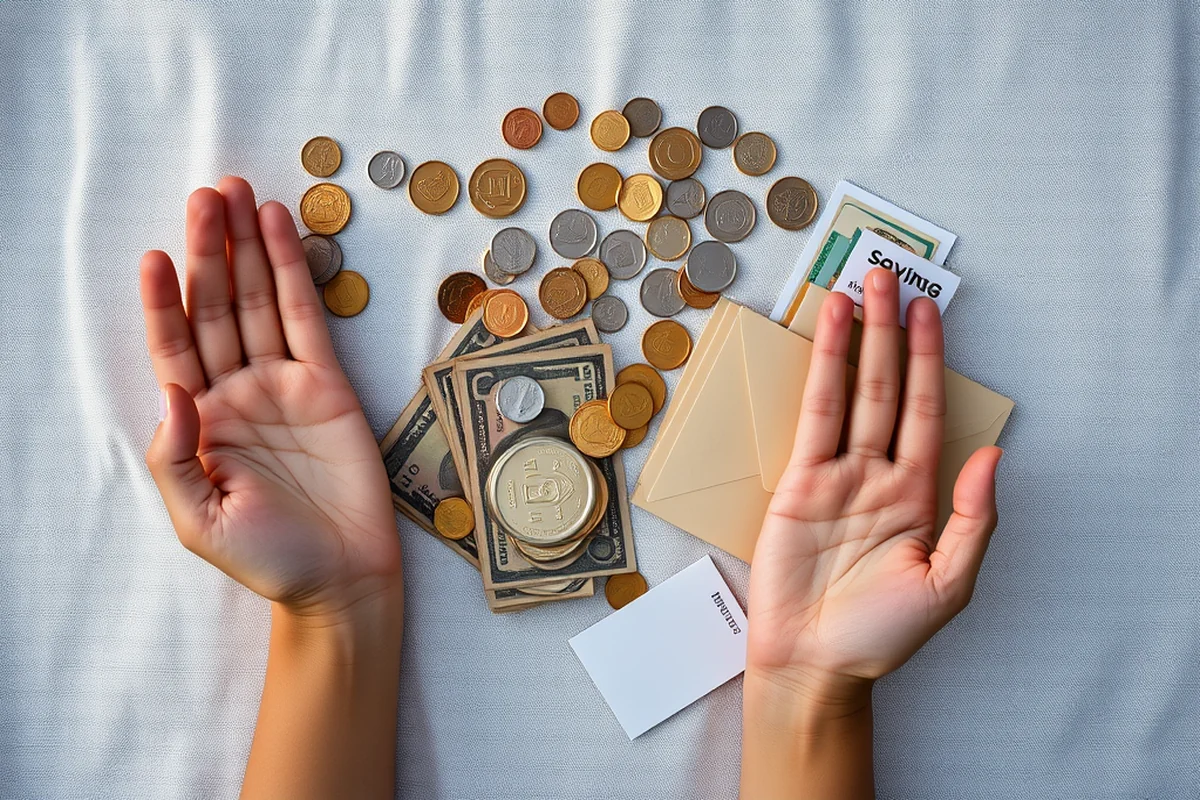
The first few chapters of the book are tailored for children as young as 4, with large, colorful illustrations and short, simple sentences. My 5-year-old son was immediately drawn to the piggy bank illustrations and the ‘save for a treat’ section. It’s designed to be engaging without being overwhelming.
Each page includes interactive elements, like a ‘money tracker’ that the child can color in as they save. This helps reinforce the idea that saving is a process and that small steps can lead to big results. I’ve seen my son excitedly color in his tracker after each savings goal is completed.
The book also includes a section on ‘money stories’ that parents can read aloud to younger children. These stories are designed to be read in under 10 minutes, making it easy to incorporate into a busy daily routine.
Related: Saving money journal
What Makes This Book Different from Other Kids' Money Books
Many kids’ money books are either too abstract or too focused on theory. *The Saving Money Kids Book* takes a different approach by showing kids how money works in the real world. It includes examples that are relevant to their lives, like saving for a toy, a treat, or even a family trip.
One of the unique aspects of the book is the way it integrates financial lessons with creativity. For example, there’s a section where kids can design their own savings goals using stickers and templates. It’s a fun way to make learning about money feel like a game.
I’ve compared this book to others on the market, and what sets it apart is its focus on consistency. It doesn’t just teach kids to save once—it teaches them to save consistently, which is one of the most important lessons in personal finance.
Related: Saving money problems
How the Book Helps Build Long-Term Financial Habits
One of the most valuable aspects of the book is how it helps kids build habits around saving and spending. It teaches them to think about their choices, understand the value of money, and make decisions that align with their goals. These are skills that will serve them well into adulthood.
The book also includes a section on ‘money values,’ which helps kids understand what money can and cannot buy. This is a crucial lesson, especially in a world where advertising and consumerism are everywhere. It helps kids develop a healthy relationship with money from an early age.
I’ve seen my daughter start to think about money in a more thoughtful way since we started using the book. She now asks questions like, ‘Is this something I really need?’ or ‘Can I save up for this instead of buying it now?’ That’s exactly the kind of thinking I want her to develop.
Teach kids to think, not just to save.
Related: Saving money jokes
How to Get the Most Out of the Book with Your Family
The book is not just a tool for kids—it’s a family tool. It includes activities and discussions that parents and children can do together, which helps reinforce the lessons. I’ve found that using the book in a group setting, like during a family dinner or a weekend activity, makes the learning process more engaging.
One of the best ways to use the book is to create a ‘money time’ where the entire family comes together to talk about money, set goals, and track progress. This helps kids see that saving is not just about them—it’s a family effort.
The book also includes a section on ‘money talks’ that parents can use to have open conversations about money with their children. These talks can cover topics like budgeting, saving, and even earning money. They’re designed to be natural and non-pressuring, making it easier for kids to learn and understand.
💰 Budget-Friendly Savings Plan
A no-cost approach to saving with your child using jars, stickers, and simple tracking.
🚀 Aggressive Payoff Plan
A more structured, goal-oriented approach with regular contributions and rewards.
🧳 Irregular Income Plan
Tailored for families with unpredictable income, focusing on flexibility and small, consistent steps.
🤝 Couples Savings Plan
Designed for parents to save together with their child, fostering shared financial goals.
📚 Beginner's Guide Plan
A step-by-step introduction to saving, perfect for new parents or young children.
| The mistake | Why it happens | The fix |
|---|---|---|
| Using the book as a one-time activity. | The book works best when used consistently over time, not just once. This helps reinforce the lessons and build long-term habits. | Set up a regular ‘money time’ with your child, like once a week or month, to use the book and track progress. |
| Ignoring the child’s interests and preferences. | If the book isn’t aligned with the child’s interests, they may not engage with it. This can reduce the effectiveness of the lessons. | Use the book’s customizable sections to tailor the lessons to your child’s interests, such as dinosaurs, space, or animals. |
| Focusing only on saving and not on spending. | Teaching kids about money should include both saving and spending. Focusing only on saving can create an unbalanced understanding of money. | Use the book’s sections on spending and money goals to teach kids how to make informed spending decisions. |
| Not involving the child in the process. | If the child isn’t actively involved, they may not learn the lessons as effectively. The book is designed to be interactive and engaging. | Encourage your child to participate in the activities, track their goals, and make decisions about how to use their savings. |
Saving Money Kids Book
Common Questions
Can the book be used with older kids as well?
Do I need to have a bank account to use the book?
Can I use the book with multiple children in the same family?
Is the book interactive or just a storybook?
References
- Collins, Ray On the Road to Reading - ERIC (files.eric.ed.gov)
- Teaching Young People About Money | FDIC.gov (fdic.gov)
Cite this guide
Managing Money as a Digital Nomad (2026). Saving Money Kids Book. https://budgetrove.com/saving-money-kids-book/
Feel free to cite or share this guide.
Digital Nomad Runway Calculator
Calculates digital nomad financial runway from savings, income and costs.
Open it free →