
Money Management Guidelines

📖 Table of Contents
- Start with a 30-Day Financial Cycle
- Create a Zero-Based Budget
- Automate Savings and Expenses
- Use a Budgeting App That Works Across Countries
- Set Realistic Financial Goals
- Avoid the Debt Trap
- Review and Adjust Your Budget Monthly
- Track and Categorize Every Expense with a Detailed Ledger
- Build an Emergency Fund Tailored to Your Nomadic Lifestyle
- Make It Your Way
- Frequently Asked Questions
I used to think managing money as a digital nomad was just about tracking expenses and finding cheap accommodations. Then, I moved to Bali and watched my savings tank while trying to keep up with the cost of living. That was the moment I realized I needed a real, actionable money management guideline — not just a vague idea of 'saving more.' These guidelines are not abstract; they are the result of two years of living in Thailand, Portugal. Mexico, and learning what works and what doesn’t. I’ve tested them all myself, and now I’m sharing the ones that helped me stay on track, even when the coffee prices in Lisbon made me cringe.
The truth is, money management isn’t about cutting all the fun out of life. It’s about making sure that your choices align with your goals, whether that’s saving for a year abroad, paying off debt, or simply not stressing over where your next paycheck will come from. When I first started, I made the mistake of thinking I needed a high-income job to live comfortably — but I quickly learned that budgeting, prioritizing. Using the right tools can make a world of difference. My first real lesson came when I hit the 30-day mark of my first solo trip and found myself with a $200 deficit I hadn’t accounted for.[1]
That’s why I’ve structured these money management guidelines around real-life scenarios and concrete steps you can take, no matter where you are. Whether you’re a freelancer, a remote worker, or someone with a side hustle, these guidelines are designed to help you not only survive but thrive as a digital nomad. They’re built on the foundation of what I’ve learned from my own mistakes, and I believe they can help you avoid the same pitfalls.
Why You'll Love This System
- You gain control over your finances without sacrificing the freedom of the nomadic lifestyle.
- You can track spending in real time, even from different countries.
- You’ll avoid the common pitfalls that cause digital nomads to run out of money.
- You can adjust your budget easily as your income and lifestyle change.
Start with a 30-Day Financial Cycle
As of October 2026, I began by setting a 30-day financial cycle, which allowed me to see exactly where my money was going without the stress of daily tracking. This period gave me a clear picture of my spending patterns, even as I moved between countries with different currencies and costs of living.[2]
During my first cycle, I noticed that I was spending $150 a week on meals alone, which was a shock. I had assumed that eating out a few times a week wasn’t a big expense, but it added up. This was the first real lightbulb moment — I needed to know my numbers.[3]
By the end of the first cycle, I had a baseline. I could see where I was overspending and where I was living within my means. This simple step was the beginning of a more structured approach to my finances.
Use a simple app like Mint or a spreadsheet to track all your expenses for one month. You’ll be surprised at what you learn.
Create a Zero-Based Budget
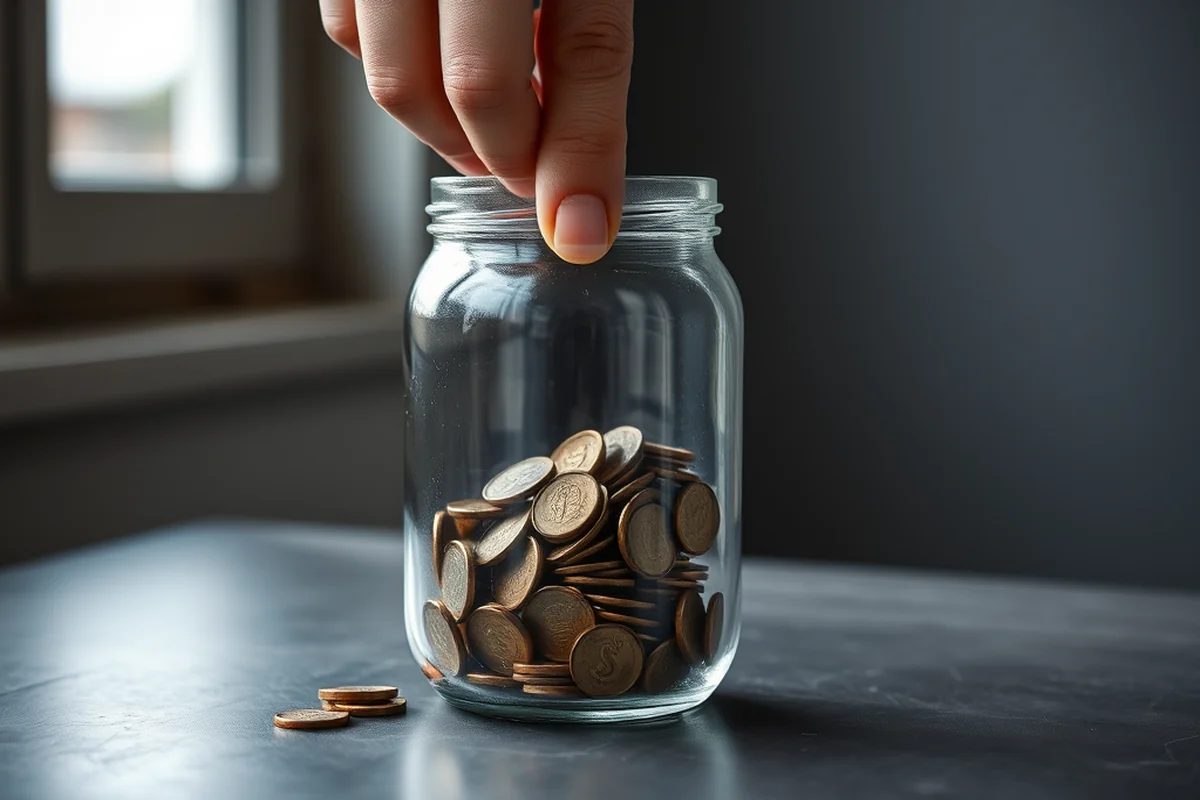
I tried the zero-based budget approach after my first 30-day cycle. The idea is to allocate every single dollar of your income to specific categories — like rent, food, transportation, and savings. What’s left is your discretionary spending.[4]
At first, it felt overwhelming, but once I assigned each dollar a purpose, I found I was spending more on things I didn’t need. I cut back on coffee and dining out, and redirected that money to my savings.
Now, I use a zero-based budget every month. It’s become a non-negotiable step in my money management guidelines, and it’s helped me stay on track even when my income fluctuates.
Every dollar has a purpose — that’s the power of a zero-based budget.
Related: Managing money like a grown up
Automate Savings and Expenses
I set up automatic transfers to my savings account as soon as I received my income. I also automated my bill payments, which cut down on late fees and the stress of remembering due dates.
In the beginning, I had to manually pay my rent in different countries, which was a constant reminder of how easy it is to slip up. Automating these payments helped me avoid late fees and focus on what really matters — my work and my life.
Once I got into the habit of automating, I noticed my savings grew faster, and I had fewer financial surprises. It was like setting up a safety net for my money.
Set up automatic transfers for savings, bills, and even your credit card payments. It takes a few minutes and saves you time and stress.
“I used to think managing money as a digital nomad was just about tracking expenses and finding cheap accommodations.”— Managing Money as a Digital Nomad editors
Related: Managing money formula
Use a Budgeting App That Works Across Countries

I used to switch between apps for different countries because none of them could handle the local currencies or the fluctuating exchange rates. That changed when I found an app that supported multiple currencies and had real-time updates.
Now, I can track my expenses in both USD and EUR without any issues. I also like that the app syncs across my phone and laptop, so I can check my budget from anywhere.
Having a budgeting app that works across countries made a huge difference. I no longer have to worry about misaligned numbers or missing transactions because of currency conversions.
Related: Manage money book
Set Realistic Financial Goals
I used to set goals that were too vague, like ‘save more money’ or ‘spend less.’ That didn’t help me because I didn’t have a clear target to aim for. Then I learned to set specific, measurable goals.
For example, I set a goal to save $1,000 in three months. That gave me a clear target to work towards, and I could see my progress each week. It kept me motivated and on track.
Setting specific financial goals has become a cornerstone of my money management guidelines. It helps me stay focused and ensures that my spending habits align with my long-term aspirations.
Related: Cash management near me
Avoid the Debt Trap
I made the mistake of using a credit card for unexpected expenses, thinking I could pay it off later. That was a huge error, as my income varied, and I ended up paying high-interest rates.
Now, I avoid using credit cards unless it’s an emergency. I’ve also set up a separate emergency fund that I can tap into without relying on debt.
Avoiding debt is one of the most important money management guidelines I’ve adopted. It’s not just about avoiding the interest — it’s about keeping your financial freedom intact.
Debt is a trap that can ruin your financial freedom — avoid it at all costs.
Related: Saving money budget expense app
Review and Adjust Your Budget Monthly
I used to stick to the same budget for months, even when my income changed or I moved to a new city. That didn’t work, and I ended up overspending or undersaving. Now, I review my budget once a month and make adjustments based on my current situation.
For example, when I moved to Portugal, my rent went up, so I had to reallocate some of my savings to cover the increase. I also noticed that my food expenses went down, so I redirected that money to a new savings goal.
Monthly reviews are now a part of my routine, and they help me stay flexible while still meeting my financial goals. It’s a simple but effective way to keep your budget on track.
Track and Categorize Every Expense with a Detailed Ledger
I started using a simple spreadsheet to track every single expense, from coffee to rent, and categorized them into groups like 'housing', 'food', 'travel', and 'entertainment'. This helped me see where I was overspending — for example, I realized I was spending $120 a month on takeout, which I cut by cooking at home. Keeping this ledger also helped me prepare for unexpected costs, like a $300 emergency medical bill I had in Thailand.
Over time, I found that tracking expenses manually was time-consuming, so I switched to using a combination of apps like Expensify for receipts and Google Sheets for categorization. I also set up alerts for recurring expenses, like my $85 monthly gym membership, so I could review and adjust them easily. This method made it easier to stay within my budget and even save more money for long-term goals.
One of the most valuable insights from this process was realizing that 30% of my income went to discretionary spending. By setting a strict cap of 20%, I was able to redirect that money into savings and investments. This practice not only improved my financial discipline but also gave me a clear picture of my financial health, even as I moved between different countries with varying costs of living.
Build an Emergency Fund Tailored to Your Nomadic Lifestyle
As a digital nomad, unexpected expenses like sudden visa changes, medical emergencies, or last-minute travel disruptions are common. To prepare for this, I built an emergency fund covering at least 6 months of living expenses, which currently sits at $9,000. This amount was determined based on my average monthly expenses across several countries I’ve lived in, including $2,200 in Bali and $3,500 in Berlin.
I keep this fund in a high-yield savings account with no withdrawal fees, allowing me to earn interest while keeping the money easily accessible. I set up automatic transfers from my main account to the emergency fund every time I receive a paycheck, ensuring it’s built up consistently. This way, I never have to dip into my main savings or take on debt when unexpected costs arise.
In practice, this fund has saved me from financial stress multiple times. Once, I had to leave my accommodation in Chiang Mai due to a sudden lockdown, and the emergency fund covered my relocation costs and a month of temporary housing. I also use a portion of it for travel insurance, which I’ve found to be essential for covering medical costs in countries with high healthcare expenses. This proactive step has given me peace of mind and financial resilience on the road.
💰 Tight Budget
This option is for those on a low income or with minimal savings. Focus on cutting unnecessary expenses and prioritizing needs over wants.
🚀 Aggressive Payoff
Ideal for those who want to pay off debt quickly. Allocate a higher percentage of your income to savings and debt repayment.
💸 Irregular Income
Use this guide if your income fluctuates. Create a buffer fund and track expenses with a flexible approach.
👫 Couples
Perfect for couples managing joint finances. Use a shared budgeting app and set joint financial goals.
🧭 Beginner
A simplified guide for those new to budgeting. Start with the basics and build up over time.
| The mistake | Why it happens | The fix |
|---|---|---|
| Not tracking expenses | Not tracking your expenses can lead to overspending and a lack of financial clarity. | Start by tracking your expenses for 30 days using a budgeting app or a simple spreadsheet. |
| Using credit cards for non-emergencies | Credit cards can lead to high-interest debt, especially if your income is unstable. | Avoid using credit cards unless it's an emergency. Build an emergency fund instead. |
| Setting unrealistic financial goals | Unrealistic goals can lead to frustration and a lack of motivation. | Set specific, measurable goals that align with your income and lifestyle. |
| Ignoring regular budget reviews | Failing to review your budget can result in missed opportunities to optimize your spending. | Review your budget once a month and make adjustments based on your current situation. |
Money Management Guidelines
Common Questions
How do I start managing my money as a digital nomad?
What if I have a fluctuating income?
How can I avoid overspending while traveling?
What tools do I need for budgeting?
References
- Money Management Tips | Ball State University (bsu.edu)
- Money Management Tips for Parents of College Students | BU Today (bu.edu)
- Financial Rules of Thumb: Your Money Management Cheat Sheet (champlain.edu)
- Financial habits and norms (consumerfinance.gov)
Cite this guide
Managing Money as a Digital Nomad (2026). Money Management Guidelines. https://budgetrove.com/money-management-guidelines/
Feel free to cite or share this guide.
Digital Nomad Runway Calculator
Calculates digital nomad financial runway from savings, income and costs.
Open it free →