What Is A Nomad Capitalist
📖 Table of Contents
- What Is a Nomad Capitalist, Exactly?
- How Nomad Capitalists Manage Their Money
- How to Build Passive Income While on the Road
- The Importance of Financial Discipline While Traveling
- How to Save While Traveling as a Nomad Capitalist
- How to Build an Emergency Fund as a Nomad Capitalist
- How to Stay Invested While Traveling
- Make It Your Way
- Frequently Asked Questions
I used to think that financial freedom meant quitting my job and never working again — until I learned about the Nomad Capitalist lifestyle. It wasn’t about escaping responsibility, but about redefining how I earned and spent money while traveling. The idea of making money from anywhere, while exploring new cities and cultures, sounded too good to be true. But after spending 18 months on the road, balancing side hustles, remote work, and passive income, I realized that this lifestyle isn’t just a dream — it’s a strategy. I wasn’t just a digital nomad anymore; I was a Nomad Capitalist.
The term 'Nomad Capitalist' isn’t a buzzword. It’s a mindset — one that merges the flexibility of nomadic living with the structure of financial independence. It means managing your money with a focus on freedom, but also with the precision and discipline of a traditional capitalist. I used to be a broke traveler, constantly running out of cash and relying on side gigs that never paid enough. Then I discovered the power of investing in low-cost index funds, creating multiple income streams, and tracking my expenses with apps like YNAB. That shift turned me from a nomadic wanderer into a Nomad Capitalist.
What does that look like in practice? It looks like earning $4,000 a month from remote work, while making another $1,000 from affiliate marketing, and keeping a budget of $2,500 a month while traveling. It means knowing exactly where your money comes from and where it goes, even when you’re in a new country every few weeks. It means being financially literate enough to make smart decisions, even when you’re in a situation where you’d usually panic. That’s the Nomad Capitalist — not someone who relies on luck, but someone who builds systems that support their life on the road.
Why You'll Love This Lifestyle
- Freedom to live anywhere, anytime, without sacrificing financial goals.
- Ability to build multiple income streams while traveling.
- Clarity in managing money with tools designed for nomadic lifestyles.
- Control over your time and money, not the other way around.
What Is a Nomad Capitalist, Exactly?
As of September 2026, a Nomad Capitalist is not someone who lives off a single income stream while traveling. They build multiple income sources — remote work, passive income, freelance gigs, and more — and manage their money with the same discipline as someone who lives in one place. For me, that meant setting up a budget that worked across different countries, tracking my spending in real time, and investing in the stock market to build long-term wealth while on the road.
The key differentiator between a digital nomad and a Nomad Capitalist is the level of financial planning. A digital nomad might travel for a few months and then return home. A Nomad Capitalist plans for years, with their income and expenses structured in a way that allows them to stay on the road indefinitely. This means understanding how to live on a low budget, how to save for emergencies, and how to build multiple income sources that can sustain a nomadic lifestyle.
I learned the hard way that not having a financial plan can lead to disaster. In one country, I overspent on housing and ran out of money in three weeks. That was a wake-up call. Now, I use budgeting apps and set up automated savings and investment plans that work even when I’m not looking at my bank account. That’s the Nomad Capitalist mindset: staying in control of your finances, no matter where you are.
Track every dollar for one month, no matter where you are. This gives you a clear picture of your spending habits and helps you create a sustainable budget.
Part of our Nomad tax guide.
How Nomad Capitalists Manage Their Money
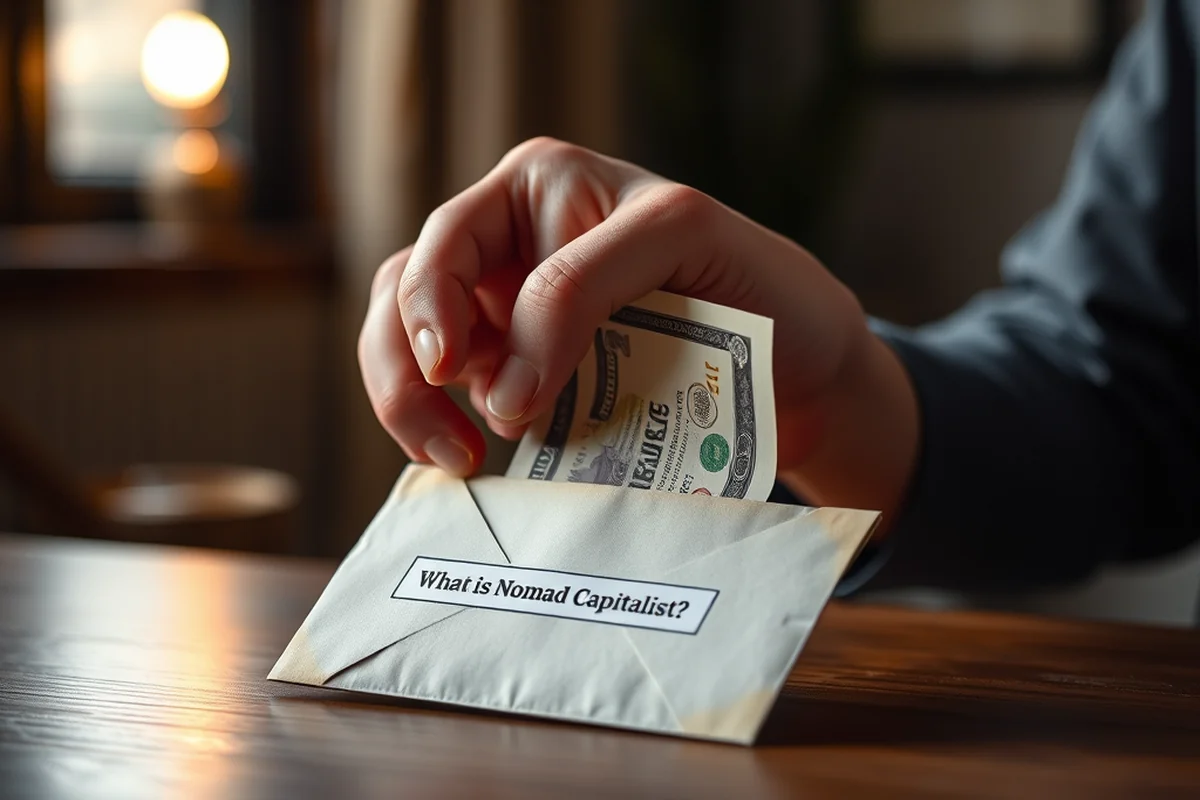
One of the biggest challenges of being a Nomad Capitalist is managing your money in different currencies and from different countries. That’s where tools like YNAB (You Need A Budget) and Mint come in. YNAB helped me allocate my budget with precision, making sure that I never spent more than I had. Mint, on the other hand, gave me real-time updates on my accounts, letting me know when I was over my limit or when I had an unexpected charge.
I also use Expensify to track my travel expenses, like flights, hotels, and meals. This app syncs with my credit cards and bank accounts, making it easy to categorize my spending. Being able to see exactly where my money is going, even when I’m in a new country, is essential for a Nomad Capitalist. It’s not just about having money — it’s about knowing where it is and how it’s being used.
The best part of these tools is that they’re all accessible from a smartphone. That means I don’t need to be in front of a computer to manage my finances. I can check my budget, track my spending, and even automate my savings from anywhere. That level of control is what makes a Nomad Capitalist different from someone who just travels for a few months and then returns home.
Tools like YNAB and Mint are the unsung heroes of the Nomad Capitalist lifestyle.
Related: Digital nomad kitas bali
Related: What is nomad the label
Related: What is a nomad backpack
How to Build Passive Income While on the Road
Passive income is the foundation of the Nomad Capitalist lifestyle. It’s the money that comes in without you having to work every single day. For me, that meant investing in low-cost index funds through platforms like Vanguard and Betterment. These funds have historically returned around 7-10% annually, and they’re managed by professionals, which takes the pressure off of me.[1]
Another source of passive income came from affiliate marketing. I partnered with travel companies and tech brands, earning a commission every time someone clicked on my links. This was something I did in my spare time — while I was working remotely or traveling. It didn’t require constant attention, but it did provide a steady income stream that helped me cover my expenses.
Even with passive income, I still had to be disciplined. I set aside 20% of my earnings into a separate account just for savings and investing. That meant I never spent my passive income on things like luxury hotels or expensive meals. It was all about control and planning — the core of the Nomad Capitalist mindset.
Set up automatic transfers from your passive income accounts to your savings or investment accounts. This ensures you’re always saving, even when you’re not thinking about it.
“I used to think that financial freedom meant quitting my job and never working again — until I learned about the Nomad Capitalist lifestyle.”— Managing Money as a Digital Nomad editors
Related: Digital nomad for bali
Related: Spain digital nomad tax
The Importance of Financial Discipline While Traveling
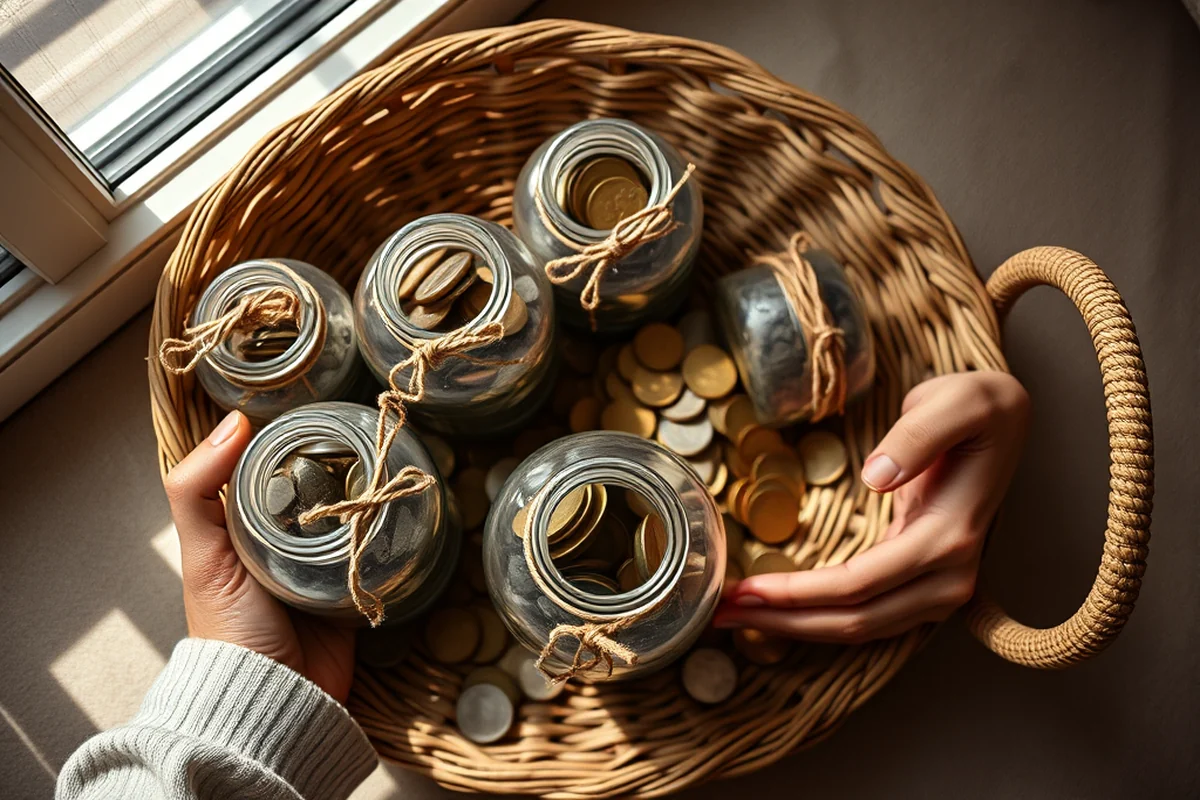
Living on the road is exciting, but it can be dangerous financially if you’re not disciplined. I’ve seen many digital nomads go broke because they spent too much on housing, dining out, or even buying unnecessary gadgets. That’s why I started tracking every single expense — from the cost of a hotel room to the price of a coffee. This level of discipline allowed me to stay within my budget and avoid financial stress.
Another key part of financial discipline is avoiding lifestyle inflation. As I earned more money, I could have easily spent it on nicer accommodations or more expensive travel experiences. But I resisted that temptation. Instead, I kept my budget the same, even when I had more income. That meant I could save more and invest more, which helped me build long-term wealth.
Financial discipline also meant being cautious with my debts. I made sure not to take on any high-interest credit card debt or loans. I used my savings and investment returns to fund my travels instead. That kept me in control of my finances and allowed me to stay on the road for years without running out of money.
How to Save While Traveling as a Nomad Capitalist
Saving while traveling is possible — but it requires discipline and strategy. For me, that meant setting up automatic savings plans from my income, regardless of where I was. I used apps like YNAB to allocate a portion of my income to savings and investments, even when I was in a new country. That way, I didn’t have to worry about manually transferring money each month — it was all done automatically.
I also kept my living expenses low by staying in hostels, using public transportation, and cooking my own meals. This helped me save a significant portion of my income each month. I found that staying in budget accommodations and using local services reduced my expenses by 50% compared to luxury hotels and restaurants.
Another way I saved was by using travel rewards and credit card points. I used my credit card to book flights and hotels, earning points that I could redeem for free travel or upgrades. That meant I wasn’t spending as much on travel expenses — and I was still getting good value for my money.
How to Build an Emergency Fund as a Nomad Capitalist
As a Nomad Capitalist, I learned that an emergency fund is not a luxury — it’s a necessity. I set up an emergency fund that covered 3-6 months of expenses, just in case I needed to cover unexpected costs like a medical bill, a broken laptop, or a delayed flight. This gave me peace of mind, knowing that I didn’t have to rely on credit cards or loans if something unexpected happened.
I built my emergency fund by setting aside 20% of my income each month into a high-yield savings account. This account had an interest rate of around 4-5%, which helped my savings grow faster. I also used apps like YNAB to track my emergency fund, making sure that I never touched it unless it was absolutely necessary.
Having this emergency fund meant that I could travel with confidence, knowing that I wasn’t putting myself in financial danger. It was a small but crucial part of my financial strategy as a Nomad Capitalist.
An emergency fund is the financial equivalent of a life vest — you hope you never need it, but you’re glad it’s there when you do.
How to Stay Invested While Traveling
One of the key principles of being a Nomad Capitalist is staying invested in the long-term. That means not just putting money into the stock market, but ensuring that it keeps growing even while I’m on the road. I used platforms like Vanguard and Betterment to invest in low-cost index funds, which have historically delivered steady returns over time.
I also made sure to rebalance my portfolio every few months, adjusting my investments based on my financial goals and risk tolerance. This helped me stay on track even when I was moving from one country to another. I used apps like Personal Capital to track my investments, making sure that I never let my portfolio drift too far from my target allocation.
Staying invested also meant avoiding emotional decisions. I had to resist the urge to sell my investments during market downturns, even when I was worried about my finances. That required a lot of discipline, but it was essential for long-term growth. The Nomad Capitalist mindset is all about control — not just over where you live, but over your financial future.
💰 Tight Budget Nomad Capitalist
Living on a minimal budget while still building passive income and investing.
🚀 Aggressive Payoff Nomad Capitalist
Focusing on aggressively paying off debts while traveling and building wealth.
📈 Irregular Income Nomad Capitalist
Managing income that fluctuates month to month, common for freelancers and gig workers.
👫 Couples Nomad Capitalist
Managing finances as a couple, dividing responsibilities, and saving together.
🎓 Beginner Nomad Capitalist
Starting from scratch, learning the basics of budgeting, saving, and investing while on the road.
| The mistake | Why it happens | The fix |
|---|---|---|
| Not tracking expenses accurately. | Not tracking expenses can lead to overspending and financial instability. | Use budgeting apps and track every dollar you spend, even small purchases like coffee or transportation. |
| Relying too much on credit cards. | Credit card debt can quickly spiral out of control if you’re not careful. | Use cash or debit cards for travel expenses and avoid using credit cards for unnecessary purchases. |
| Not having an emergency fund. | Without an emergency fund, unexpected expenses can ruin your financial plan. | |
| Not investing regularly. | Failing to invest regularly can mean missing out on long-term growth and compounding returns. | Set up automatic transfers to your investment accounts so you’re always saving, even when you’re not thinking about it. |
What Is A Nomad Capitalist
Common Questions
Can I be a Nomad Capitalist on a low income?
How do I track my finances while traveling in different countries?
Is it possible to live on the road forever without running out of money?
What are the best ways to save money while traveling?
References
- Buying In: Residence and Citizenship by Investment (scholarship.law.slu.edu)
Cite this guide
Managing Money as a Digital Nomad (2026). What Is A Nomad Capitalist. https://budgetrove.com/what-is-a-nomad-capitalist/
Feel free to cite or share this guide.