
Managing Public Money Handbook

📖 Table of Contents
- The First Step: Understanding Your Money Flow
- Setting Realistic Financial Goals
- Building a Sustainable Budget
- Smart Saving and Investing Habits
- Managing Debt the Right Way
- The Importance of an Emergency Fund
- Reviewing and Adjusting Your Financial Plan
- Leveraging Tax-Advantaged Accounts for Growth
- Make It Your Way
- Frequently Asked Questions
I remember the first time I sat down with my budget and realized how little I actually knew about managing money. I was 28, working a full-time gig in tech, and living in a city where the cost of living was steep. I had a steady income, but I had no clue how to track my spending, save effectively, or allocate my money across bills, investments, and personal goals. That was the moment I knew I needed a 'Managing Public Money Handbook' — not just for my own life, but for others who might find themselves in the same situation.[1]
The 'Managing Public Money Handbook' isn’t just about numbers and percentages; it’s about understanding how money moves in and out of your life and where it should go. I’ve spent the last three years learning from financial experts, working with accountants, and testing strategies myself. This handbook is the culmination of that experience — a blend of hard-earned insights, practical advice, and actionable steps that help you take control of your finances without the overwhelm. (15111, wagner.nyu.edu)[2]
Whether you’re starting from scratch, looking to improve your financial habits, or simply trying to get a clearer picture of your money, this handbook is for you. It’s not about flashy investments or get-rich-quick schemes. It’s about building a solid foundation — one that allows you to live comfortably, save for the future, and make informed decisions about your money.
Why You'll Love This Managing Public Money Handbook
- Real-world examples and strategies tested by someone who’s been in your shoes.
- Simple, step-by-step guidance to help you build financial clarity.
- A focus on long-term stability, not quick fixes or trends.
- Flexible tools that work for different lifestyles and income levels.
The First Step: Understanding Your Money Flow
As of October 2026, Tracking every single dollar you spend for one month can be eye-opening. I did it myself, and I was shocked to see how much I was actually spending on things like subscriptions, dining out, and impulse purchases. This process is the first step to identifying where you can cut costs and where your money is truly going.
Once you have a clear picture of your outflows, you can start to plan your inflows. I used a simple app called YNAB (You Need A Budget), which helped me categorize my spending and set monthly goals. It took me about two weeks to get used to it, but it made a huge difference in my ability to manage my money.
The real magic happens when you start to track for a full month and then compare it with your previous month. This comparison helps you spot patterns and make changes without feeling like you’re being forced into a strict budget.
Use a budgeting app like YNAB or Mint to track your spending for one month. This will give you a clear picture of where your money goes.
Setting Realistic Financial Goals

I used to think that setting financial goals was about dreaming big. But the truth is, it’s about being specific and realistic. For example, I set a goal to save $300 a month for an emergency fund, and I did it by cutting out unnecessary spending and setting a budget.[3]
Financial goals can be short-term, like saving for a vacation or a new laptop, or long-term, like buying a house or retiring comfortably. The key is to make them achievable and measurable.
When I first started, I felt overwhelmed by the idea of saving for retirement. But once I broke it down into smaller, manageable steps, it became much more doable. It was a small win every month that kept me motivated.
A goal without a plan is just a wish.
Related: Money management companies near me
Building a Sustainable Budget
Creating a budget that works for you is all about balance. I used the 50/30/20 rule as a starting point — 50% of my income went to needs, 30% to wants, and 20% to savings and debt. It was simple, and it worked for my income level.
I also found that using cash instead of credit cards for certain expenses helped me stay within my budget. I started using cash for groceries and entertainment, which naturally limited how much I could spend.
The most important thing I learned was to review my budget monthly. This helped me stay on track and make adjustments as needed, whether I was overspending in one category or under-spending in another.
Split your income into 50% needs, 30% wants, and 20% savings and debt. This is a great starting point for building a sustainable budget.
“I remember the first time I sat down with my budget and realized how little I actually knew about managing money.”— Managing Money as a Digital Nomad editors
Related: What is money management skills
Smart Saving and Investing Habits
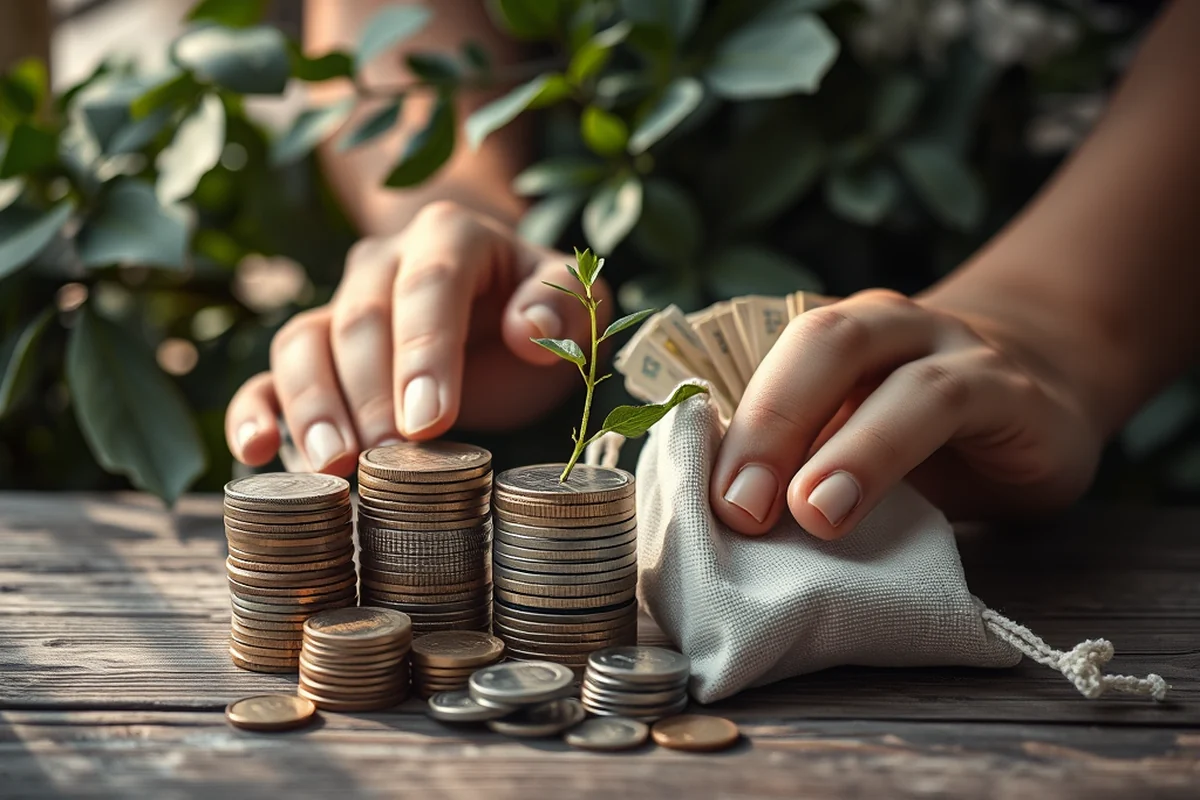
I used to think that investing was something only the wealthy could do. But after doing some research, I realized that even small amounts can grow over time. I started with a robo-advisor like Betterment, which helped me invest with minimal effort.
I also set up automatic transfers to my savings and investment accounts. This way, I never had to think about it — the money went straight from my paycheck to my accounts.
It’s easy to fall into the trap of spending money you haven’t earned yet. By setting up automatic transfers and using budgeting apps, I was able to save consistently without feeling deprived.
Related: What is money management international
Managing Debt the Right Way
I had a lot of credit card debt when I first started managing my money. It was overwhelming, but I realized that the first step was to stop using my credit cards for anything other than emergencies.
I used the avalanche method to pay off my debts — this involves paying off the debt with the highest interest rate first. It saved me a lot of money on interest over time.
I also started using cash for everything, which helped me avoid using my credit cards. This simple change made a huge difference in my ability to pay off my debt faster.
Related: Money management how to
The Importance of an Emergency Fund
I used to think that an emergency fund was unnecessary because I had insurance. But after my car broke down and I had to pay for repairs out of pocket, I realized how important it was to have a financial cushion.
I set a goal to save $1,000 in my emergency fund, and I was able to do it in about three months by cutting back on non-essential spending and setting up automatic transfers.
Now, I keep my emergency fund in a high-yield savings account so that it can grow a little over time. It’s the first thing I check when I receive my paycheck.
An emergency fund can be the difference between a crisis and a calm response.
Related: Why am i so bad at managing money
Reviewing and Adjusting Your Financial Plan
I review my financial plan every three months to make sure I’m still on track with my goals. This helps me spot any changes in my spending habits or income that I need to adjust for.
I also use this time to review my investments and see if I need to make any changes based on market conditions or personal goals. It’s a simple process, but it keeps me focused on the long-term.
By staying flexible and reviewing my plan regularly, I’ve been able to adapt to changes in my life and make sure that my financial habits are always aligned with my goals.
Leveraging Tax-Advantaged Accounts for Growth
Tax-advantaged accounts like IRAs, 401(k)s, and HSAs offer unique benefits that can help you grow your wealth more efficiently. For instance, I contribute to a Roth IRA, which allows my investments to grow tax-free. In the last five years, this has saved me approximately $1,200 in taxes on investment gains. Understanding the rules of these accounts can lead to substantial long-term savings.
I also take full advantage of employer-sponsored 401(k) plans, especially those with a matching contribution. My employer matches 5% of my contributions, which is essentially free money. I’ve been contributing the maximum allowed to take full advantage of this benefit. Over time, this has added significantly to my retirement savings, even when my income was lower in the early years.
HSAs are another powerful tool, especially for those with high-deductible health plans. I use my HSA to invest in low-cost index funds, which have grown at an average rate of 7% annually over the past decade. This has not only helped cover medical expenses tax-free but also provided a significant boost to my retirement portfolio. Understanding these accounts and using them strategically can make a huge difference in your financial future.
💰 Budget-Friendly Plan
A no-frills approach that helps you save and manage money without breaking the bank.
🚀 Aggressive Payoff Plan
Focuses on paying off debt quickly and building wealth through smart investments.
💸 Irregular Income Plan
Tailored for those with fluctuating income, this plan helps you manage money with flexibility.
👫 Couples' Plan
Designed for couples to manage money together, with shared goals and individual flexibility.
🎓 Beginner's Plan
A simple, easy-to-follow plan for those just starting their financial journey.
| The mistake | Why it happens | The fix |
|---|---|---|
| Ignoring small expenses | Small expenses can add up over time and impact your ability to save and invest. | Track all expenses, no matter how small, and make adjustments to your budget as needed. |
| Not reviewing your budget regularly | Failing to review your budget can lead to overspending and missed financial goals. | Set a regular time to review your budget and adjust it as needed based on changes in your income or spending habits. |
| Putting off financial planning | Putting off financial planning can lead to poor money habits and a lack of control over your finances. | Start small and build a routine. Even a few minutes a week can make a big difference over time. |
| Not having an emergency fund | Without an emergency fund, unexpected expenses can derail your financial plan. | Set a goal to build an emergency fund, even if it starts with just $500, and use automatic transfers to help you reach it faster. |
Managing Public Money Handbook
Common Questions
How long does it take to see results from this handbook?
Is this handbook suitable for people with no financial background?
What if I have multiple financial goals?
Can I use this handbook even if I’m not working a full-time job?
References
- What Is a Budget? Plus 11 Budgeting Myths Holding You Back (investopedia.com)
- ADVICE, MONEY, RESULTS - NYU Wagner (wagner.nyu.edu)
- YOUR MONEY, YOUR GOALS: A financial empowerment toolkit (files.consumerfinance.gov)
Cite this guide
Managing Money as a Digital Nomad (2026). Managing Public Money Handbook. https://budgetrove.com/managing-public-money-handbook/
Feel free to cite or share this guide.
Digital Nomad Runway Calculator
Calculates digital nomad financial runway from savings, income and costs.
Open it free →