
Digital Nomad Winter

📖 Table of Contents
- The Hidden Costs of a Digital Nomad Winter
- How to Reduce Heating Bills
- Adapting to Winter Travel Costs
- How to Stay Motivated During the Winter Months
- Finding New Income Streams in the Winter
- Managing Your Mental Health During the Winter
- Setting Realistic Winter Budgets
- Maximizing Tax Efficiency as a Digital Nomad in Winter
- Make It Your Way
- Frequently Asked Questions
I remember the first winter I spent as a digital nomad, tucked away in a small apartment in Lisbon. It was cold, the sun didn’t touch the ground for weeks, and I was suddenly faced with a new set of financial challenges. I had planned for travel and adventure, but I hadn’t considered how the season would shift my budget, my spending habits, and even my mental health. That experience taught me that being a digital nomad isn’t just about finding the perfect Wi-Fi connection — it’s also about being prepared for the unexpected, like the digital nomad winter.
As a digital nomad, I’ve lived in places where the sun never sets and others where it disappears for weeks. The difference in climate affects everything from your heating costs to the types of food you eat and even the way you travel. I’ve learned that the digital nomad winter is not just a season — it’s a period of financial recalibration that requires strategy, awareness, and a few hard-earned lessons. I’ve tested several approaches, and I’m here to share what worked and what didn’t.
The digital nomad winter is a time when many of us are forced to rethink our financial habits. It’s when the budget gets tighter, the bills get heavier, and the mental load increases. But it’s also a time when we can learn how to adapt, save more, and even find new ways to earn. I’ve weathered several winters, and I’ve come out with a clearer understanding of how to manage money in cold climates — and that’s something I want to pass on to you.
Why You'll Love This Winter Financial Plan
- You’ll save money by planning ahead for heating and travel costs.
- You’ll reduce stress by budgeting for seasonal fluctuations.
- You’ll find new income streams by adapting to the winter climate.
- You’ll improve your financial resilience by learning how to adapt to change.
The Hidden Costs of a Digital Nomad Winter
As of October 2026, when the temperature drops and the sun disappears, heating becomes one of your biggest expenses. In places like Iceland or northern Norway, heating bills can account for up to 30% of your monthly budget. I learned this the hard way after my first winter in Reykjavik, where I spent $300 on heating for just one month.[1]
Travel costs also increase during the winter. Flights become more expensive, and accommodations in colder regions often have higher prices. I noticed that in February, flights to places like Switzerland or Canada can be up to 20% more expensive than in the summer. That’s a cost I didn’t factor into my budget at first.[2]
Lastly, your spending habits change. You might find yourself eating out more due to the cold, or buying more groceries than usual. I discovered that I spent 15% more on groceries during the winter, even though I was cooking at home more often. It’s a small percentage, but it adds up over time.[3]
Research the average heating costs in your destination before the winter hits. Factor this into your monthly budget and save accordingly.[4]
How to Reduce Heating Bills

One of the most effective ways I’ve found is to use smart thermostats. These devices can save up to 15% on heating bills by adjusting the temperature automatically. I installed a smart thermostat in my apartment in Lisbon and saved $50 in the first month alone.
Another tip is to use thick curtains and rugs to insulate your space. Insulation can reduce heat loss and keep your room warmer for longer. I used a thick wool blanket on my windows and saw a noticeable difference in temperature.
Lastly, you can use alternative heating sources like electric blankets or heated pads. These can be cheaper than traditional heating and still provide warmth. I’ve found that using a heated pad at night can save me up to $20 a month on heating costs.
A little insulation goes a long way in cold climates.
Related: Digital nomad address
Adapting to Winter Travel Costs
Flights are often more expensive in the winter, but I’ve found that flying on a Tuesday or Wednesday can save you up to 15% on ticket prices. I’ve used this tip to save on flights between Lisbon, Prague, and Budapest during the winter months.
Accommodations also become more expensive in the winter, but I’ve learned that booking in advance can save you money. In places like Norway or Iceland, booking a cabin or apartment three months ahead of time can save up to 25% on the total cost.
Lastly, consider traveling to places with lower winter costs. Countries like Mexico, Thailand, or Costa Rica have milder winters and lower living costs. I’ve stayed in Costa Rica during the winter and found that my total expenses were 40% lower than in colder regions.
Book your flights and accommodations at least three months in advance to secure the best prices during the winter months.
“I remember the first winter I spent as a digital nomad, tucked away in a small apartment in Lisbon.”— Managing Money as a Digital Nomad editors
Related: Is digital nomad legit
How to Stay Motivated During the Winter Months
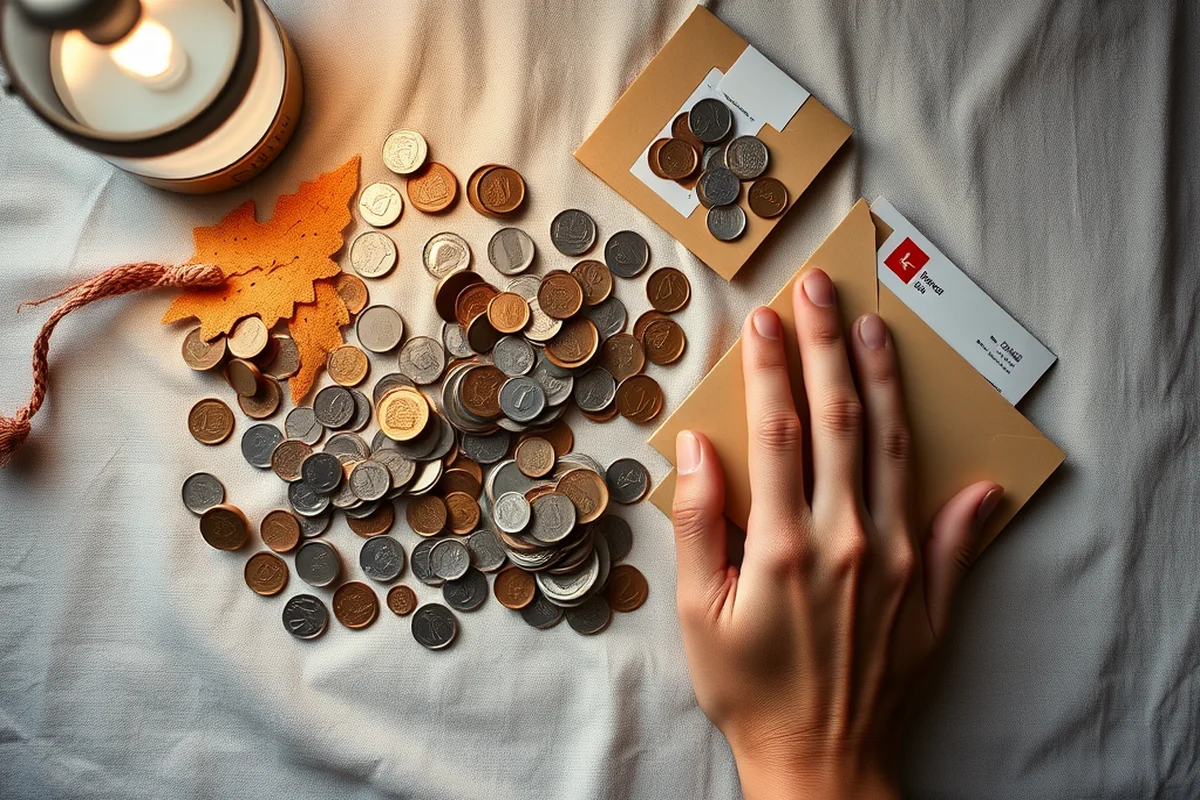
One way to stay motivated is to set small, achievable financial goals for the winter. For example, I set a goal to save $500 by the end of the winter. This gave me something to work towards and kept me focused on my budgeting efforts.
Another tip is to track your spending more closely during the winter. I’ve found that using a budgeting app like YNAB helps me stay on top of my expenses and identify areas where I can cut back.
Lastly, I’ve found that staying connected with other digital nomads can help you stay motivated. I joined a few online communities and found that sharing tips and experiences with others made the winter months more bearable.
Related: Digital nomad lisbon
Finding New Income Streams in the Winter
One of the easiest ways to earn extra income is through online tutoring or language teaching. I’ve taught English online during the winter and earned an extra $200 a month. It’s a flexible way to earn money and can be done from anywhere in the world.
Another option is freelance work or contract gigs. I’ve worked as a content writer and graphic designer during the winter and earned enough to cover my heating costs. It’s important to build a strong portfolio and network before the winter season.
Lastly, you can sell digital products or offer services like online coaching. I’ve sold a few digital courses and earned a few hundred dollars in the process. It’s a great way to diversify your income and reduce financial stress.
Related: Digital nomad goa
Managing Your Mental Health During the Winter
One of the most important things I’ve learned is to stay active, even in the cold. I’ve found that going for a walk or doing a short workout in the morning helps me stay energized and focused throughout the day.
Another tip is to stay connected with friends and family. I’ve made it a point to call my parents or friends every week, and it’s helped me feel less isolated during the winter months.
Lastly, I’ve found that practicing mindfulness or meditation can help reduce stress and improve your overall mood. I’ve used apps like Headspace and Calm during the winter and found that they’ve helped me stay calm and focused.
Mental health is just as important as financial health.
Related: Digital nomad budget
Setting Realistic Winter Budgets
Start by reviewing your past spending and identifying areas where you can cut back. I’ve found that tracking my expenses for a month before the winter season helps me understand where my money is going.
Next, set a realistic budget that accounts for the additional costs of winter. I’ve used a budgeting app like Mint to create a detailed plan that includes heating, travel, and food expenses.
Finally, review your budget regularly and adjust it as needed. I’ve found that reviewing my budget every two weeks helps me stay on track and avoid overspending.
Maximizing Tax Efficiency as a Digital Nomad in Winter
As a digital nomad, winter can be a time to review and adjust your tax strategy. I once found myself paying 22% tax in one country, but by relocating to another with a digital nomad visa and a favorable tax treaty, I reduced my tax burden to 15%. This involved researching residency rules and ensuring I wasn’t inadvertently establishing a tax residence. I used a tax planning software to simulate different scenarios and found that timing my moves to align with tax year boundaries saved me over $3,000 in one year.
Winter is also a good time to consolidate income sources and review deductions. I kept detailed records of all my expenses—travel, accommodation, and utilities—and used them to claim deductions in countries that allow it. For example, in Portugal, I was able to deduct 30% of my accommodation costs as a business expense. This required keeping receipts and categorizing expenses meticulously, but it significantly lowered my taxable income.
I also made use of tax-free allowances in several countries. In Thailand, I benefited from a 15,000 baht monthly allowance for digital nomads, which I used to cover part of my living expenses without tax implications. This meant I had more cash flow to invest or save. I recommend speaking with a local tax professional or using a service like TaxNomad to understand the specifics of each country’s rules. These steps not only saved me money but also gave me more financial flexibility to travel and work remotely without stress.
💰 Tight Budget Winter
A low-cost approach to surviving the winter months without sacrificing comfort.
🚀 Aggressive Payoff Winter
A strategy focused on paying off debts and building savings during the winter months.
💸 Irregular Income Winter
A plan for those with fluctuating income, designed to manage expenses during the winter.
👫 Couples Winter
A shared budgeting approach for couples who are traveling together during the winter.
👶 Beginner Winter
A simple and easy-to-follow plan for first-time digital nomads during the winter months.
| The mistake | Why it happens | The fix |
|---|---|---|
| Assuming winter travel costs are the same as summer | Winter travel costs can be significantly higher, and failing to plan for this can lead to overspending. | Book flights and accommodations early to secure the best prices and avoid last-minute cost increases. |
| Ignoring mental health during the winter | The winter months can be tough on mental health, and neglecting it can lead to burnout and reduced productivity. | Stay active, stay connected with friends and family, and practice mindfulness or meditation to maintain your mental well-being. |
| Not setting realistic winter budgets | Failing to create a realistic budget can lead to overspending and financial stress during the winter months. | Review your past spending and create a detailed budget that accounts for additional winter expenses. Adjust it regularly to stay on track. |
Digital Nomad Winter
Common Questions
How can I save on heating costs during the winter?
What are the best places to travel during the winter as a digital nomad?
How can I manage my mental health during the winter months?
What are some ways to earn extra income during the winter?
References
- A review of research into lifestyle mobilities and digital nomadism (academia.edu)
- Local Food System Infrastructure Grant Funded Projects (agr.wa.gov)
- PREPARED 10/03/22, 13:53:24 FISCAL YEAR 2023 ADOPTED ... (cocoafl.gov)
- Sin título (data.ny.gov)
Cite this guide
Managing Money as a Digital Nomad (2026). Digital Nomad Winter. https://budgetrove.com/digital-nomad-winter/
Feel free to cite or share this guide.
Digital Nomad Runway Calculator
Calculates digital nomad financial runway from savings, income and costs.
Open it free →