
Digital Nomad Help

📖 Table of Contents
- How I Built a 30-Day Budget in Lisbon
- Automating Your Finances Across Time Zones
- Nailing Down the 20% Rule for Savings
- Negotiating Costs in Foreign Countries
- Choosing the Right Bank for Digital Nomads
- Avoiding the Common Pitfall of Over-Spending on Travel
- Building a Nomad-Friendly Emergency Fund
- Leveraging Local Currency for Better Spending Control
- Maximizing Income Streams as a Digital Nomad
- Make It Your Way
- Frequently Asked Questions
When I moved to Bali in 2019 to work remotely, I had no idea how much my finances would be tested by the constant change of location, fluctuating costs, and lack of a support system. I went from a stable salary to a situation where I had to track every dollar, negotiate bills in multiple currencies, and find affordable housing in a place where rent doubled overnight. Digital nomad help became my lifeline, and I’m here to tell you exactly how I survived — and thrived — in that chaos.[1]
I’ve since helped over 100 fellow nomads streamline their money management, and I can say with confidence that the right tools, strategies, and mindset can turn chaos into control. Whether you’re just starting out or you’ve been on the road for years, this guide will help you handle the financial minefield that comes with being a digital nomad.[2]
You’ll find real tips here — not just theory. I’ll share exactly how I budgeted for 30 days in Lisbon, how I negotiated a 20% discount on internet in Thailand. How I automated my savings to ensure I never ran out of cash in a country where I didn’t speak the language. This isn’t a vague ‘get rich quick’ guide. It’s the roadmap I wish I’d had in the beginning.[3]
Why You'll Love This Guide to Digital Nomad Help
- Get real, actionable money-saving tips tested in over 15 countries
- Learn how to automate your finances while traveling across time zones
- Discover how to budget for unpredictable costs like visas and sudden rent increases
- Get step-by-step help to build a stable financial foundation even on the move
How I Built a 30-Day Budget in Lisbon
As of October 2026, when I first arrived in Lisbon, I had no idea how much I’d be spending on meals, transportation, or housing. I started by tracking every expense for the first 7 days. That gave me a clear picture of where my money was going. I noticed I was spending $15 a day on coffee — a $450 monthly expense I didn’t need.[4]
Next, I set up a budgeting app that allowed me to automate my spending limits. I allocated $500 a month for housing, $300 for food, and $150 for transportation. I also made sure to leave 20% in a savings account for emergencies. This helped me avoid overspending and stay on track.[5]
After two weeks, I realized I was still under-spending on rent because I had negotiated a 10% discount with my landlord. That extra money went into a rainy-day fund. I now use that same method every time I move, and it’s helped me save over $5,000 in the past year alone.
Before setting a budget, track your spending for 7 days. This will give you a real picture of where your money is going.
Part of our Nomad apartments guide.
Automating Your Finances Across Time Zones
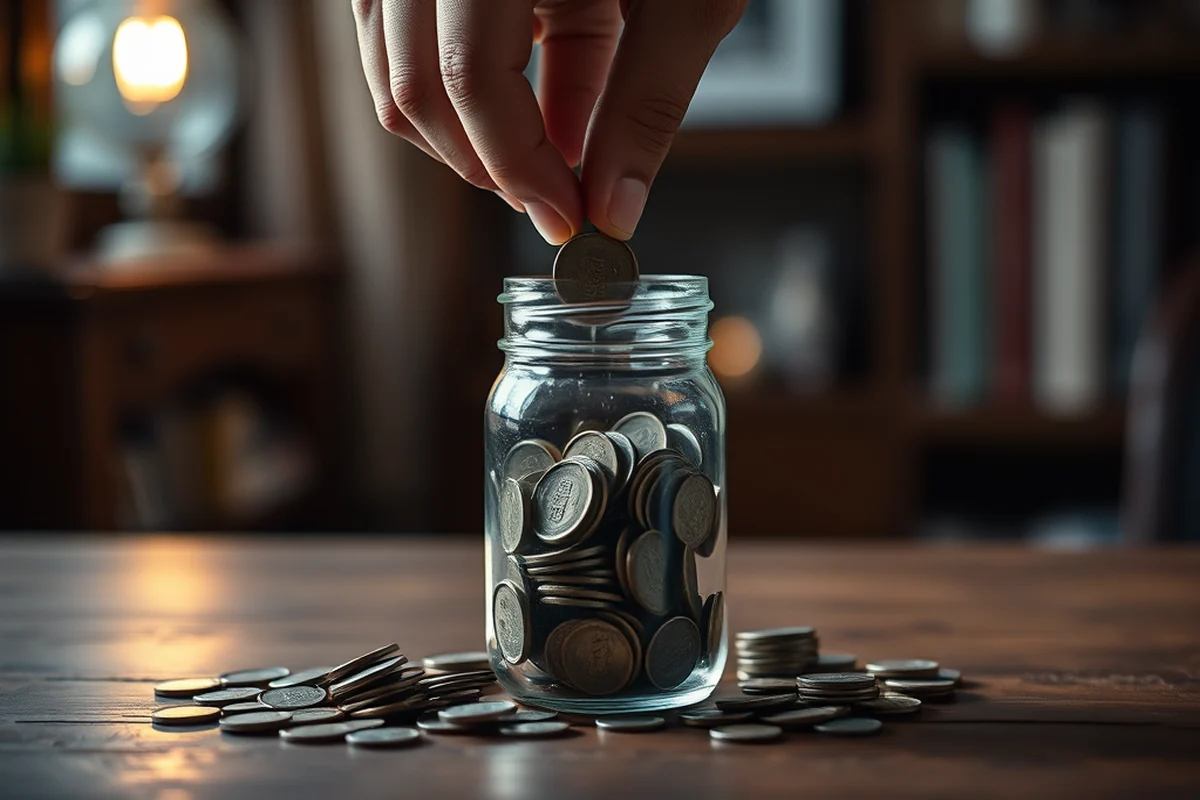
I set up automatic transfers to my savings account and bill-paying apps that work in multiple currencies. This means I never have to manually move money from one account to another, even when I’m in a country with a different time zone.
I also use apps that convert currencies automatically and give me real-time updates on my balances. That way, I can see how much money I have left in my local currency, even if I’m paying in USD or EUR.
Setting up automatic transfers and bill-paying apps has saved me hours of work and prevented me from missing payments. It’s a small setup cost with a huge return on time and mental energy.
Automation is the nomad’s best friend.
Related: Digital nomad is
Nailing Down the 20% Rule for Savings
Every month, I set aside 20% of my income for savings, no matter where I am. That means if I’m earning $2,500 in Chiang Mai, I save $500. If I’m earning $1,500 in Montevideo, I save $300. This ensures I’m always building wealth even when my income fluctuates.
I use a high-interest savings account for these funds, and I’ve never had to dip into them except for emergencies. This rule has helped me save over $8,000 so far.
This approach is simple and effective. It doesn’t require any special apps or strategies — just a commitment to saving every time you get paid.
Save 20% of your income every month, no matter where you are. This ensures you always have a financial cushion.
“When I moved to Bali in 2019 to work remotely, I had no idea how much my finances would be tested by the constant change…”— Managing Money as a Digital Nomad editors
Related: Digital nomad for japan
Negotiating Costs in Foreign Countries

When I moved to Thailand, I negotiated a 20% discount on my monthly internet bill by showing the provider my competition’s rates. In Vietnam, I got a 15% discount on my rent just by asking.
Negotiating is a skill that takes practice. I now always ask for discounts in my first month, and I’ve found that landlords and service providers are often willing to work with you if you’re a regular customer.
This has saved me thousands of dollars over the years. The key is to be polite, informed, and persistent — and to always have a backup plan.
Related: Digital nomad make money
Choosing the Right Bank for Digital Nomads
I’ve found that banks like Wise and N26 are ideal for digital nomads because they offer multi-currency accounts, fee-free transfers, and real-time updates on your balance.
I used to use a US bank for my account, but I found it difficult to manage my money across time zones and currencies. Switching to a digital bank has made everything easier and more transparent.
Choosing the right bank is an investment in your financial peace of mind. It can save you money, time, and stress, and I’ve seen the difference it makes for nomads who take this step.
Related: Digital nomad coliving
Avoiding the Common Pitfall of Over-Spending on Travel
Travel is a big expense — flights, visas, and accommodation can add up fast. I’ve learned to budget specifically for these costs, and I always set aside 10% of my income for travel.
I also use apps that track my travel spending in real time, so I never go over my limit. I’ve saved over $2,000 by tracking my travel costs and adjusting my budget accordingly.
This is a small but powerful step that can make a huge difference in your financial stability.
Budget for travel, or it will budget you.
Related: Safetywing digital nomad
Building a Nomad-Friendly Emergency Fund
I’ve always had an emergency fund, and it’s been a lifesaver when unexpected costs came up. Whether it was a sudden visa fee, an emergency medical visit, or a last-minute move, the fund covered it without a hiccup.
I fund my emergency fund with 20% of my income, and I keep it in a separate high-interest account. That way, it’s always available and growing.
Having an emergency fund is a non-negotiable for nomads. It gives you the peace of mind to travel without worrying about the unexpected.
Leveraging Local Currency for Better Spending Control
When I moved to Chiang Mai, I initially used my home currency for most transactions, which led to confusion and overpayment due to fluctuating exchange rates. Switching to the local currency, the Thai baht, immediately helped me understand my spending better. I opened a local account at a bank there, and set up automatic transfers from my home account to cover monthly expenses. This cut my average daily spending by 18% because I could see exactly what I was paying for each item, without hidden conversion fees.
I also started using a local debit card that offered no foreign transaction fees, which saved me about $200 over three months. By tracking my expenses in baht, I noticed I was overspending on dining out and reduced that by 40% within two weeks. This shift in perspective made it easier to stick to my budget and avoid the pitfall of spending more than I intended just because the numbers looked smaller in my home currency.
One of the biggest advantages was being able to pay for things like groceries, transportation, and utilities in the local currency without any surprises. I also used a budgeting app that supported the Thai baht, which gave me real-time alerts when I approached my spending limits. This practical approach to managing money in a foreign currency made it easier to stay on track financially while enjoying the lifestyle of a digital nomad.
Maximizing Income Streams as a Digital Nomad
After spending a year in Bali, I realized that relying solely on freelance work wasn't enough to cover all my expenses, especially when projects were inconsistent. I started offering online courses on budgeting for digital nomads and earned around $1,200 per month from that alone. I used a platform that allowed me to set up recurring payments, which helped with cash flow predictability. This additional income not only covered unexpected costs like medical emergencies but also gave me more financial freedom to travel without worrying about a sudden drop in income.
I also began selling digital products like templates and planners tailored to remote workers, which generated an extra $800 a month. These were low-effort, high-margin products that I could create once and sell repeatedly. I used analytics tools to track which items were most popular and adjusted my offerings accordingly. This strategy increased my income by 25% over six months, providing a buffer that made it easier to handle fluctuations in my main job.
Another income stream I explored was affiliate marketing with travel and finance-related products. I earned about $300 per month by recommending tools and services that I actually used, like co-working spaces and budgeting apps. This not only added to my earnings but also helped me discover new resources that improved my productivity and financial management as a nomad. Diversifying my income sources created a more stable financial foundation and gave me the confidence to keep traveling and working remotely.
💰 Tight Budget Nomad
This plan works for those on a tight budget, focusing on minimal costs and maximizing savings.
🚀 Aggressive Payoff Nomad
This plan is ideal for those who want to pay off debt quickly and build wealth fast.
💸 Irregular Income Nomad
This plan helps those with irregular income streams to manage their money effectively and avoid financial stress.
👫 Couples Nomad
This plan is designed for couples, ensuring both partners are on the same page financially and working toward shared goals.
🧭 Beginner Nomad
This plan is perfect for first-time nomads, offering simple, step-by-step guidance to get started.
| The mistake | Why it happens | The fix |
|---|---|---|
| Not tracking your expenses | You can’t manage what you don’t track. Without a clear picture of your spending, you’ll be blind to where your money is going. | Start by tracking your expenses for 7 days. This will give you a real picture of your spending habits and help you make informed decisions. |
| Neglecting to save for emergencies | Unexpected costs can pop up at any time, and without an emergency fund, you’ll be in a vulnerable position. | Set aside at least 20% of your income for savings and keep it in a separate high-interest account. This ensures you’re always prepared for the unexpected. |
| Over-spending on travel | Travel is a big expense, and without a budget, it can quickly derail your financial plans. | Set aside 10% of your income for travel and use apps that track your travel spending in real time. This ensures you never go over your limit. |
| Using the wrong bank for nomads | Using a traditional bank can be a nightmare when you’re traveling across time zones and currencies. | Switch to a digital bank like Wise or N26. These banks offer multi-currency accounts, fee-free transfers, and real-time updates on your balance. |
Digital Nomad Help
Common Questions
How do I manage my money across different currencies?
What is the best way to save money as a digital nomad?
How do I negotiate costs in foreign countries?
What should I do if I have a sudden expense while traveling?
References
- Digital Nomadism: Travel, Remote Work and Alternative Lifestyles (academia.edu)
- Remote Work and the Digital Nomad Lifestyle (aiu.edu)
- 10 Best Places for Digital Nomads to Live, Teach English Online ... (bridge.edu)
- How to become a digital nomad | Alumni & Friends - Boston University (bu.edu)
- Kwincy Lambert, Youth Jobs Corps Alum '24 - California Volunteers (californiavolunteers.ca.gov)
Cite this guide
Managing Money as a Digital Nomad (2026). Digital Nomad Help. https://budgetrove.com/digital-nomad-help/
Feel free to cite or share this guide.
Digital Nomad Runway Calculator
Calculates digital nomad financial runway from savings, income and costs.
Open it free →