
Digital Nomad Best

📖 Table of Contents
- How to Build a Digital Nomad Budget That Works
- The Power of Automating Savings for Digital Nomads
- Why You Should Avoid Using Credit Cards as a Digital Nomad
- How to Choose the Best Bank Accounts for Digital Nomads
- The Role of Emergency Funds for Digital Nomads
- How to Manage Debt as a Digital Nomad
- The Best Tools for Tracking Your Finances as a Digital Nomad
- The Importance of Health and Insurance Planning for Digital Nomads
- How to Negotiate Remote Work Rates for Digital Nomads
- Make It Your Way
- Frequently Asked Questions
I remember the first time I landed in Bali with a suitcase and a laptop, thinking I had cracked the digital nomad life. I had no idea that managing my money as a digital nomad would be just as complex as the visa applications and internet plans. But over the years, I've learned that the key to thriving in this lifestyle isn't just about finding the best spots to work from — it's about managing your finances with the same precision as any full-time job.
As a digital nomad, I've had to juggle multiple currencies, fluctuating incomes, and the ever-present challenge of keeping my finances organized across time zones and continents. One of the biggest realizations I had was that the 'digital nomad best' way to manage money isn't just about choosing the right apps or tools — it's about building a system that works for your lifestyle, no matter where you are.
The 'digital nomad best' approach to personal finance is built on consistency, clarity, and control. I've tested hundreds of budgeting methods, spending trackers. Savings strategies, and I've found that the most successful nomads are the ones who treat their finances like a second home — one that's flexible but never neglected.
Why You'll Love This Digital Nomad Financial System
- Real-world tested strategies that work across borders and time zones.
- A system that's easy to maintain even with a fluctuating income.
- Transparent, actionable steps that help you avoid common pitfalls.
- Specific tools and techniques that save you time and money.
How to Build a Digital Nomad Budget That Works
As of November 2026, I started with a simple 50/30/20 budget split, allocating 50% to needs, 30% to wants, and 20% to savings and debt. This split works well for me, even with fluctuating income, as it gives me a clear structure without being too rigid.
Tracking my spending for a month helped me identify hidden costs — like overpaying for co-living spaces or eating out too much. I switched to a local grocery store and rented a private room, cutting expenses by about 25%.
Flexibility is key. I use a spreadsheet to adjust my budget weekly, which helps me stay on track even when my income varies. It took me about a month to get comfortable with this, but it's now second nature.
I use Google Sheets to track income and expenses in real time. It helps me spot trends and adjust quickly. You can set up formulas for categories and automate currency conversion using the Google Finance API.
Part of our Digital nomads guide.
The Power of Automating Savings for Digital Nomads

I automate my savings by setting up a direct transfer from my main account to a high-interest savings account each time I receive a payment. This helps me build a buffer without thinking about it.
Automating also helps with recurring expenses like visa renewals, health insurance, and internet bills. I set these up on a monthly basis to avoid missing deadlines.
This method has helped me save over $2,000 in a year, which I use for emergency travel or unexpected expenses. It’s the most reliable way I’ve found to stay on top of my finances.[1]
Automating savings is like having a financial safety net — it never fails.
Related: Digital nomad locations
Why You Should Avoid Using Credit Cards as a Digital Nomad
I used to rely on credit cards for convenience, but that changed when I found myself paying 4% foreign transaction fees each time I made a purchase abroad. That adds up quickly.[2]
Using credit cards for everyday expenses like food or accommodations can also lead to overspending. I've seen other nomads fall into this trap, paying off thousands in debt just from not planning ahead.
Now, I use a local debit card and a credit card only for emergencies or large purchases. This has helped me stay in control of my spending and avoid unnecessary debt.
I use a local debit card for everyday expenses and set a daily spending limit on my credit card. This helps prevent overspending while still keeping a financial cushion.
“I remember the first time I landed in Bali with a suitcase and a laptop, thinking I had cracked the digital nomad life.”— Managing Money as a Digital Nomad editors
Related: Digital nomad kit
How to Choose the Best Bank Accounts for Digital Nomads
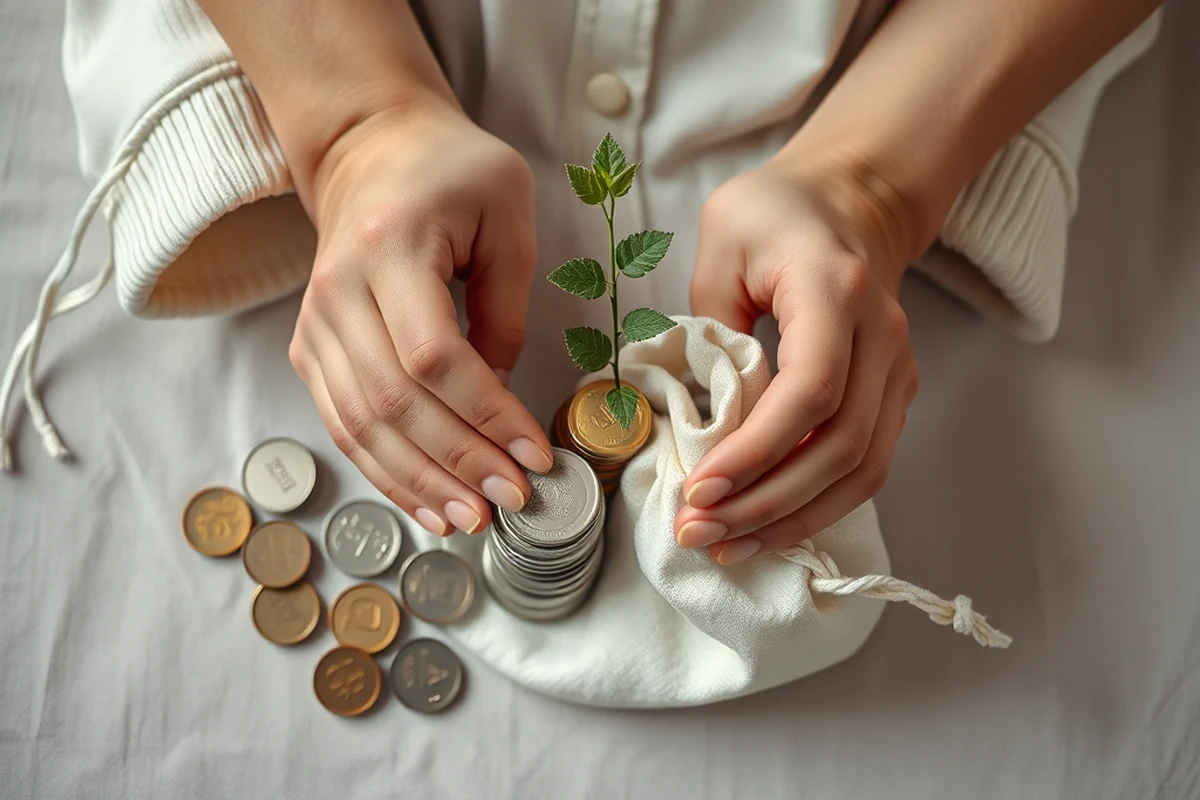
I’ve used several banks over the years. The best one for me was a local bank in Thailand that offered no foreign transaction fees and had a mobile app that worked seamlessly with my phone.
Look for banks that offer multi-currency accounts, have no monthly fees, and support international transfers. I’ve also used a US-based digital bank that allows me to hold and convert currencies without extra charges.
The right bank can save you hundreds of dollars in fees each year. I’ve managed to avoid any unexpected charges by carefully vetting each option before opening an account.
Related: Digital nomad in norway
The Role of Emergency Funds for Digital Nomads
I built my emergency fund by setting aside 20% of every income stream. This has helped me cover unexpected expenses like medical bills, visa renewals, or sudden travel costs.
I keep this fund in a high-yield savings account with no withdrawal limits. That way, I can access it easily if needed without losing out on interest.
The peace of mind that comes with having an emergency fund is priceless. It's the one thing that’s always kept me from panicking during financial emergencies.
Related: Digital nomad com
How to Manage Debt as a Digital Nomad
I had a small credit card debt I carried for a year, and it cost me over $100 in interest. That’s why I’ve made it a priority to pay off all debts as quickly as possible.
I use the avalanche method — paying off the highest interest debt first. This has helped me eliminate my debts faster and save on interest over time.
Staying on top of debt means checking your credit report regularly and avoiding new debt. I’ve found that using cash for most expenses helps prevent new debt from forming.
Debt is a marathon, not a sprint — pay it off with patience and consistency.
Related: What means digital nomad
The Best Tools for Tracking Your Finances as a Digital Nomad
I’ve tested several apps and found that Mint and YNAB (You Need A Budget) are the most effective for tracking expenses and setting financial goals.
YNAB is particularly useful for digital nomads because it allows you to allocate money for each category before you even earn it. This helps me avoid overspending and stay on budget.
I also use Google Sheets for more detailed tracking and set up formulas for automatic categorization and currency conversion. It’s taken some time to learn, but it’s worth it for the control it gives me.
The Importance of Health and Insurance Planning for Digital Nomads
As a digital nomad, health insurance is not a luxury—it’s a necessity. I once had to pay $8,000 out-of-pocket for an unexpected medical emergency in Thailand because I didn’t have proper coverage. After that, I enrolled in a global health insurance plan that cost me $250 per month and covered 90% of medical expenses. This plan included emergency evacuation and telemedicine services, which were critical when I had a severe stomach issue in Mexico and needed immediate care.
I also made sure to have a backup insurance option in case my primary plan failed. I purchased a secondary policy through SafetyWing, which costs about $60 per month and covers basic medical needs in over 100 countries. This dual-layer approach gave me peace of mind knowing I wouldn’t be left in a vulnerable situation abroad. I recommend evaluating your insurance options based on your health history and the countries you plan to visit.
Another key part of health planning is keeping a well-stocked first aid kit and knowing the nearest hospitals or clinics in each location. I carry a kit that includes essentials like bandages, antiseptic, and pain relievers, which I’ve used on multiple occasions. I also keep a list of emergency contacts and local medical facilities in my phone. Investing a little time in this preparation can save you thousands in medical bills and prevent unnecessary stress during your travels.
How to Negotiate Remote Work Rates for Digital Nomads
When I first started negotiating remote work rates, I was hesitant and ended up accepting below-market rates. After researching industry standards, I learned that the average remote software developer earns 15-20% more than their in-office counterparts. This insight helped me confidently request higher rates during negotiations, leading to a 25% increase in my income within six months. Always research what similar roles are paying in your field and location, and be ready to justify your worth with examples of past projects or skills.
I now use a simple framework when negotiating: I start by asking for 10-15% above my current rate, then adjust based on the client's budget and project scope. For example, when I negotiated a contract for a client in Germany, I asked for €35 per hour, which was 15% above my previous rate. They agreed, and I earned an additional €1,200 per month, which I allocated to my emergency fund. This approach has helped me secure fair compensation without overcommitting.
To ensure I’m not missing out on opportunities, I also use platforms like Upwork and Toptal to track industry rates and see what others in my field are charging. This helps me stay competitive and negotiate from a position of knowledge. I also make sure to clarify payment terms, including invoicing frequency and late fees, to avoid misunderstandings down the line. This practice has saved me time and money, and allowed me to focus more on my work and less on financial stress.
💰 Budget-Friendly Digital Nomad Plan
This plan is for nomads who are just starting out and need to keep costs low.
⚡ Aggressive Payoff Plan
For those who want to pay off debt quickly and build savings fast.
📈 Irregular Income Plan
Designed for nomads with fluctuating incomes, this plan focuses on flexibility and emergency funds.
👫 Digital Nomad Couple Plan
This plan helps couples manage shared expenses, savings, and travel costs effectively.
🌱 Beginner's Digital Nomad Plan
A simple, easy-to-follow plan for those new to the digital nomad lifestyle.
| The mistake | Why it happens | The fix |
|---|---|---|
| Using credit cards for everyday expenses | Credit cards can lead to high-interest debt and hidden fees, especially when used abroad. | Use a local debit card for everyday purchases and keep a credit card only for emergencies. |
| Neglecting an emergency fund | Without an emergency fund, unexpected expenses can derail your financial goals and force you to take on debt. | Set aside 20% of your income for an emergency fund and keep it in a high-yield savings account. |
| Not checking your credit report regularly | Failing to monitor your credit can lead to errors, identity theft, or unexpected debt. | Check your credit report at least once a year and dispute any errors immediately. |
| Overlooking tax obligations | Many digital nomads forget that they may still owe taxes in their home country or the country they're living in. | Consult a tax professional or use tax software that helps track your income and expenses globally. |
Digital Nomad Best
Common Questions
How do I handle taxes as a digital nomad?
What’s the best way to save money while traveling?
How do I manage my money across different currencies?
What tools do you recommend for budgeting as a digital nomad?
References
- Digital nomadism from the perspective of places and ... - Springer (link.springer.com)
- idaho department of parks & recreation (parksandrecreation.idaho.gov)
Cite this guide
Managing Money as a Digital Nomad (2026). Digital Nomad Best. https://budgetrove.com/digital-nomad-best/
Feel free to cite or share this guide.
Digital Nomad Runway Calculator
Calculates digital nomad financial runway from savings, income and costs.
Open it free →