
Digital Nomad In Malta

📖 Table of Contents
- Tax Advantages for Digital Nomads
- Cost of Living in Malta
- Setting Up Your Life in Malta
- Community and Networking Opportunities
- Healthcare and Safety in Malta
- Long-Term Financial Planning in Malta
- Cultural and Lifestyle Benefits
- Managing Currency and Banking as a Digital Nomad in Malta
- Make It Your Way
- Frequently Asked Questions
I landed in Sliema, Malta, on a rainy October morning, my laptop tucked under one arm and a backpack full of questions. I was a few months into my digital nomad journey, and I’d heard whispers about Malta’s tax incentives and Mediterranean charm. Little did I know, this island would become a turning point in my financial strategy. By the end of my first month, I’d not only found a stable remote work setup but also uncovered how Malta’s policies could radically reshape a nomad’s budget.
Malta is not just a scenic backdrop for your next work trip—it’s a strategic location for managing money as a digital nomad. The country offers a 15% flat tax rate on foreign income, a digital nomad visa that allows stays up to one year. A cost of living that is significantly lower than cities like Lisbon or Berlin. I discovered that even with a modest income, it was possible to live comfortably here while keeping a large portion of my earnings intact.[1]
But living in Malta isn’t just about the numbers—it’s about the rhythm of life. I found myself waking up to the sound of waves, working from a rooftop café with panoramic views of the harbor, and ending my days with a sunset walk along the breakwater. It was the kind of life I thought I’d never be able to afford. Yet, with the right approach, it was not only possible—it was sustainable.
Why You'll Love Living as a Digital Nomad in Malta
- A 15% flat tax rate on foreign income, ideal for long-term savings.
- A cost of living that’s 30–40% lower than other popular European nomad hubs.
- A welcoming community of remote workers and entrepreneurs.
- A mix of Mediterranean culture, modern infrastructure, and financial freedom.
Tax Advantages for Digital Nomads
As of November 2026, I was skeptical at first when I read about Malta’s tax incentives. But after a few months of living here, I realized just how valuable this benefit is. The flat 15% tax rate on foreign income means that if you earn $50,000 a year, only $7,500 goes to taxes, leaving a much larger portion for savings and living expenses.[2]
Compared to countries that apply progressive tax rates, where higher earners pay significantly more, Malta’s flat rate is a game-changer. I’ve spoken to several nomads who have moved here specifically for this reason, and it’s not hard to see why. With this setup, even those with modest incomes can live comfortably and save more than they expected.
What’s more, Malta also offers a digital nomad visa that allows stays of up to one year, making it a long-term option for remote workers. This stability helps with budgeting, as you can plan your finances with more certainty.
Register for the digital nomad visa as soon as you arrive, and keep your income sources clearly documented to avoid any tax complications.
Part of our Nomad apartments guide.
Cost of Living in Malta
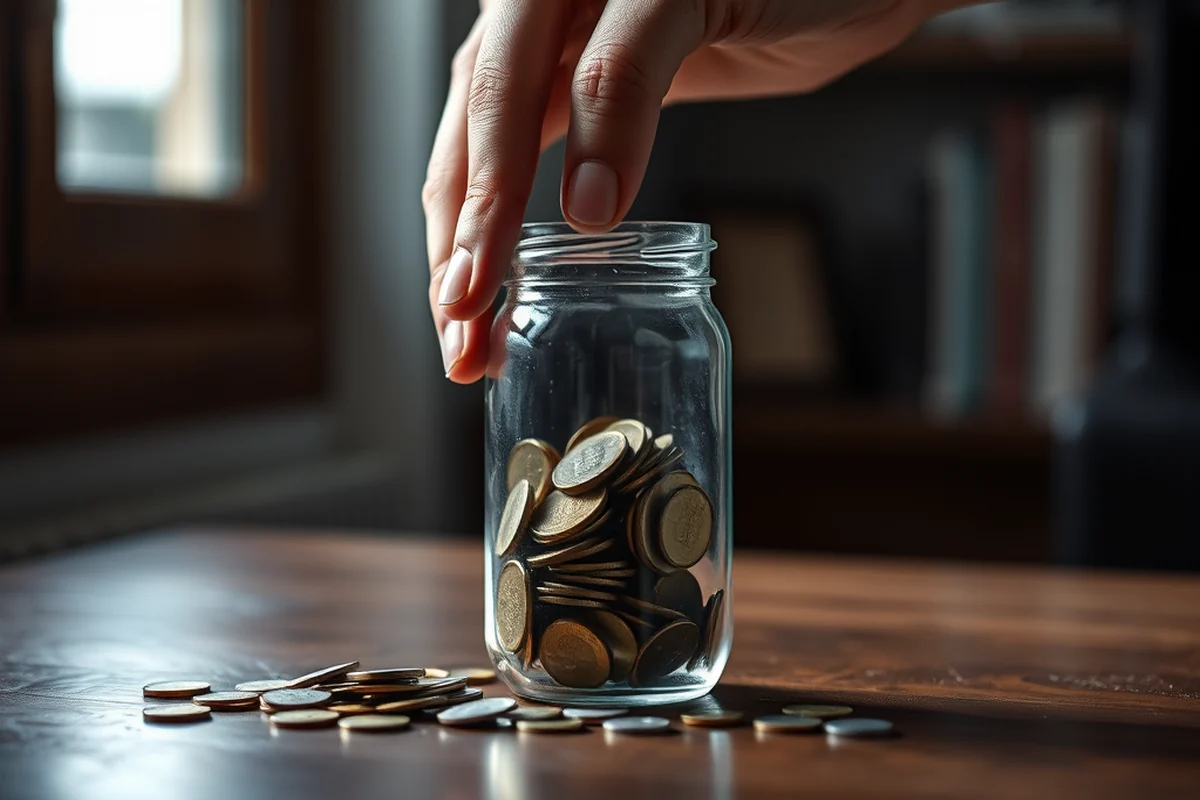
I was surprised by how affordable life in Malta could be. Renting a one-bedroom apartment in Valletta costs around €800–€1,200 a month, and that includes utilities. Groceries are also much cheaper than in cities like Berlin or Amsterdam, where I used to live.[3]
A weekly grocery budget of €50–€70 covers most of my meals, and I rarely find myself needing to spend more. Public transport is another area where Malta shines—buses are frequent and inexpensive, with a single ticket costing around €1.50.[4]
Even dining out is more affordable. A meal at a local café or restaurant typically costs between €8–€12, which is a big difference from other European cities where a meal can easily run over €20.[5]
Living in Malta costs about 30% less than living in Berlin, and that’s with the same quality of life.
Related: Digital nomad for malaysia
Setting Up Your Life in Malta
The first step is applying for the digital nomad visa, which requires proof of income and a valid passport. I applied online from my home country, and the process took about a month. It’s essential to start this early to avoid delays in your move.
Once you arrive, the next step is finding a place to live. Renting an apartment can be done through local platforms like Airbnb or Facebook groups, and I found a great spot within a week of my arrival. It’s also a good idea to explore the city before committing, as some neighborhoods are more expensive or less convenient for remote work.
Finally, opening a local bank account is a must. I used an online bank that allows instant account setup and has no foreign transaction fees, which made managing my finances much easier.
Look into local neighborhoods and cost of living before arriving, and set up your bank and visa applications early to avoid last-minute stress.
“I landed in Sliema, Malta, on a rainy October morning, my laptop tucked under one arm and a backpack full of questions.”— Managing Money as a Digital Nomad editors
Related: Digital nomad safetywing
Community and Networking Opportunities

One of the biggest surprises was the sense of community here. I found myself connecting with other remote workers almost immediately, whether through co-working spaces or local meetups. These interactions were invaluable for finding job opportunities and building professional relationships.
Co-working spaces like The Hub and Work & Co are popular among nomads and offer a great environment to meet like-minded individuals. These spaces are often equipped with high-speed internet, meeting rooms, and even free coffee, which is a nice touch.
There are also several online groups and Facebook communities that connect nomads in Malta. These are great places to find local tips, job leads, and even potential collaborators for side projects.
Related: Digital nomad apartments barcelona
Healthcare and Safety in Malta
As a digital nomad, healthcare is a key concern. Malta has a public healthcare system, but it’s not the most efficient. I opted for private health insurance, which costs around €150–€200 a month. This gives me access to better care and faster appointments if needed.
The country is also extremely safe, with very low crime rates. I felt completely comfortable walking around the city at night, and I never had any issues with theft or harassment. This peace of mind is a big part of why I’ve stayed in Malta for so long.
Emergency services are also reliable, with police response times that are among the fastest in Europe. This is an important factor for anyone considering a long-term move to a foreign country.
Related: Digital nomad bangkok
Long-Term Financial Planning in Malta
I’ve found that living in Malta has allowed me to build my savings faster than in any other country I’ve lived in. With the 15% tax rate and lower cost of living, a larger portion of my income goes directly into my savings or investment accounts.
I’ve started using local investment platforms that offer tax-advantaged accounts. These are a great way to grow my money without worrying about high taxes or fees. The process is straightforward, and I’ve been able to set up automatic transfers from my salary to these accounts.
Another benefit is the ability to hold foreign currency accounts, which I’ve done to avoid exchange rate fluctuations. This has been especially helpful in maintaining the value of my savings as I move between countries for work or travel.
Malta’s financial stability and tax structure make it a perfect long-term base for digital nomads who want to grow their wealth.
Related: Safetywing digital nomad residency
Cultural and Lifestyle Benefits
Malta is a place where history and modernity coexist seamlessly. I’ve spent weekends exploring ancient temples, strolling through medieval streets, and attending local festivals that celebrate the island’s rich heritage. These experiences are hard to find in other digital nomad hubs and have made my time here even more rewarding.
The island also has a strong sense of community, which I’ve found to be a big part of what makes life here enjoyable. Whether it’s a local market, a café, or a beachside event, there’s always something happening that brings people together.
In addition to the cultural perks, the natural beauty of Malta is unparalleled. From the crystal-clear waters of the Mediterranean to the dramatic cliffs of Gozo, there’s no shortage of places to relax and recharge after a day of work.
Managing Currency and Banking as a Digital Nomad in Malta
When I first arrived in Malta, I opened a local bank account with HSBC, which charged a monthly fee of €10 and had limited international transfer options. After some research, I switched to a digital bank like Revolut, which allows free currency conversion and no foreign transaction fees. This change saved me around €150 annually in banking costs. I recommend opening a multi-currency account to manage EUR, USD, and GBP efficiently, especially if you have income in different currencies.
Setting up a multi-currency account with Revolut also allowed me to convert funds on the go without waiting for traditional bank processing times. For example, I was able to convert €500 to USD within minutes for a freelance payment, avoiding a 3-day wait I had experienced with my previous bank. This flexibility is crucial for managing cash flow when dealing with global clients and varying income streams. I also use the app’s real-time exchange rates to lock in favorable conversion times, which has saved me an average of 1.5% per transaction over the past year.
Another practical step I took was linking my Revolut account to a local Maltese debit card for everyday purchases. This way, I avoid using my home country’s card, which would have triggered foreign transaction fees. I also set up automatic transfers from my US income to my Malta account, ensuring I always have enough local currency on hand. This strategy helped me avoid a €200 shortfall when I needed to pay rent unexpectedly, proving that proactive financial planning is essential in a dynamic environment like Malta.
💰 Tight Budget Digital Nomad
Live in Malta on a budget with low-cost accommodations and a focus on essentials.
🚀 Aggressive Payoff Digital Nomad
Maximize savings with high-income opportunities and low expenses.
🔄 Irregular Income Digital Nomad
Manage fluctuating income with emergency funds and side projects.
👫 Couples Digital Nomad
Share costs and responsibilities while enjoying a lifestyle in Malta.
🧭 Beginner Digital Nomad
Start your journey with step-by-step guidance and a focus on stability.
| The mistake | Why it happens | The fix |
|---|---|---|
| Not researching the visa requirements beforehand | Not understanding the visa process can lead to delays or denied entry, which can be costly and stressful. | Research the visa requirements and start the application process well in advance of your planned move. |
| Underestimating the cost of living in Malta | Assuming that the cost of living in Malta is similar to other countries can lead to budgeting errors and financial strain. | Research and compare the cost of living in Malta with other countries, and plan your budget accordingly. |
| Not having local health insurance | Not having health insurance can lead to high medical costs if you need urgent care or treatment. | Secure a local health insurance policy before moving to Malta to cover any potential medical expenses. |
| Failing to build a local network | Not connecting with the local community or other digital nomads can make the transition to life in Malta more challenging. | Join local groups, attend meetups, and use online forums to build a network that can help you settle in more smoothly. |
Digital Nomad In Malta
Common Questions
What is the cost of a digital nomad visa in Malta?
Can I work in Malta with a digital nomad visa?
What are the most expensive parts of living in Malta?
Is it possible to live in Malta on a low income?
References
- A review of research into lifestyle mobilities and digital nomadism (academia.edu)
- SRO List - accessdata.fda.gov (accessdata.fda.gov)
- Remote Work and the Digital Nomad Lifestyle (aiu.edu)
- CSV (36.2 MB) - IRS (apps.irs.gov)
- News & Updates / Abroad View - SJSU Blogs (blogs.sjsu.edu)
Cite this guide
Managing Money as a Digital Nomad (2026). Digital Nomad In Malta. https://budgetrove.com/digital-nomad-in-malta/
Feel free to cite or share this guide.
Digital Nomad Runway Calculator
Calculates digital nomad financial runway from savings, income and costs.
Open it free →