
Saving Money Benefits

📖 Table of Contents
- How Saving Money Benefits Can Transform Your Life
- The Freedom to Choose
- Reducing Stress Through Financial Planning
- The Power of Compound Interest
- Investing in Yourself Through Saving
- The Unexpected Ways Saving Money Benefits Can Help
- Building a Legacy Through Saving
- Make It Your Way
- Frequently Asked Questions
I remember the first time I saw my savings account hit $1,000 — it was a quiet moment, but it felt like a huge win. I had been saving money for months without really knowing why, but as I looked at that number, I realized how much it had changed my life. It wasn’t just about the money itself; it was about the freedom and peace of mind that came with it. That’s when I started to understand the real power of saving money benefits.
Saving money benefits are often talked about in vague terms — 'you’ll be more secure' or 'you’ll have more options.' But in reality, those benefits are tangible and measurable. For me, saving money meant I could afford to travel without debt, take a break from work without stress, and invest in skills that later helped me earn more. The real takeaway was that saving money benefits aren’t just for emergencies — they’re for creating a life you can actually enjoy.[1]
The process of saving money isn’t always easy, but the benefits are real and worth the effort. I’ve learned that saving money benefits aren’t about deprivation; they’re about making intentional choices. Whether it’s setting up a high-yield savings account, automating my transfers, or simply being more mindful of my spending, every step helped me move closer to financial freedom. And that’s the kind of freedom I didn’t know I needed until I had it.
Why You'll Love This Approach to Saving Money Benefits
- Increased financial security and peace of mind
- Ability to invest in experiences and growth
- Freedom to make life choices without debt
- Building long-term wealth through smart habits
How Saving Money Benefits Can Transform Your Life
As of November 2026, when I started saving money regularly, I noticed a shift in how I viewed my finances. Before, I was always worried about unexpected expenses, but once I had a few months’ worth of savings, I felt more in control. That sense of security allowed me to focus on other things — like learning new skills or even moving to a new country.
Saving money benefits aren’t just about having a safety net. They also give you the ability to make life-changing decisions without financial stress. For example, I was able to leave a job that didn’t align with my values because I knew I had the savings to cover my expenses for a few months while I searched for something better.
The long-term benefits of saving money are equally powerful. I’ve seen friends who started saving early and now have significant passive income streams. It’s a reminder that small, consistent actions can lead to major financial freedom over time.
Set a specific saving goal, like building a $1,000 emergency fund or saving for a trip. Having a clear objective keeps you motivated and focused. ($500, dfi.wa.gov)[2]
The Freedom to Choose
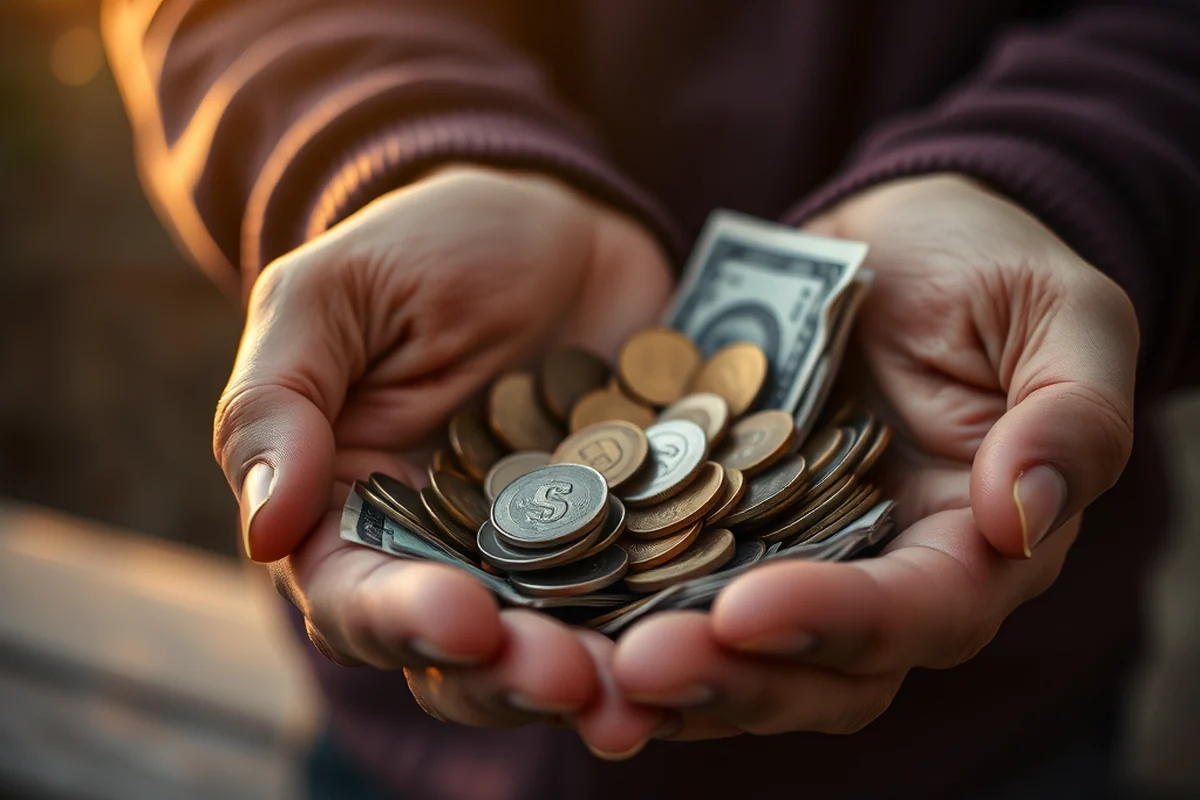
One of the most unexpected benefits of saving money is the freedom it gives you to choose how you live. I used to feel like I was stuck in a job I didn’t like because I didn’t have the financial cushion to leave. Once I had three months’ worth of savings, I realized I could take risks and make changes I had always dreamed of.
This freedom isn’t just about leaving a job; it’s about making daily choices that matter to you. For example, I chose to live in a city with a lower cost of living because I could afford it, which allowed me to save more and enjoy life more fully.
Saving money benefits give you the power to make decisions based on what’s important to you, not just what’s financially necessary. That’s a form of freedom that’s incredibly valuable.
Freedom isn’t just about money — it’s about the choices it allows.
Related: Saving money definition
Reducing Stress Through Financial Planning
Before I started saving money regularly, I was constantly stressed about my finances. I worried about missing a paycheck or unexpected medical bills. Once I had a consistent savings plan in place, that stress started to fade. I felt more in control and less anxious about the future.
Financial planning through saving money benefits creates a buffer that helps you weather life’s surprises. I’ve used my savings for everything from car repairs to unexpected travel expenses, and each time, I was glad I had that safety net.
Reducing financial stress is one of the most underrated benefits of saving money. When you know you can handle life’s unexpected challenges, it gives you peace of mind that’s hard to quantify.
Set up automatic transfers to your savings account each month. This takes the decision out of your hands and ensures consistency.
“I remember the first time I saw my savings account hit $1,000 — it was a quiet moment, but it felt like a huge win.”— Managing Money as a Digital Nomad editors
Related: Saving money budget template
The Power of Compound Interest
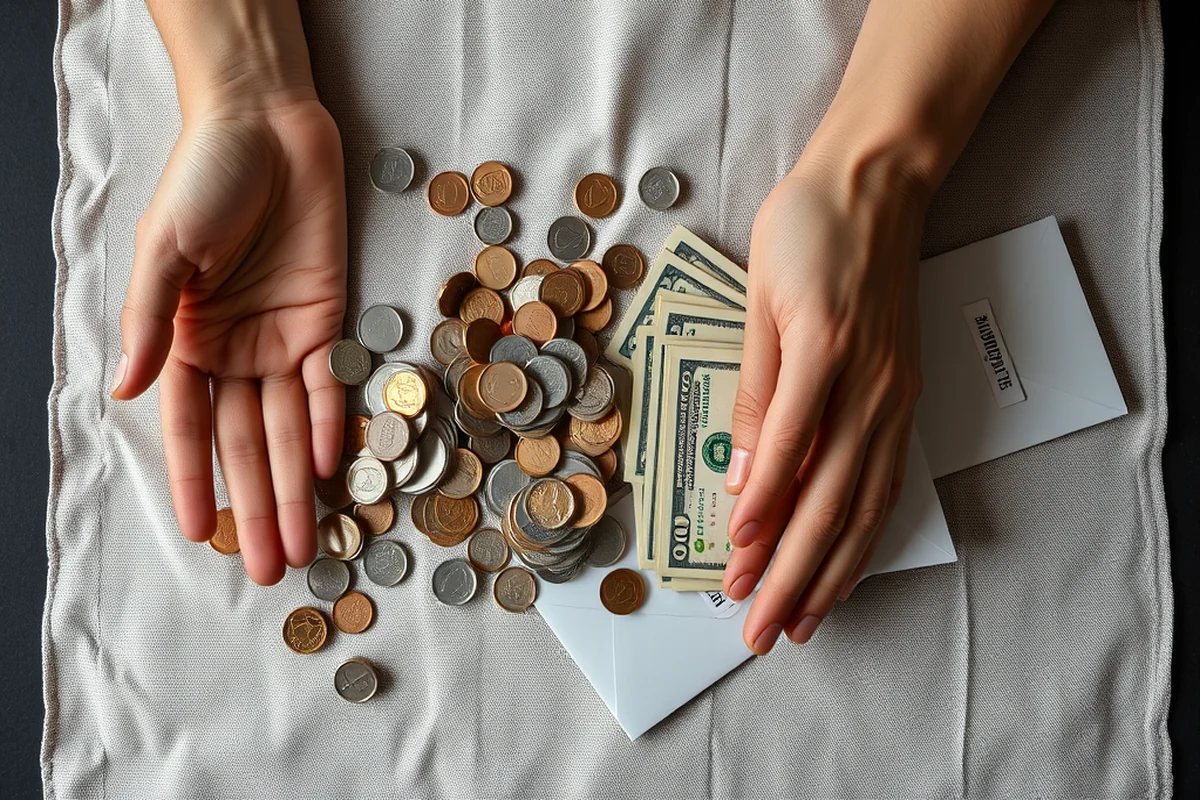
One of the most powerful benefits of saving money is the compound interest it can generate. I didn’t understand how this worked when I first started, but once I realized that my money was earning more money, I became more committed to saving.
The key to compound interest is time. The longer your money stays in a high-yield savings account or investment, the more it can grow. Even small contributions can add up over the years, especially when you’re consistent with your contributions.
I’ve seen this happen in my own savings account. After a few years of regular contributions, the interest alone started to cover a portion of my monthly expenses. That’s the magic of compound interest — it turns small actions into big results over time.
Related: Saving money budget expenses
Investing in Yourself Through Saving
One of the most overlooked benefits of saving money is the ability to invest in yourself. I used my savings to take online courses, attend conferences, and even hire a coach. These investments helped me grow professionally and personally in ways I never imagined.
Investing in yourself through saving money benefits isn’t just about skills — it’s about health and well-being too. I’ve used my savings to pay for gym memberships, therapy sessions, and even a wellness retreat. These investments have paid off in better focus, productivity, and overall happiness.
When you save money, you’re not just preparing for the future; you’re also creating opportunities to grow and improve your life in the present.
Related: Saving money budget
The Unexpected Ways Saving Money Benefits Can Help
One of the most surprising benefits of saving money is the ability to support others without sacrificing your own financial stability. I’ve used my savings to help a friend start a business or support a family member through a difficult time. Knowing I had the resources to help made a huge difference for both of us.
Saving money benefits also allow you to fund dreams and ambitions that might not be immediately profitable. I used my savings to travel to places I had always wanted to go, attend events that inspired me, and take risks that paid off.
The real magic of saving money benefits is that they don’t just help you — they help others, support your goals. Allow you to live a life that’s more aligned with your values.
Saving money isn’t just about you — it’s about creating a better future for everyone around you.
Related: Managing personal budget
Building a Legacy Through Saving
When I think about the long-term benefits of saving money, one of the things that stands out is the ability to leave a financial legacy. Whether it’s for my children, my parents, or even my future self, saving money creates opportunities that can last for generations.
Building a legacy through saving money benefits doesn’t require massive wealth — it’s about making intentional choices now that can have a lasting impact. I’ve started a small investment fund for my future, and it’s already giving me a sense of purpose and direction.
The idea of leaving a legacy through saving money benefits is powerful. It gives you a sense of responsibility and purpose that can guide your financial decisions for years to come.
💰 Tight Budget
Saving money benefits are still possible with a tight budget. Focus on small, consistent contributions and prioritize high-impact savings.
🚀 Aggressive Payoff
If you’re looking to pay off debt quickly, saving money benefits can be part of a broader strategy that includes high-yield savings and smart debt management.
💸 Irregular Income
Even with an irregular income, saving money benefits are achievable. Use tools like the 50/30/20 rule and automate transfers when possible.[3]
👫 Couples
Saving money benefits are stronger when couples work together. Set shared goals and create a plan that both of you can follow.
🌱 Beginner
New to saving money benefits? Start small, be consistent, and use apps or tools that make tracking your progress easier.
| The mistake | Why it happens | The fix |
|---|---|---|
| Not tracking expenses | Without tracking your expenses, it’s difficult to see where your money is going and how you can save more effectively. | Use a budgeting app or a simple spreadsheet to track your spending and identify areas where you can cut back. |
| Trying to save too much too quickly | Setting unrealistic savings goals can lead to burnout and make it harder to stay consistent with your savings plan. | Start with small, achievable goals and gradually increase your savings as your income and habits improve. |
| Ignoring compound interest | Many people don’t understand the power of compound interest, which can significantly grow their savings over time. | Educate yourself on how compound interest works and use high-yield savings accounts to maximize your returns. |
| Relying on willpower alone | Saving money benefits are more likely to be achieved with systems and habits, not just good intentions. | Automate your savings transfers and create a clear, easy-to-follow savings plan that fits your lifestyle. |
Saving Money Benefits
Common Questions
How much should I save each month?
What are the best ways to start saving money?
Can I still save money if I live paycheck to paycheck?
What if I have debt?
References
- A Non-Modeling Exploration of Residential Solar Photovoltaic (PV ... (docs.nlr.gov)
- Building an Emergency Savings Fund (dfi.wa.gov)
- Making a Budget | consumer.gov (consumer.gov)
Cite this guide
Managing Money as a Digital Nomad (2026). Saving Money Benefits. https://budgetrove.com/saving-money-benefits/
Feel free to cite or share this guide.
Digital Nomad Runway Calculator
Calculates digital nomad financial runway from savings, income and costs.
Open it free →