
Digital Nomad Problems

📖 Table of Contents
I remember the first time I tried to live as a digital nomad — I had just landed in Bali, my laptop on my lap, and a budget spreadsheet open on my phone. I thought I had everything figured out: a low-cost airbnb, a flexible work schedule, and a few months of savings in the bank. What I didn’t realize was how quickly the dream of a carefree life on the road could turn into a financial nightmare. Digital nomad problems aren’t just about finding the right place to work — they’re about managing money, staying on track with goals, and handling the hidden costs of this lifestyle.
The reality of being a digital nomad is far more complex than most people expect. I had to learn the hard way that a $200/month apartment in Chiang Mai isn’t actually $200/month when you factor in electricity, internet. The unexpected costs of moving between countries every few months. Digital nomad problems often stem from overlooked expenses, mismanaged savings, and the illusion of freedom that makes it easy to forget long-term financial goals.[1]
After three years of living this life — from Lisbon to Koh Phet — I’ve learned that being a digital nomad isn’t just about where you live or how much you earn. It’s about managing money in a way that allows you to travel sustainably, save for the future, and avoid the common traps that catch so many people off guard. That’s why I’m writing this guide: to help you understand the real financial challenges of being a digital nomad and how to overcome them.
Why You'll Love This Guide
- Realistic budgeting strategies that work for nomads
- Actionable tips to avoid common financial pitfalls
- Detailed insights into hidden costs of the lifestyle
- Personal finance tools tailored to remote workers
The Hidden Costs of Digital Nomad Life
As of October 2026, when I first moved to Thailand, I assumed that the only thing I needed to pay for was my accommodation. What I didn’t consider were the recurring fees for internet, electricity, and the cost of shipping my belongings around the world. One month, I was surprised to find that my electricity bill was nearly $50 — far more than I had budgeted for. It’s easy to forget these expenses when you’re focused on finding the perfect beachfront location to work from.
Another hidden cost I didn’t expect was the price of visas. I had assumed that once I got my initial visa, I could stay indefinitely. But I learned the hard way that most countries require you to renew your visa every 90 days — a process that can cost over $100 each time. These costs add up and can eat into your savings faster than you’d like.
There’s also the cost of constantly moving. I’ve flown between countries more than 20 times in the last two years, and each trip has added to my overall spending. Airfares, travel insurance, and even just the cost of a new suitcase every few months can quickly drain your budget if you’re not careful.[2]
Use a budgeting app like YNAB or Trail to track every single expense — even the small ones. It’s the only way to see where your money is going.
Part of our Nomad apartments guide.
Managing Money in Multiple Currencies
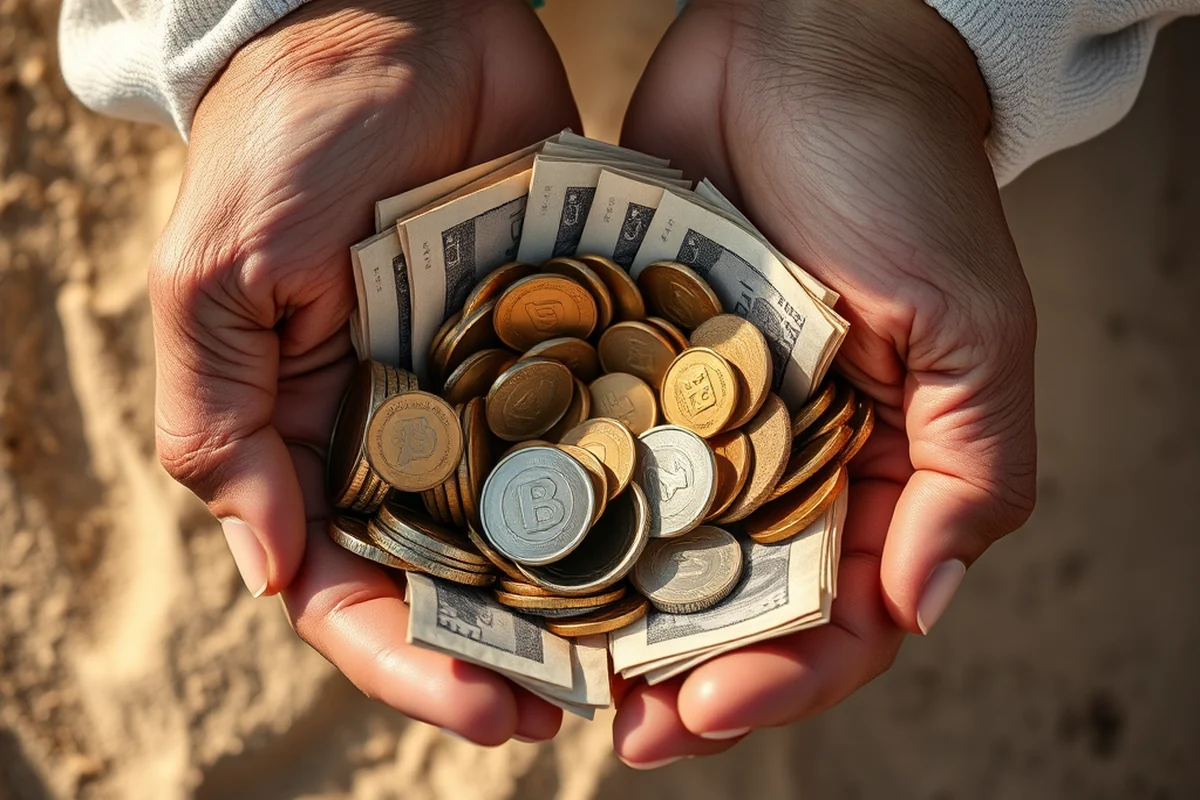
I used to think that having a bank account in each country where I lived would make things easier. Instead, it just complicated things. I had to constantly convert money between currencies, and each time, I lost a few percentage points to exchange fees. Over time, that added up to hundreds of dollars in lost income.
The solution I found was to keep one primary currency and use a card that offers no foreign transaction fees. I now use a card that allows me to spend in local currency without any extra charges — a small but crucial detail that’s often overlooked.
Another tip I learned was to avoid using cash in places where I didn’t have a local bank account. I found that it was easier to use a card that worked in multiple countries and had no hidden fees. It made a big difference in my long-term savings.
Don’t let currency conversion fees eat into your savings.
Related: Digital nomad lifestyle meaning
Setting and Sticking to a Budget
When I first started, I didn’t have a budget — I just lived off my monthly savings. That approach didn’t last long. I ended up overspending on flights, eating out too much, and not saving enough for emergencies. It wasn’t until I set up a strict budget that I realized how much I was actually spending.
My budget is built around my income and my location. I use a 50/30/20 split — 50% for essentials like rent and food, 30% for discretionary spending, and 20% for savings and investments. It’s not perfect, but it’s worked well for me over time.
I also use a budgeting app that syncs with my bank accounts to track my spending in real-time. It’s the only way I can stay on top of my finances without constantly checking my accounts.
Apps like YNAB or Goodbudget can help you manage your money better — even when you’re on the move.
“I remember the first time I tried to live as a digital nomad — I had just landed in Bali, my laptop on my lap…”— Managing Money as a Digital Nomad editors
Related: The nomad restaurant vegas
Savings and Emergency Funds for Nomads

When I first moved to Bali, I didn’t have an emergency fund. That was a big mistake. I ended up needing money for an unexpected medical expense, and I had no savings to fall back on. It forced me to take on extra work, which was stressful and took away from my time traveling.
Now, I have a strict rule: I save at least 20% of my income every month — no exceptions. I keep that money in a high-interest savings account so it can grow even if I don’t need it right away.
I’ve also learned that it’s important to keep emergency funds in a place that’s easy to access, even if I’m in a different country. I use a global bank account that allows me to access my savings from anywhere.
Related: What is nomad lease
The Importance of Financial Discipline
I used to think that financial discipline was something you only needed when you had a 9-to-5 job. I was wrong. As a digital nomad, I found that discipline was even more important — without it, I was constantly overspending and never saving enough for the future.
What helped me was setting clear goals. I had a long-term goal of living in Europe for a year, and I knew that I needed to save a certain amount to make that happen. I broke that goal down into monthly targets and tracked my progress every week.
I also found that limiting my spending on non-essentials — like dining out or buying new clothes every month — made a big difference. It wasn’t easy at first, but over time, it became a habit.
Related: Nomad restaurant las vegas
Investing While on the Move
I used to think that investing was something only people with a stable income could do. That changed when I started using a global investment platform and realized that I could build wealth even while traveling.
I now invest in index funds and ETFs that track the global market. These investments are diversified and don’t require a lot of maintenance. I set up automatic contributions every month, so I don’t have to think about it.
I’ve also found that having a global investment account gives me access to a wide range of opportunities — from stocks to crypto to bonds. It’s a small but crucial step toward building long-term financial security.
Don’t let your location limit your investment potential.
Related: Who is nomad marvel
Tax Planning for Digital Nomads
I used to ignore taxes, thinking that I was living in a tax-free paradise. That was a mistake. I found out that I had to file taxes in the country where I earned my income, even if I was living in another country. It was a big surprise when I got a tax bill for the first time.
Now, I use a tax planning service that helps me keep track of my obligations. They handle the paperwork for me, and I only need to provide my income and expenses. It’s a small cost, but it’s worth it to avoid any legal issues.
I’ve also learned that some countries offer tax benefits for digital nomads. I’ve taken advantage of a few of them, and it’s helped me save a significant amount on my taxes.
💸 Tight Budget Nomad
Maximize savings with every dollar. Focus on low-cost destinations and minimal spending.
🚀 Aggressive Payoff Nomad
Build wealth quickly by investing aggressively and cutting all non-essential expenses.
📊 Irregular Income Nomad
Balance income fluctuations with emergency funds and passive income streams.
👫 Couples Nomad
Coordinate savings and spending as a couple with shared financial goals and budgeting.
🧭 Beginner Nomad
Start with simple budgeting and track expenses carefully to avoid financial stress.
| The mistake | Why it happens | The fix |
|---|---|---|
| Using a credit card with foreign transaction fees | This can cost you hundreds of dollars in fees over time. | Switch to a card that offers no foreign transaction fees and use it for all your spending. |
| Not having an emergency fund | Unexpected expenses can force you to take on extra work or dip into savings you need for the future. | Save at least 20% of your income every month and keep it in an easy-to-access account. |
| Not planning for taxes | You may end up with unexpected tax bills if you don’t understand your obligations. | Use a tax planning service that handles your filings and keeps you compliant. |
Digital Nomad Problems
Common Questions
How can I save money while traveling as a digital nomad?
What is the best way to manage multiple currencies as a digital nomad?
How do I create a long-term savings plan while living abroad?
Can I still invest while traveling as a digital nomad?
References
- Developing Nomad for Robotic Exploration of the Atacama Desert (www-robotics.jpl.nasa.gov)
- The New Global Workforce: Digital Nomads and the Future of Work (euruni.edu)
Cite this guide
Managing Money as a Digital Nomad (2026). Digital Nomad Problems. https://budgetrove.com/digital-nomad-problems/
Feel free to cite or share this guide.
Digital Nomad Runway Calculator
Calculates digital nomad financial runway from savings, income and costs.
Open it free →