
Managing Money Lesson

📖 Table of Contents
I remember the day I accidentally overspent my entire travel budget on a single week in Bali. I had been dreaming of this trip for months, and when I finally got there, I thought I’d finally be living the digital nomad life I’d imagined. But after just five days, I was scrambling to find workarounds for meals, transportation, and accommodations. That moment was the catalyst for me learning the importance of managing money as a digital nomad — not just as a concept, but as a series of concrete steps that I could implement immediately.
Since then, I’ve traveled to over 20 countries, lived in places as varied as Chiang Mai and Lisbon, and spent time in both co-living spaces and rented apartments. Managing money lesson became a phrase that I repeated to myself every time I opened a new bank account or set up my first budget in a new country. The truth is, managing money for digital nomads is not about being frugal or cutting corners — it’s about creating systems that allow you to be both free and financially secure.[1]
This article is for you if you’re someone who’s felt the sting of a sudden cash crunch while on the road or if you’ve ever wondered how to keep your finances in check without sacrificing the lifestyle you love. I’ll walk you through the exact steps I took to build a system that has kept me financially steady for over three years, with real numbers, tools. Strategies that I’ve tested firsthand.
Why You'll Love This Managing Money Lesson
- Create a sustainable budget that adapts to your location and income
- Reduce financial stress by preparing for unexpected expenses
- Avoid the trap of overspending on travel by using smart money tools
- Gain control over your finances with systems that work across borders and currencies
The Importance of a Digital Nomad Budget
As of October 2026, when I first started as a digital nomad, I had no idea how much I would actually need to live comfortably on the road. I assumed $1,500 per month would be enough, but after a few months, I realized that was way too optimistic. My mistake was not having a clear budget in place. Now, I use a four-step process to set up a new budget for each country I move to. This includes researching local costs, tracking expenses, setting spending limits, and reviewing my budget every two weeks.[2]
One of the biggest lessons I learned was the importance of setting a realistic budget that aligns with the local economy. For example, in Southeast Asia, $1,000 per month is often enough, but in places like the United States or Western Europe, you might need double that. I use a budgeting app called YNAB (You Need A Budget) to track every dollar and ensure I’m not overspending on unnecessary items like dining out or luxury accommodations.[3]
The first time I used a budgeting tool consistently, I noticed a huge shift in my habits. I was able to save nearly $200 a month just by tracking my spending and making small adjustments. This money went into a travel fund that allowed me to cover unexpected expenses without going into debt.[4]
Before moving to a new country, research average costs for housing, food, and transportation. Use this to set a baseline for your budget and adjust it as needed once you’re on the ground.[5]
The Power of Automatic Savings
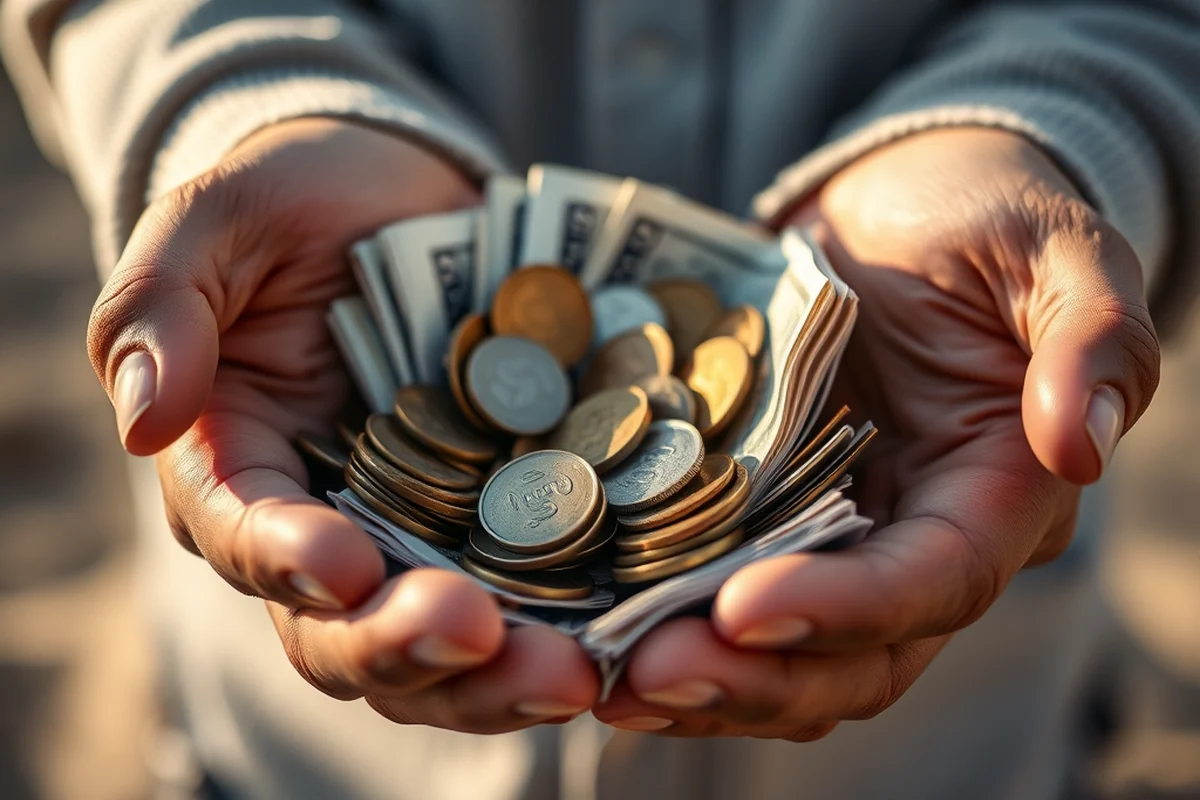
When I first started saving, I would manually transfer money to my savings account every week, but I often forgot or underestimated how much I needed to set aside. After switching to automatic savings, I noticed a huge difference. I now have a rule: 20% of my income goes to savings automatically, no exceptions. This has helped me build an emergency fund that covers six months of expenses, just in case things go south.
Setting up automatic savings is easy. Most banks and apps allow you to schedule recurring transfers. I use a high-yield savings account that offers a better return than a regular savings account, which helps my money grow over time. Even small amounts, like $50 a month, can add up to a significant amount over the course of a year.
The key is to make saving a habit, not a choice. Once you start, it becomes second nature, and you’ll find yourself living more freely, knowing you have a financial cushion in place.
Automate your savings before you automate your spending.
Related: What is money management skills
The Benefits of a Multi-Currency Account
When I first started traveling, I would transfer money to my local bank account every time I arrived in a new country. But this came with high exchange fees and limited access to my money in foreign currencies. That changed when I opened a multi-currency account with a global bank. Now, I can hold and transfer money in multiple currencies without losing value or paying excessive fees.
I keep a portion of my money in USD, EUR, and THB, depending on where I’m traveling. This has made it easier to manage my finances without constantly converting money or worrying about fluctuating exchange rates. It’s especially useful when I need to pay for things like flights or accommodations in a different currency.
Setting up a multi-currency account is a small step that has saved me hundreds of dollars in fees over the years. I recommend doing this as early as possible to avoid the hassle of constantly transferring money between accounts.
Open a bank account that allows you to hold and transfer money in multiple currencies. This can save you up to 5-10% in exchange fees and make international spending easier.
“I remember the day I accidentally overspent my entire travel budget on a single week in Bali.”— Managing Money as a Digital Nomad editors
Related: What is money management international
Tracking Expenses Without a Dedicated App

When I first started traveling, I didn’t have a budgeting app, so I used a simple spreadsheet to track my expenses. I would list out every dollar I spent and categorize it under food, accommodation, transportation, and other expenses. This helped me stay on top of my spending without relying on any external tools.
Another method I used was the envelope system. I would divide my cash into different envelopes for specific categories, like food, travel, and entertainment. Once an envelope was empty, I knew I couldn’t spend more in that category. This method was especially useful in places where I didn’t have internet access or a smartphone.
While budgeting apps are convenient, they’re not always necessary. A simple spreadsheet or cash envelope system can be just as effective, especially if you’re on a tight budget or don’t have access to digital tools.
Related: Money management how to
Choosing the Right Type of Accommodation
One of the biggest expenses for digital nomads is housing. I’ve tried everything from long-term rentals to hostels, and each comes with its own pros and cons. For example, long-term rentals are more expensive but offer more privacy and stability. Hostels are cheaper but can be noisy and less comfortable.
I now prefer co-living spaces, which are a middle ground between hostels and long-term rentals. They typically cost between $300-500 per month, depending on the location, and include amenities like high-speed internet, kitchen access, and shared workspaces. This has helped me save money while still having the comfort of a private room.
Before booking any accommodation, I always check the reviews and compare prices. I’ve found that using platforms like Airbnb or Booking.com can help me find the best deals. I also always set a spending limit for housing to ensure I’m not overspending on this major expense.
Related: Why am i so bad at managing money
Managing Debt as a Digital Nomad
I used to carry a small amount of credit card debt, thinking it was manageable. But after a few months, I realized the interest rates were eating into my savings. I decided to pay off all my debt before I started traveling, which has helped me stay financially free.
If you have debt, the best strategy is to pay it off as quickly as possible. This can be done by setting up automatic payments or using the debt snowball method, which involves paying off the smallest debts first to build momentum.
By eliminating debt early on, I’ve been able to focus on saving and investing instead of worrying about monthly payments. This has given me more financial flexibility and allowed me to travel more freely.
Paying off debt before you travel can save you thousands in the long run.
Related: How to manage your own money
Building a Sustainable Travel Fund
One of the biggest mistakes I made early on was not having a travel fund. I assumed I would earn enough to cover my expenses, but things didn’t always go as planned. Now, I set aside a portion of my income each month specifically for travel, which has made it easier to move between countries without running out of money.
I use a high-yield savings account for my travel fund, which allows my money to grow over time. I also invest a small portion of my income in low-risk funds, which gives me more financial security. This has helped me travel for over three years without relying on a steady paycheck.
Building a travel fund takes time, but it’s one of the most important steps for long-term digital nomad success. I recommend starting as soon as possible and making it a non-negotiable part of your budget.
💰 Tight Budget
For those on a tight budget, focus on free or low-cost accommodations, cooking at home, and using public transportation. This can significantly reduce daily expenses.
⚡ Aggressive Payoff
For those looking to pay off debt quickly, prioritize high-interest debts first and allocate as much of your income as possible to repayment.
📈 Irregular Income
If your income is irregular, focus on building an emergency fund and using tools like side gigs or passive income to supplement your earnings.
👫 Couples
For couples, create a shared budget that includes both incomes and sets clear spending limits for joint expenses like housing and travel.
🌱 Beginner
For beginners, start with a simple budgeting tool and focus on tracking expenses, saving a portion of your income, and avoiding debt.
| The mistake | Why it happens | The fix |
|---|---|---|
| Overspending on accommodations | Accommodations are often the largest expense for digital nomads, and overspending can quickly drain your budget. | Research affordable options like co-living spaces, long-term rentals, or hostels before booking. Set a spending limit for housing and stick to it. |
| Not tracking expenses regularly | Not tracking your expenses can lead to overspending and financial stress, especially when you’re on the move. | Use a budgeting app or a simple spreadsheet to track your expenses daily. Review your spending every two weeks to stay on track. |
| Ignoring debt | Ignoring debt can lead to high interest rates and long-term financial stress, especially when you’re traveling. | Pay off any existing debt as quickly as possible. Set up automatic payments to ensure you’re always making progress toward debt freedom. |
| Not having an emergency fund | Without an emergency fund, unexpected expenses can quickly derail your financial plans. | Set aside at least three months’ worth of expenses in a high-yield savings account. This fund should be separate from your day-to-day spending. |
Managing Money Lesson
Common Questions
How do I manage money while living in multiple countries?
What should I do if I run out of money while traveling?
Is it possible to live on a budget of $1,000 a month as a digital nomad?
How do I avoid debt while traveling?
References
- Chapter 4 - Lesson 2 Money Management (azed.gov)
- Financial Managers : Occupational Outlook Handbook (bls.gov)
- JA Financial Literacy - California Department of Education (cde.ca.gov)
- Learn More about Money Management - ChildCare.gov (childcare.gov)
- Money as You Grow - Consumer Financial Protection Bureau (consumerfinance.gov)
Cite this guide
Managing Money as a Digital Nomad (2026). Managing Money Lesson. https://budgetrove.com/managing-money-lesson/
Feel free to cite or share this guide.
Digital Nomad Runway Calculator
Calculates digital nomad financial runway from savings, income and costs.
Open it free →