
Saving Money Vs Earning More
📖 Table of Contents
- The Mindset Shift: Saving Versus Earning
- The Power of Compounding: Saving and Earning Together
- Why Saving Alone Might Not Be Enough
- The Risks of Earning More Without a Plan
- Finding the Right Balance for Your Lifestyle
- The Role of Discipline in Both Strategies
- The Long-Term Benefits of Both Strategies
- Make It Your Way
- Frequently Asked Questions
I remember the first time I realized that saving money might not be the only path to financial freedom. I was in a small seaside town in Portugal, living on a tight budget, and I watched a fellow digital nomad spend six hours a day hustling freelance gigs for extra income. That moment made me question the old adage: was it better to save more or earn more? I've tried both approaches, and now I can confidently say that the answer isn't one-size-fits-all. It's more about aligning your strategy with your lifestyle, goals, and personality.[1]
When I was first starting out as a digital nomad, I focused almost entirely on cutting costs—skimping on meals, staying in hostels, and avoiding travel altogether. But after a few months, I found myself mentally exhausted and unable to focus on my work. It wasn't until I started earning more through side gigs and investing in myself that I felt truly in control of my finances. This shift in mindset taught me that saving money and earning more are not mutually exclusive—they can work together, but only if you understand how to balance them.
Today, I see many digital nomads still stuck in the trap of believing that saving is always better, or that earning more is the only way to be financially secure. But the truth is, the best strategy depends on your unique situation. Whether you're just starting out, you're in the middle of your journey, or you're looking to scale up, understanding the pros and cons of saving money versus earning more can help you build a sustainable, stress-free financial plan that works for you.
Why You'll Love This Article
- Real-world insights from a digital nomad who has tested both saving and earning strategies.
- Clear, actionable tips that work for different lifestyles and goals.
- Concrete examples and statistics that make the advice relatable and effective.
- A structured approach to help you decide which path is best for you.
The Mindset Shift: Saving Versus Earning
As of August 2026, many digital nomads believe that saving is the only way to build wealth. But that's a narrow view. Earning more can help you reach your goals faster, but it requires a different mindset. I used to think saving was the only way to be safe, but once I started earning more through side gigs, I realized I had more options. It's not about choosing one or the other—it's about figuring out which one fits your situation.
Saving money is about controlling your expenses and building a cushion for the future. Earning more is about increasing your income and taking control of your financial trajectory. Both are valuable, but they work differently. If you're just starting out, saving might be more practical. If you're looking to accelerate your growth, earning more could be the way to go.
The key is understanding the trade-offs. Saving takes discipline and consistency, while earning more takes hustle and strategy. I've found that combining both can create a powerful financial foundation. It's not about choosing one over the other—it's about finding the right balance for your unique journey.
Whether you're saving or earning, start with small, manageable steps and build from there. Consistency is more important than intensity.
Part of our Saving money apartment guide.
The Power of Compounding: Saving and Earning Together
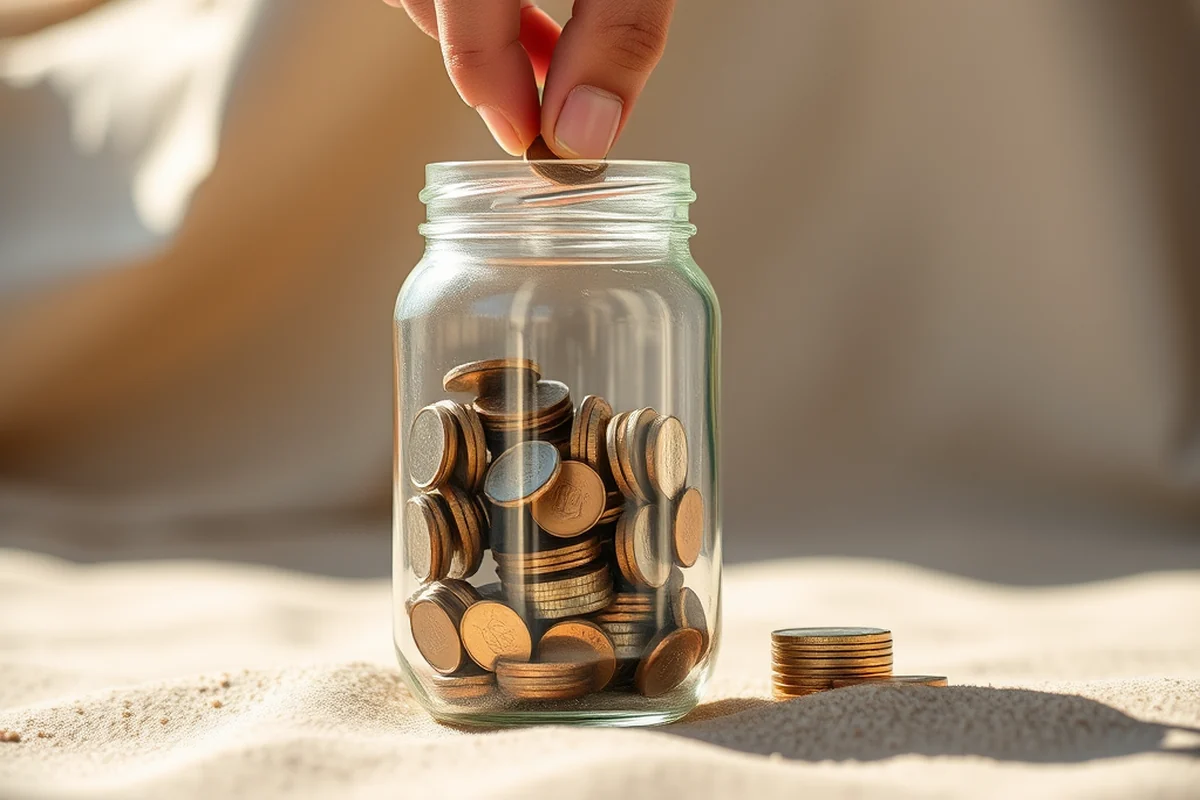
I've seen the power of compounding firsthand. When I started saving 20% of my income and earning more through side projects, my financial growth accelerated in ways I hadn't anticipated. Compounding isn't just about money in the bank—it's about how much you can earn from what you've already saved and earned.
For example, if I saved $100 a week and earned an additional $200 through freelancing, that $300 was working for me even when I wasn't actively working. Over time, that money earned more money. I've found that the more you save, the more you can invest, and the more you earn, the more you can save. It's a cycle that, when done right, can create real financial freedom. (10 percent, ssa.gov)[2]
The key to compounding is patience and planning. It's not about making huge decisions—it's about making small, consistent choices that add up over time. Whether you're saving or earning, the goal is to build a system that works for you and helps you reach your financial goals.
Compounding is the secret sauce of financial freedom.
Related: What to do to start saving money
Related: What to do with saving money
Related: Saving money vs investing
Related: Saving money as gold
Related: Saving Money Bible Verse
Related: Saving money with
Why Saving Alone Might Not Be Enough
I once tried to live entirely on savings, and it didn't last long. Without a steady income, I found myself constantly running out of money and having to dip into my savings just to survive. Saving is a great tool, but it's not a substitute for earning. I've learned that relying solely on savings can be risky, especially if you're living a nomadic lifestyle with fluctuating income.
When I moved to Bali and started living off savings alone, I quickly realized that my savings weren't enough to cover unexpected expenses like medical bills or travel costs. I had to go back to earning, and that taught me a valuable lesson: saving is important, but it's not the only piece of the puzzle.
The lesson here is that saving alone is not a long-term solution. If you're planning to live a nomadic lifestyle, you need to build a system that includes both saving and earning. That way, you're not just relying on one income source—you're building a financial safety net that can handle the ups and downs of life on the road.
Don't rely on one income source. Diversify your earnings to protect yourself from financial shocks.
“I remember the first time I realized that saving money might not be the only path to financial freedom.”— Managing Money as a Digital Nomad editors
Related: How much money saving account
Related: What are saving money
Related: Saving money without investment
Related: Saving money for kids future
The Risks of Earning More Without a Plan
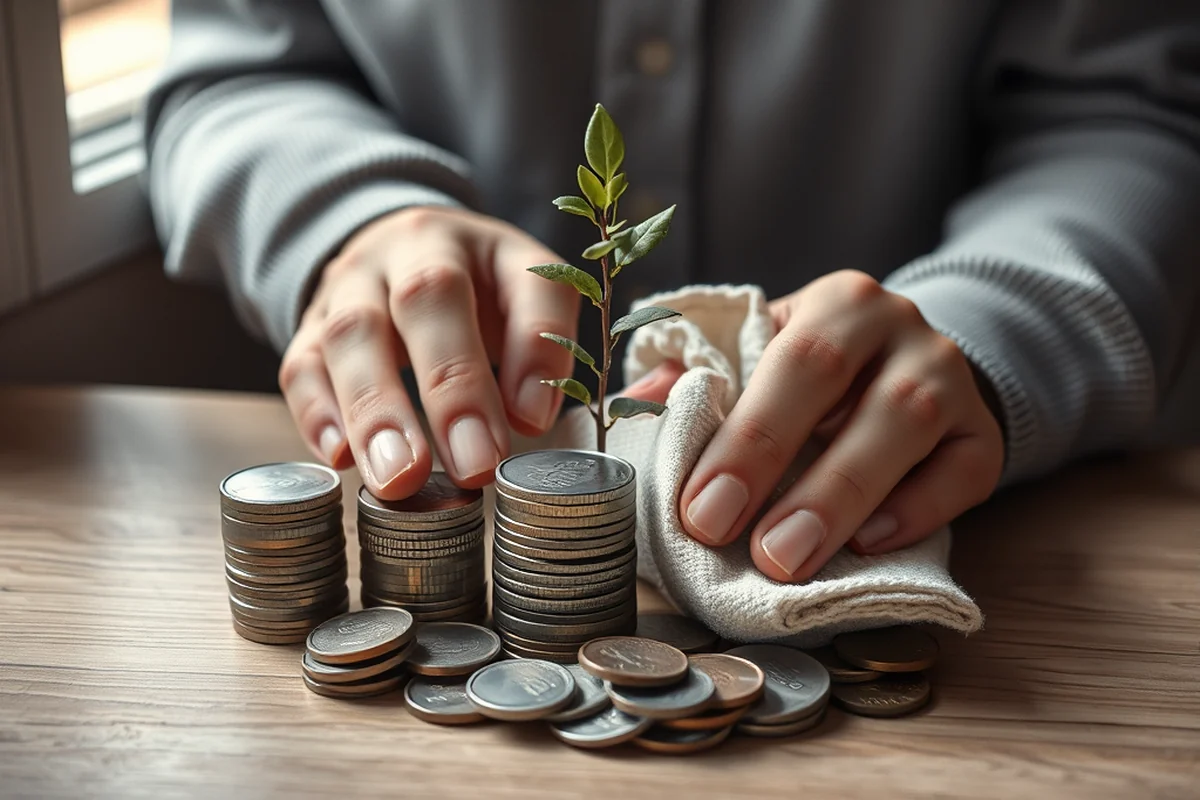
I've seen many digital nomads fall into the trap of earning more without a clear plan. They take on too many side gigs, work long hours, and end up burned out and financially drained. It's a common mistake to think that more income is always better, but without a plan, it can lead to stress and instability.
When I first started earning more through freelancing, I took on too many projects and ended up working 80 hours a week. I was making more money, but I was also overworked, and my health suffered. It wasn't until I realized that I needed a balance between earning and rest that I could sustain my income without burning myself out.
The key is to set boundaries and create a system that allows you to earn more without sacrificing your well-being. Whether you're saving or earning, you need to have a strategy that works for your lifestyle and goals.
Related: Saving money without lifestyle changes
Related: Saving money for kids reddit
Finding the Right Balance for Your Lifestyle
Everyone's financial journey is different, and the right balance between saving and earning will vary depending on your lifestyle and goals. If you're a digital nomad who travels a lot and has a high cost of living, saving might not be enough. If you're looking to build long-term wealth, earning more could be the key.
I've found that the best way to find the right balance is to experiment. Try saving for a few months, then see how much you can earn on the side. Over time, you'll get a better sense of what works for you. It's not about finding the perfect solution—it's about finding what works for your unique situation.
The key is to stay flexible and adjust your strategy as needed. Whether you're saving or earning, the goal is to create a financial plan that supports your lifestyle and helps you reach your long-term goals.
Related: Saving money without a goal
Related: What is saving money important
The Role of Discipline in Both Strategies
Whether you're saving or earning, discipline is the key to success. I've found that the most successful digital nomads are the ones who have the discipline to stick to their financial plans, whether that means saving consistently or earning more through hustle.
Discipline isn't just about money—it's about habits, routines, and mindset. It's about making small, consistent choices that add up over time. For me, that meant setting a budget, tracking my expenses, and setting aside time each week to focus on earning.
The most important thing I've learned is that discipline is the foundation of both saving and earning. Without it, even the best strategies can fail. It's not about having the perfect plan—it's about having the discipline to stick to it.
Discipline is the bridge between goals and results.
Related: Saving money as a group
Related: Saving money as a kid
The Long-Term Benefits of Both Strategies
Both saving and earning have long-term benefits, but they work in different ways. Saving builds a financial cushion that can help you weather unexpected challenges, while earning more can help you grow your wealth and achieve your goals faster.
When I started saving consistently, I was able to build a safety net that gave me peace of mind. But when I started earning more through side gigs, I realized I could reach my financial goals faster. The combination of both strategies gave me the best of both worlds.
The key is to understand the long-term impact of both strategies and choose the one that aligns with your goals. Whether you're saving or earning, the goal is to build a financial plan that works for your lifestyle and helps you achieve your dreams.
💰 Tight Budget Strategy
This strategy is perfect for those on a tight budget who want to maximize savings without sacrificing their lifestyle.
🚀 Aggressive Payoff Strategy
This strategy is ideal for those who want to accelerate their financial goals and build wealth quickly.
📈 Irregular Income Strategy
This strategy works well for those with irregular income, helping them manage their finances effectively.
👫 Couples Strategy
This strategy is designed for couples who want to build a shared financial future together.
🧭 Beginner Strategy
A simple, beginner-friendly strategy that helps new digital nomads get started with their financial journey.
| The mistake | Why it happens | The fix |
|---|---|---|
| Ignoring the importance of discipline | Without discipline, even the best strategies can fail. It's easy to slip back into old habits if you're not consistent. | Create a routine and stick to it. Use tools like budgeting apps to help you stay on track. |
| Relying solely on savings | Depending only on savings can leave you vulnerable to unexpected expenses and financial shocks. | Diversify your income streams and build a system that includes both saving and earning. |
| Working too much without rest | Overworking can lead to burnout and negatively impact your health and productivity. | Set clear boundaries and make time for rest. It's important to maintain a healthy work-life balance. |
| Not tracking your finances | Not tracking your income and expenses can lead to overspending and poor financial decisions. | Use budgeting apps or spreadsheets to track your money and stay informed about your financial situation. |
Saving Money Vs Earning More
Common Questions
How much should I save each month as a digital nomad?
Can I earn more without sacrificing my quality of life?
How can I track my savings and earnings effectively?
What are the best ways to earn extra income as a digital nomad?
References
Cite this guide
Managing Money as a Digital Nomad (2026). Saving Money Vs Earning More. https://budgetrove.com/saving-money-vs-earning-more/
Feel free to cite or share this guide.